

การออกกำลังกาย Crutches 2026: วิธีการปรับปรุงความแข็งแรงหลังการผ่าตัดเข่า
เวลา : 20 เมษายน 2026 ครั้งที่เข้าดู : 1,343
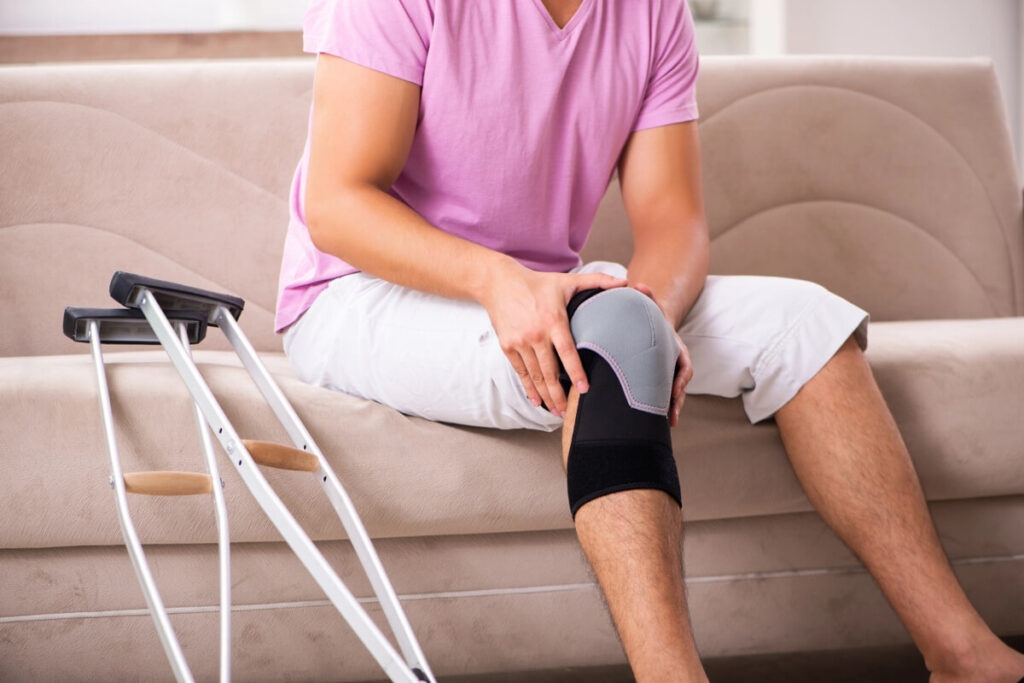
เครื่องตัดมีมากกว่าเพียงแค่การบรรเทาจากความดันในเข่าที่รักษา พวกเขายังช่วยให้ผู้ป่วยยังคงทํางาน ได้รับความไว้วางใจในขั้นตอนของพวกเขา และช่วยสร้างความแข็งแรงที่ปลอดภัยในระยะเวลาการฟื้นฟูแรกหลังการผ เพื่อใช้พวกเขาอย่างดีในโครงการฟื้นฟูในปี 2026 คุณต้องเข้าใจว่ามันเชื่อมต่อกับเดินทางการรักษาโดยรวม
ความเข้าใจบทบาทของ Crutches ในการฟื้นฟูหลังการผ่าตัดเข่า
การรักษาจากการผ่าตัดเข่าต้องการความอดทน ความพยายามอย่างต่อเนื่อง และเครื่องมือฟื้นฟูที่เหมาะสม ในหมู่ผู้ช่วยที่สำคัญในเวลานี้ชุดที่ดีของ แท่ง โดดเด่น อุปกรณ์เหล่านี้ไม่เพียง แต่ช่วยซ่อมแซมร่างกายของคุณ แต่ยังนำความเชื่อในการเคลื่อนที่รอบ ๆ
ความสำคัญของการสนับสนุนที่เหมาะสมในระหว่างการฟื้นฟู
หลังการผ่าตัด พื้นที่เข่าของคุณยังคงอ่อนไอต่อภาระเพิ่มเติมใด ๆ เครื่องดึงเป็นหน้าที่สําคัญในการรักษาจุดดำเนินการ และหลีกเลี่ยงการดึงเนื้อเยื่อที่กำลังซ่อมแซมมากเกินไป เมื่อคุณเปลี่ยนน้ำหนักของคุณจากขาไปยังร่างกายด้านบน มันลดภาระบนขาที่ได้รับการรักษา และลดปัญหาเช่น การบวมหรือการจัดตำแหน่งที่ไม่ดี
การใช้ตะแกรงขวายังช่วยในการรักษาความสมดุลและความมั่นคง ซึ่งลดโอกาสของการลื่นที่อาจยกเลิกการผ่าตัดของคุณ นักบำบัดมักจะแนะนำให้ช้าๆ เพิ่มน้ำหนักบนขา-เริ่มต้นด้วยความช่วยเหลือบางอย่างก่อนที่จะมุ่งเน้นไปที่จะไม่มีช่วยเหลือ-เพื่อสร้างพลังกล้ามเนื้อและการทํางานทีมที่คมชัดระหว่างส่
ประเภทของเครื่องช่วยเดินที่ใช้หลังการผ่าตัดเข่า
การสนับสนุนการเดินที่แตกต่างกันมีขึ้นอยู่กับขั้นตอนการรักษาของคุณ และคุณสามารถเคลื่อนไหวได้อย่างดีแค่ไหน แขนพื้นฐานมักจะเข้าสู่การเล่นหลังจากการผ่าตัดเพื่อการสนับสนุนเต็ม แขนหรือแขนที่ใช้งานง่าย เช่น อลูมิเนียม Underarm แพทย์ Crutch XY-925 ให้คำแนะนำท่างที่แข็งแกร่งและแพร่กระจายโหลดเท่าเทียมกันในแขนและข้อมือ คอร์ทนี้มีที่จับมืออ่อนแข็งและแข็งแรง และเพลาอลูมิเนียม anodized ที่มีเท้ายางที่แข็ง
สําหรับผู้ที่ต้องการความมั่นคงเพิ่มเติม ไม้หรือผู้เดินอาจเข้าสู่ภาพในภายหลังในการรักษา การเลือกจากเครื่องมือเหล่านี้ขึ้นอยู่กับสิ่งที่เช่น พลังแขน ทักษะความสมดุล และความแข็งแรงทั่วไป นักบำบัดของคุณจะตรวจสอบองค์ประกอบเหล่านี้ก่อน เพื่อแนะนำทางเลือกที่ดีที่สุดสำหรับความต้องการของคุณ
การเลือกที่ดีที่สุดหลังการผ่าตัดเข่า
การเลือกแท่งการออกกำลังกายที่ตรงกับสภาพร่างกายของคุณเป็นสิ่งสำคัญสําหรับการรักษาที่ปลอดภัย สไตล์ที่เหมาะสมช่วยเพิ่มความสะดวกในการตัดความเมื่อยล้าจากการประชุมที่ยาวนาน
ปัจจัยที่ต้องพิจารณาเมื่อเลือก Crutches ออกกำลังกาย
ตามที่คุณเลือก เครื่องช่วยเดินให้ความสนใจกับ จำกัด การโหลด การเปลี่ยนแปลงความสูง และคุณสมบัติการสร้างที่ใช้งานง่าย สิ่งเบาเช่นอลูมิเนียมช่วยเพิ่มความสะดวกในการจัดการ โดยไม่สูญเสียพลังงานสนับสนุน ที่จับรูปร่างสะดวกสบายลดความเจ็บปวดข้อมือในระหว่างการดึงออกเป็นจุดสำคัญเมื่อคุณอาศัยความแข็งแรงของแขนมากในการเดินทาง ฝาครอบอ่อนบนจุดและจุดใต้แขนหยุดความเจ็บปวดจากพื้นที่กดที่คงที่ การปรับความสูงให้แน่ใจว่ามีการจัดเรียงที่ดีระหว่างไหล่, ข้อศอกและข้อมือ - กุญแจสําหรับการยึดรูปแบบที่ดีในขณะที่ก้าว
การประเมินนวัตกรรมการออกแบบในรุ่น Crutch ปี 2026
รูปแบบใหม่กว่านี้เน้นทั้งความปลอดภัยและเทคโนโลยีเพิ่มเติม ประเภทปัจจุบันมีเท้าที่อ่อนต่อการกระแทก ที่อ่อนต่อการลงที่แต่ละก้าว ลดการสั่นสะเทือนผ่านการเชื่อมโยงของร่างกาย การเปลี่ยนแปลงได้ช่วยให้ผู้ใช้ปรับตัวเลือกที่ง่ายดายโดยไม่มีปัญหาน้อย
ผู้ผลิตที่มีความคิดล่วงหน้ากำลังทดสอบลิงค์อุปกรณ์สมาร์ทเพื่อติดตามความก้าวหน้าของการเคลื่อนไหว ช่วยแพทย์ในการดูรูปแบบขั้นตอนจากไกล ความก้าวหน้าในสิ่งเช่น คาร์บอนไฟเบอร์ ได้สร้างเครื่องมือที่มีน้ำหนักน้อยกว่า แต่มีอายุนานกว่า ช่วยลดความเมื่อยล้าของผู้ใช้ ขณะที่สร้างความไว้วางใ
สร้างความแข็งแรงอย่างปลอดภัยขณะที่ใช้ Crutches
การจัดการ crutches ดีมากกว่าเพียงแค่การจับขึ้นมันเกี่ยวข้องกับการเติบโตพลังกล้ามเนื้ออย่างปลอดภัยเล็กน้อย
การออกกำลังกายแบริ่งน้ำหนักที่ก้าวหน้าด้วย Crutches
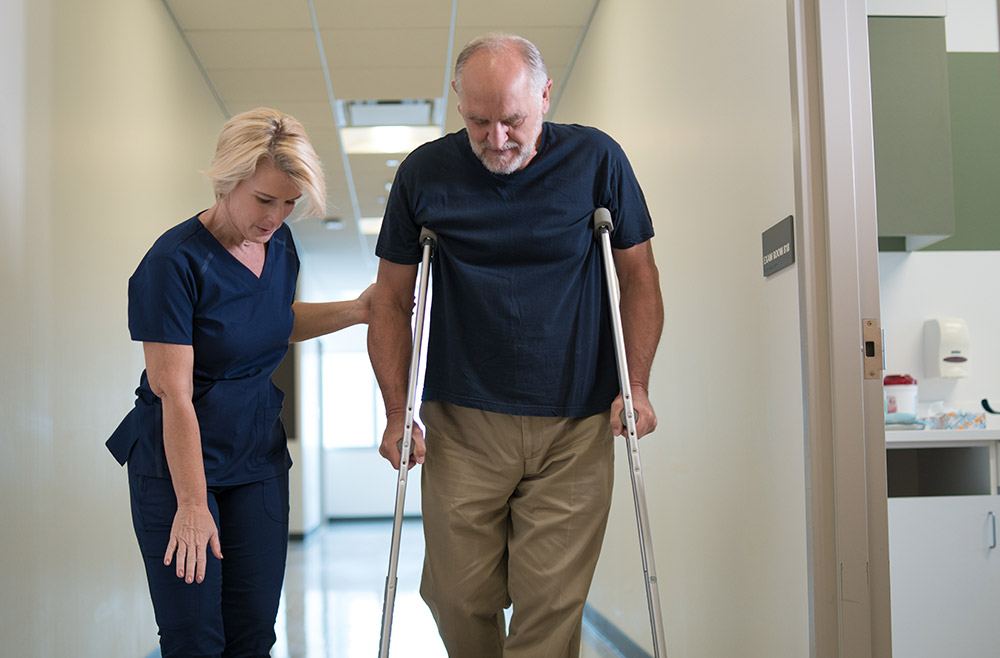
นักบำบัดของคุณจะนําคุณผ่านการออกกำลังกายขั้นตอนโดยขั้นตอนที่มีวัตถุประสงค์ที่จะนํากลับงานเข่าช้า ๆ เริ่มต้นด้วยขั้นตอนการบรรทุกเบาที่เพียงส่วนหนึ่งของน้ำหนักของคุณนั่งอยู่บนขาที่บาดเจ็บ โดยใช้ทั้งสองตัวเพื่อความช่วยเหลือ เมื่อการซ่อมแซมเคลื่อนไหวไปตาม การออกกำลังกายดัดและยืดได้อย่างต่อเนื่อง จะเพิ่มการดัดข้อต่อ โดยไม่ผลักเนื้อเยื่อมากเกินไป ในเวลาที่ผ่านมา คุณจะเปลี่ยนจาก 2 ตัว ไปเป็น 1 ตัว เมื่อความมั่นคงเติบโต ขั้นตอนใหญ่ที่แสดงให้เห็นว่าคุณพร้อมที่จะฝึกฝนการเคลื่อนไหวท
การออกกำลังกายบนร่างกายเพื่อสนับสนุนความอิสระในการเคลื่อนไหว
แขนที่แข็งแกร่ง ไหล่ และกล้ามเนื้อกลางทําให้การจัดการก้านได้ง่ายขึ้น
การประชุมความต้านทานวงสำหรับกล้ามเนื้อหลังแขนและไหล่ด้านข้างเพิ่มพลังงานที่จําเป็นสำหรับการเพิ่มน้ำหนักของร่างกาย มักจะเป็นรูปแบบขั้นต การผลักดันแขนที่ใช้เก้าอี้บนจุดที่แข็งแรงยังสร้างความแข็งแรงของไหล่ - สําคัญสําหรับการเปลี่ยนขั้นตอนอย่างคงที่ การทำงานกลางผ่านการบีบเก้าอี้ที่อ่อนโยนช่วยเพิ่มการควบคุมรูปแบบในระหว่างการเดินที่ช่วยเหลือ การเพิ่มการปฏิบัติการที่มั่นคงช่วยเพิ่มความเชื่อมโยงระหว่างการกระทําบนและล่างของร่างกาย ซึ่งจําเป็นสําหรับการเรียนรู้อีกคร
การเพิ่มประสิทธิภาพการกู้คืนด้วยเทคนิคและวิธีการที่เหมาะสม
วิธีการที่คงที่ใช้รูปร่างผลการรักษาเมื่อทำงานกับเครื่องช่วยเดินหลังการผ่าตัดเข่า
รูปแบบเดินที่ถูกต้องด้วย Crutches
รักษาตำแหน่งตรงหลังเสมอ เพื่อหลีกเลี่ยงการดึงกระดูกสันหลังของคุณในขณะที่เคลื่อนไหว ก้าวหน้าแต่ละ crutch ในเวลาเดียวกันกับขาที่หันหน้า เพื่อสร้างการเต้นที่ราบรื่นที่คัดลอกวิธีการขั้นตอนปกติ ห่างจากการเอียงมากเกินไปหรือยืดไปข้างหน้า นี้ช่วยให้ภาระแพร่กระจายไปทั่วส่วนของร่างกาย และหยุดให้ความไม่สม่ำเสมอจากความเป็นอันตรายต่อเวลาการรักษา
นิสัยประจำวันที่ส่งเสริมประสิทธิภาพการรักษา
การฟื้นฟูที่ชนะไม่ใช่แค่การออกกำลังกาย แต่ยังเป็นการเปลี่ยนแปลงชีวิตที่ส่งเสริมการตั้งค่าการซ่อมแซมที่ดีที่สุด วางแผนเวลาหยุดระหว่างการประชุมเพื่อจัดการกับความเหนื่อยล้าได้ดี - การกดหนักเกินไปอาจช้าลงการแก้ไขเนื้อเยื่อหรือกระตุ้นการบวมใกล้พื้ ดูการบวมหรือความไม่สบายใจอย่างระมัดระวัง เหล่านี้อาจสัญญาณโหลดมากเกินไป ต้องการการตรวจสอบจากผู้เชี่ยวชาญ
การยอมรับสัญญาณที่คุณพร้อมที่จะลดการใช้ Crutch
คุณอาจจะตั้งค่าที่จะตัดลดบน crutches ออกกำลังกาย เมื่อคุณสามารถขั้นตอนทางสั้น ๆ โดยไม่ปวดหรือสั่นสะเทือน ความมั่นคงที่ดีขึ้นคู่กับจุดแบ่งปันภาระที่มั่นคงเพื่อความเตรียมพร้อมสําหรับความช่วยเหลือจากภายนอกน้อยลง นักบำบัดมักจะตรวจสอบขั้นตอนก่อนหยุดช่วยเหลือเต็มรูปแบบ - ให้แน่ใจว่ากฎการเคลื่อนไหวของร่างกายกลับมาก่อนเริ่มนิสัยขั้นต
การบูรณาการออกกำลังกายที่มีผลกระทบต่ำ Post-Crutch Phase
หลังจากแพทย์ได้รับอนุมัติ การออกกำลังกายที่อ่อนโยน เช่น การว่ายน้ำในสระว่ายน้ำ หรือการนั่งจักรยาน จะกลายเป็นตัวเลือกที่ดีสําหรับการสร้าง งานเหล่านี้เติบโตมากกว่า ขณะที่ช่วยสุขภาพหัวใจ สิ่งสำคัญสําหรับการฟื้นฟูทั้งหมด
การดูแลที่ยาวนานควรครอบคลุมนิสัยยืดปกติที่เน้นในการรักษาการเข่าดัดและหยุดการกลับมาของความแข็ง - ปัญหาปกติหลังจากเวลาที่ยืนยาวนานหลังจากการผ่าต
หากคุณกำลังมองหาการแก้ไขการเดินระดับแพทย์ที่น่าเชื่อถือได้ที่ทำด้วยทักษะอย่างระมัดระวัง คิดเกี่ยวกับการตรวจสอบ Foshan Xunyu แพทย์ เทคโนโลยี จำกัด Foshan Xunyu Medical Technology Co., Ltd. ตั้งอยู่ในเมือง Danzao, เขต Nanhai, เมือง Foshan, จังหวัดกวางดง เป็นองค์กรที่เชี่ยวชาญในการผลิตอุปกรณ์ช่วยเหลือสําหรับผู้สูงอายุ ตั้งแต่การก่อตั้ง Xunyu Medical ได้ให้ความสําคัญกับการนวัตกรรมเทคโนโลยี การปรับปรุงการออกแบบผลิตภัณฑ์เพื่อตอบสนองความต้องการทางปฏิบัติของประชากร ภารกิจของพวกเขาสะท้อนให้เห็นอกเห็นใจอย่างแท้จริง: “ใช้เทคโนโลยีเพื่อให้ชีวิตของผู้สูงอายุอบอุ่น และใช้งานฝีมือเพื่อปกป้องสุขภาพของพวกเขา” ด้วยการส่งออกไปยังยุโรป อเมริกาเหนือ ตะวันออกกล
คำถามที่พบบ่อย
Q1: ฉันควรใช้คีดหลังการผ่าตัดเปลี่ยนเข่าเป็นเวลานานเท่าไหร่?
A1: ผู้ป่วยส่วนใหญ่ต้องการมันเป็นเวลา 4-6 สัปดาห์ขึ้นอยู่กับอัตราการรักษาแต่ละคน ปฏิบัติตามคำแนะนำจากนักกายภาพบำบัดของคุณเสมอก่อนที่จะเปลี่ยนจากเครื่องช่วยเหลือ
Q2: คุกการออกกำลังกายประเภทใดดีที่สุดถ้าผมมีข้อมืออ่อนแอ?
A2: รูปแบบแขนข้างหน้าที่เหมาะสมกับเรื่องศาสตร์ที่มีที่จับที่มีเบาะรองกระจายความดันเท่าเทียมกันในมือและแขน ลดความตึงเครียดข้อมือในระ
Q3: ฉันสามารถเริ่มออกกำลังกายขาที่ผ่านการปฏิบัติการในขณะที่ยังใช้เครื่องช่วยเดินได้หรือไม่?
A3: ใช่ แต่อยู่ภายใต้การดูแลจากผู้เชี่ยวชาญด้านสุขภาพเท่านั้น ซึ่งจะแนะนำวิธีการรับน้ำหนักบางส่วนที่ปลอดภัย


