

อะไรทำให้ราวกั้นเตียงมีความปลอดภัยและใช้งานได้จริงในสถานพยาบาล?
เวลา: 19 พฤษภาคม 2569 ครั้งที่เข้าดู : 1,323

ราวกั้นเตียง ความปลอดภัยไม่ได้หมายถึงแค่การป้องกันไม่ให้ผู้ป่วยล้มเท่านั้น การออกแบบที่มีประสิทธิภาพอย่างแท้จริงควรช่วยให้ผู้ป่วยเคลื่อนไหวได้สะดวก ลดอันตรายจากการติดขัด และทำให้การดูแลประจำวันของบุคลากรทางการแพทย์ง่ายขึ้น นั่นเป็นเหตุผลที่แนวทางการออกแบบราวกั้นเตียงในปัจจุบันค่อยๆ เปลี่ยนไปจากแค่การเป็นสิ่งกีดขวางพื้นฐาน ไปสู่ความสมดุลที่ดีขึ้นระหว่างความปลอดภัย ความสะดวกในการเข้าถึง และการใช้งานจริงในสถานพยาบาล
วิวัฒนาการของมาตรฐานการออกแบบราวกั้นเตียง
การออกแบบและข้อกำหนดสำหรับราวกันตกข้างเตียงมีการเปลี่ยนแปลงไปมากในช่วงหลายปีที่ผ่านมา จากเดิมที่เป็นเพียงอุปกรณ์ช่วยทรงตัวพื้นฐาน ได้กลายเป็นเรื่องที่ซับซ้อนมากขึ้น โดยมีมาตรฐานความปลอดภัยและความสะดวกสบายระดับโลกเป็นตัวกำหนด
ภาพรวมประวัติความเป็นมาของกฎระเบียบด้านความปลอดภัยของราวกันตกข้างเตียง
ในระยะแรก กฎความปลอดภัยของราวกันตกข้างเตียงเน้นไปที่โครงสร้างที่แข็งแรงและการยึดจับที่เรียบง่ายเป็นหลัก แต่เมื่อจำนวนกรณีที่เตียงติดและล้มเพิ่มขึ้น หน่วยงานต่างๆ ทั่วโลกจึงเข้ามามีบทบาท องค์กรต่างๆ เช่น FDA และ ISO ได้ออกกฎความปลอดภัยที่ครอบคลุมมากขึ้น ซึ่งไม่เพียงแต่ครอบคลุมวัสดุและความแข็งแรงเท่านั้น แต่ยังรวมถึงวิธีการที่ผู้คนมีปฏิสัมพันธ์กับดีไซน์ด้วย กฎเหล่านี้มีจุดมุ่งหมายเพื่อลดความเสี่ยงจากระยะห่างที่ไม่เหมาะสม การเชื่อมต่อที่ไม่แข็งแรง หรือชิ้นส่วนที่เสี่ยงอันตราย
เหตุการณ์สำคัญที่นำไปสู่มาตรฐานปี 2026
มาตรฐานปี 2026 ที่กำลังจะมาถึงน่าจะนำมาซึ่งความก้าวหน้าครั้งสำคัญในการออกแบบราวกั้นเตียง ความก้าวหน้าในด้านความรู้เกี่ยวกับวัสดุได้สร้างโครงอะลูมิเนียมที่แข็งแรงขึ้น และ ซีเหล็กกล้าคาร์บอน ซึ่งช่วยเพิ่มประสิทธิภาพในการรับน้ำหนักพร้อมทั้งลดน้ำหนักลง แนวคิดการออกแบบที่เน้นความสะดวกสบายได้นำไปสู่รูปแบบใหม่ๆ เพื่อให้แน่ใจว่าผลิตภัณฑ์นั้นตรงกับความต้องการของผู้ใช้ทั้งในโรงพยาบาลและที่บ้าน
บริษัทต่างๆ เช่น Xunyu Medical ได้นำแนวคิดเหล่านี้ไปใช้กับผลิตภัณฑ์ต่างๆ แล้ว เช่น XY-429 ซึ่งมีโครงสร้างท่อแบนที่แข็งแรง ปรับความสูงได้ และมีแผ่นฐานกันลื่น ซึ่งเป็นตัวอย่างของการตอบสนองทั้งความทนทานทางกลและความสะดวกสบายในการใช้งาน
ข้อกำหนดด้านความปลอดภัยที่สำคัญในการออกแบบราวกั้นเตียงสมัยใหม่
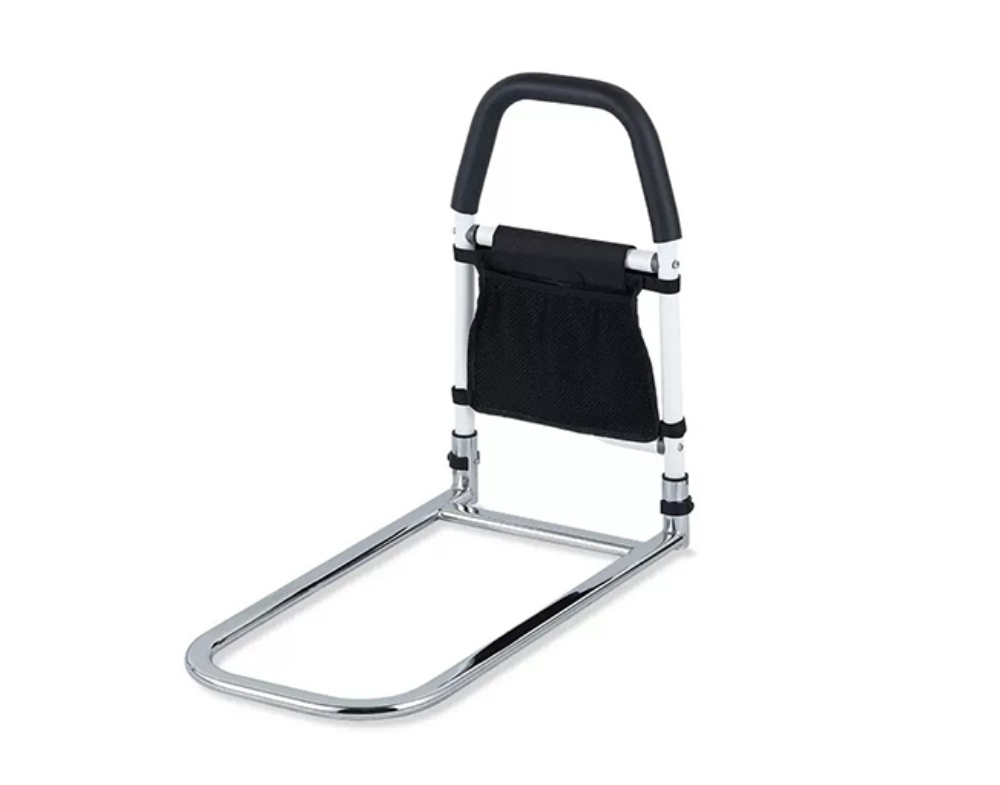
ราวกั้นเตียงในปัจจุบันจำเป็นต้องผสมผสานความทนทาน ความสะดวกในการใช้งาน และการป้องกันอันตรายที่ไม่คาดคิด กฎระเบียบใหม่ล่าสุดเน้นการตรวจสอบทางกล การป้องกันการติดขัด และการใช้งานที่เน้นผู้ใช้เป็นหลัก
ความสมบูรณ์ของโครงสร้างและความสามารถในการรับน้ำหนัก
ความแข็งแรงของโครงสร้างยังคงเป็นพื้นฐานของการตรวจสอบความปลอดภัยทั้งหมด ผู้ผลิตต้องตรวจสอบให้แน่ใจว่ารางแต่ละชิ้นสามารถรองรับการใช้งานอย่างต่อเนื่องโดยไม่บิดงอหรือสึกหรอ วิธีการทดสอบจะตรวจสอบความต้านทานต่อแรงกดในจุดต่างๆ โดยเฉพาะข้อต่อ เพื่อพิสูจน์ความน่าเชื่อถือในระยะยาวภายใต้ภาระที่เปลี่ยนแปลงไป
รุ่น XY-316 ใช้โครงสร้างหลักทำจากเหล็กกล้าคาร์บอนหนา 1.2 มม. / โครงด้านล่างเคลือบด้วยไฟฟ้า / โครงด้านบนออกแบบเป็นท่อแบน / เคลือบสีแบบพ่น / ถอดประกอบได้ / ไม่ต้องเจาะรู / มาพร้อมถุงเก็บ / ที่จับโฟม รับน้ำหนักได้ถึง 100 กก. แสดงให้เห็นว่าวัสดุที่แข็งแรงทนทานสามารถตอบสนองความต้องการระดับคลินิกได้อย่างยาวนาน ในขณะที่ยังคงไว้ซึ่งการประกอบที่เรียบง่าย
มาตรฐานการป้องกันการติดกับดักและการวัดช่องว่าง
อันตรายจากการติดขัดยังคงเป็นหนึ่งในปัญหาใหญ่ที่สุดที่ได้รับการแก้ไขด้วยการเปลี่ยนแปลงกฎระเบียบ ขนาดช่องว่างที่กำหนดไว้ระหว่างชิ้นส่วนรางช่วยรับประกันได้ว่าศีรษะ คอ หรือแขนจะไม่ติดขัดขณะใช้งาน นอกจากมาตรการควบคุมการออกแบบที่กำหนดไว้ เช่น ข้อจำกัดด้านขนาดแล้ว ระบบใหม่ยังเพิ่มการตรวจจับด้วยเซ็นเซอร์ที่สามารถค้นหาช่องว่างที่ไม่ปลอดภัยได้ตั้งแต่เริ่มก่อตัว และเตือนผู้ช่วยเหลือล่วงหน้าก่อนที่จะเกิดอุบัติเหตุ
ข้อควรพิจารณาตามหลักสรีรศาสตร์สำหรับผู้ใช้งาน
ปัจจัยด้านความสะดวกสบายมีบทบาทสำคัญมากขึ้นเรื่อยๆ ในการพัฒนาราวกั้นเตียงในปัจจุบัน ความสูงที่ปรับได้ช่วยให้ผู้ใช้ที่มีความสามารถในการเคลื่อนไหวแตกต่างกันสามารถเข้าถึงเตียงได้อย่างปลอดภัยโดยไม่ลดทอนแรงยึดเกาะ ขอบที่โค้งมนช่วยลดความเสี่ยงจากการกระแทกในระหว่างการทำงาน และพื้นผิวกันลื่นช่วยเพิ่มความมั่นคงในการยึดเกาะสำหรับผู้สูงอายุหรือผู้ที่กำลังพักฟื้นจากการผ่าตัด
นวัตกรรมทางเทคโนโลยีที่จะส่งผลต่อความปลอดภัยของราวกั้นเตียงในปี 2026
เมื่อเทคโนโลยีด้านการดูแลสุขภาพผสานเข้ากับพื้นที่อยู่อาศัยในชีวิตประจำวัน ระบบอัจฉริยะต่างๆ กำลังเปลี่ยนแปลงวิธีการทำงานของราวกั้นเตียงให้ก้าวพ้นบทบาทเชิงกลไกแบบเดิมๆ
ระบบตรวจสอบอัจฉริยะที่ผสานรวมอยู่ในราวเตียง
เซ็นเซอร์ในตัวของราวกันตกแบบใหม่จะตรวจจับแรงกดหรือรูปแบบการเคลื่อนไหวที่ผิดปกติ ซึ่งบ่งชี้ถึงความเสี่ยงที่อาจเกิดขึ้น เช่น ผู้ป่วยพลิกตัวหรือพยายามออกจากราว ระบบเหล่านี้เชื่อมต่อโดยตรงกับสายเรียกพยาบาลหรือแอปพลิเคชันในโทรศัพท์เพื่อแจ้งเตือนทันที นอกจากนี้ การศึกษาข้อมูลเชิงลึกยังช่วยเสริมด้วยการตรวจจับรูปแบบการกระทำที่อาจบ่งชี้ถึงโอกาสการหกล้มที่สูงขึ้นก่อนที่จะเกิดเหตุการณ์ขึ้น
ความก้าวหน้าทางวิทยาศาสตร์วัสดุในการผลิตราวกั้นเตียง
ความก้าวหน้าในด้านความรู้เกี่ยวกับวัสดุได้เพิ่มวัสดุที่ช่วยต่อต้านเชื้อโรคซึ่งช่วยลดโอกาสการติดเชื้อ ซึ่งเป็นจุดสำคัญในโรงพยาบาลที่ความสะอาดมีความสำคัญสูงสุด ปัจจุบันโลหะเบาเข้ามาแทนที่โครงสร้างเหล็กที่หนักกว่าโดยไม่สูญเสียความแข็งแรงหรือความทนทาน นอกจากนี้ ยังมีการใช้วัสดุที่เป็นมิตรต่อสิ่งแวดล้อมเพื่อให้สอดคล้องกับกฎระเบียบด้านสิ่งแวดล้อมจากกลุ่มต่างๆ ทั่วโลก
Xunyu แพทย์ ได้เน้นย้ำถึงนวัตกรรมทางเทคโนโลยี โดยปรับปรุงการออกแบบผลิตภัณฑ์ให้ตรงกับความต้องการที่แท้จริงของกลุ่มผู้สูงอายุที่เพิ่มมากขึ้น การใช้เทคนิคการพ่นสีที่ดีกว่าบนโครงเหล็กกล้าคาร์บอนสูงแสดงให้เห็นว่ากระบวนการผลิตเปลี่ยนแปลงไปอย่างไรเพื่อให้สอดคล้องกับเป้าหมายด้านสิ่งแวดล้อมระดับโลก
กรอบการปฏิบัติตามข้อกำหนดที่ควบคุมการออกแบบราวกั้นเตียงในปี 2026
เพื่อให้เกิดความสม่ำเสมอในตลาดโลก กฎระเบียบต่างๆ จึงกำหนดขั้นตอนการอนุมัติที่ชัดเจน ซึ่งรวมถึงงานด้านกลไกและหน้าที่ในการตรวจสอบหลังการขาย
มาตรฐานสากลและกระบวนการรับรอง
มาตรฐาน ISO 60601 และคู่มือ IEC กำหนดกฎเกณฑ์ที่ครบถ้วนเกี่ยวกับความทนทานเชิงกล ความปลอดภัยทางไฟฟ้า (สำหรับอุปกรณ์ที่ใช้พลังงาน) และการทดสอบความเป็นมิตรต่อร่างกายสำหรับชิ้นส่วนที่สัมผัสกับผิวหนังหรือผ้าปูที่นอน กลุ่มมาตรฐานท้องถิ่น เช่น ASTM (สหรัฐอเมริกา) และ EN (ยุโรป) เพิ่มมาตรฐานเพิ่มเติมเพื่อให้มั่นใจได้ถึงการคุ้มครองผู้บริโภคที่สม่ำเสมอในทุกที่
การอนุมัติจำเป็นต้องมีหลักฐานจากการทดสอบในห้องปฏิบัติการที่แสดงให้เห็นว่าตรงตามกฎเกณฑ์การประกอบทั้งหมด พร้อมทั้งบันทึกการติดตามในขั้นตอนต่างๆ ผู้ผลิตต้องจัดทำแผนบริการหลังการขายสำหรับนาฬิกาที่สามารถตรวจจับสัญญาณผิดปกติในระยะเริ่มต้นจากข้อมูลการใช้งานจริงด้วย
บทบาทของหน่วยงานกำกับดูแลในการบังคับใช้กฎหมายและการตรวจสอบ
กลุ่มผู้กำหนดกฎระเบียบยังคงศึกษาอ่านรายงานเหตุการณ์อย่างต่อเนื่องเพื่อปรับปรุงมาตรการด้านความปลอดภัยของราวกันตกข้างเตียงให้ดียิ่งขึ้น แบบที่ไม่ได้มาตรฐานจะต้องถูกเรียกคืนหรือผลิตใหม่หากพบความเสี่ยงหลังจากส่งออกไปแล้ว โปรแกรมการเรียนรู้ยังช่วยให้ผู้ดูแลเข้าใจวิธีการติดตั้งและการบำรุงรักษาที่ถูกต้อง ซึ่งเป็นปัจจัยหลักที่มีผลต่อการทำงานจริง แม้กระทั่งในการประชุมก็ตาม
การประเมินว่าการออกแบบในปัจจุบันตรงตามมาตรฐานความปลอดภัยสมัยใหม่หรือไม่
ตัวเลือกใหม่ล่าสุดของตลาดชี้ให้เห็นถึงก้าวที่มั่นคงในการเติมเต็มความคาดหวังด้านความปลอดภัยในปัจจุบัน แต่ก็ยังแสดงให้เห็นถึงจุดที่ยังต้องการการแก้ไขเพิ่มเติม
แนวโน้มล่าสุดแสดงให้เห็นถึงระบบที่ยืดหยุ่นซึ่งเหมาะกับเตียงประเภทต่างๆ ตั้งแต่โครงเตียงแบบปรับเปลี่ยนได้ระดับโรงพยาบาลไปจนถึงการจัดเตียงสำหรับดูแลที่บ้าน ช่วยเพิ่มความสามารถในการปรับตัวในขณะที่ยังคงรักษามาตรฐานความปลอดภัยที่กำหนดไว้ วิธีการป้อนข้อมูลของผู้ใช้ที่ดีขึ้นที่เพิ่มเข้ามาในขั้นตอนการพัฒนาผลิตภัณฑ์ช่วยให้สามารถแก้ไขปัญหาทีละขั้นตอนโดยอิงจากข้อมูลการใช้งานจริง ไม่ใช่แค่เพียงแนวคิด
อย่างไรก็ตาม ปัญหายังคงอยู่: การสร้างความสมดุลระหว่างความสะดวกในการใช้งานด้วยตนเองกับขั้นตอนการช่วยเหลือที่จำเป็นยังคงเป็นเรื่องยาก โดยเฉพาะอย่างยิ่งในการออกแบบสำหรับสถานที่ดูแลผู้ป่วยที่มีปัญหาด้านความจำหรือสถานที่พักฟื้นที่ต้องการความช่วยเหลือจากเจ้าหน้าที่เป็นประจำ
แนวทางในอนาคตน่าจะเน้นการผสมผสานที่ลึกซึ้งยิ่งขึ้นระหว่างการสร้างปัจจัยด้านบุคคลและการตั้งค่าการเฝ้าระวังด้วยการเรียนรู้ของเครื่องจักรที่สามารถคาดการณ์ความเสี่ยงได้ด้วยตนเอง การทำงานเป็นทีมระหว่างผู้สร้าง ผู้เชี่ยวชาญ และกลุ่มกำหนดกฎเกณฑ์จะพิสูจน์ได้ว่าเป็นกุญแจสำคัญในการรักษาแนวคิดใหม่ ๆ ในขณะที่รักษาความเป็นองค์รวมของการประชุมภายใต้สภาพแวดล้อมที่เปลี่ยนแปลงไปในปี 2026
คำถามที่พบบ่อย
คำถามที่ 1: ปัจจุบันมีมาตรฐานข้อบังคับหลักอะไรบ้างที่ใช้ควบคุมการผลิตราวกั้นเตียง?
A1: มาตรฐาน ISO 60601 และ IEC เป็นพื้นฐานของกรอบการปฏิบัติตามข้อกำหนดระดับโลกที่ควบคุมการออกแบบราวกั้นเตียง โดยระบุข้อกำหนดที่เกี่ยวข้องกับความทนทานเชิงกล ความปลอดภัยทางไฟฟ้า (ในกรณีที่เกี่ยวข้อง) การทดสอบความเข้ากันได้ทางชีวภาพ และกระบวนการควบคุมเอกสารสำหรับการอนุมัติการรับรอง
คำถามที่ 2: วัสดุสมัยใหม่ช่วยปรับปรุงประสิทธิภาพของราวเตียงได้อย่างไร?
A2: การใช้อลูมิเนียมอัลลอยด์เสริมแรงและสารเคลือบต้านจุลชีพช่วยเพิ่มทั้งความทนทานและสุขอนามัย ในขณะเดียวกันก็ลดน้ำหนักโดยรวม ทำให้ติดตั้งง่ายขึ้นโดยไม่ลดทอนความแข็งแรงหรือความมั่นคงในระยะยาว
คำถามที่ 3: ผู้บริโภคควรให้ความสำคัญกับคุณสมบัติใดบ้างเมื่อเลือกซื้อราวข้างเตียง?
A3: ผู้ซื้อควรพิจารณาคุณสมบัติที่สามารถปรับความสูงได้ มีที่จับกันลื่น ขอบโค้งมนเพื่อความสบายในการใช้งาน รับน้ำหนักได้มากเกิน 100 กิโลกรัม และออกแบบให้ถอดประกอบได้โดยไม่ต้องใช้เครื่องมือ ซึ่งเป็นคุณสมบัติที่พบในรุ่นต่างๆ เช่น ราวกั้นเตียงทางการแพทย์เหล็กกล้าคาร์บอน XY-429 พัฒนาโดย Xunyu Medical ซึ่งเป็นตัวอย่างของการออกแบบตามหลักสรีรศาสตร์ที่พร้อมสำหรับการปฏิบัติตามมาตรฐานสมัยใหม่
คำถามที่ 4: รางตรวจสอบอัจฉริยะคุ้มค่าที่จะพิจารณาใช้ในสภาพแวดล้อมการดูแลที่บ้านหรือไม่?
A4: ใช่ ราวกั้นอัจฉริยะที่ติดตั้งเซ็นเซอร์สามารถตรวจจับรูปแบบการเคลื่อนไหวที่ไม่ปลอดภัยได้ตั้งแต่เนิ่นๆ เพื่อป้องกันการหกล้มหรือการติดขัด ซึ่งเป็นข้อได้เปรียบที่ประเมินค่าไม่ได้สำหรับผู้ดูแลผู้ป่วยสูงอายุที่บ้านที่ต้องการการดูแลอย่างต่อเนื่องแต่ไม่รบกวน


