

What Should Importers Verify About Spare Parts in Mobility Equipment
Time : Aug 06, 2026 View : 595
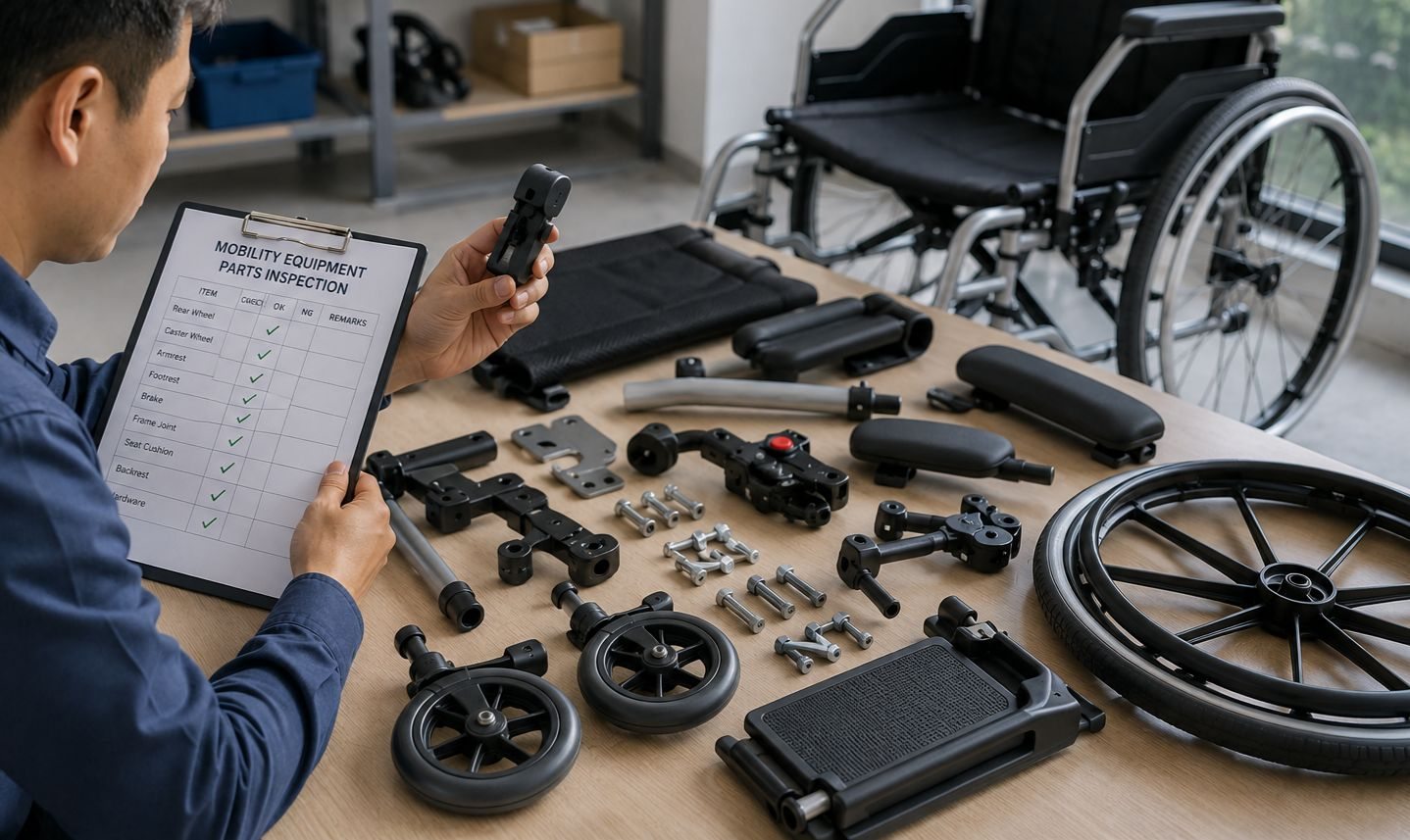
Mobility equipment is usually sold as a complete product, but the pressure starts after the container arrives. A dealer may need a brake set, a rubber tip, a charger, or a missing screw kit, and the importer has to answer quickly.
That is why spare parts deserve attention before the first bulk order. A wheelchair, walking aid, crutch, or bath chair may look acceptable in a sample room. If its replacement parts are unclear, hard to reorder, or different from one batch to the next, the importer will carry the problem through every service call.
Why Spare Parts Should Be Checked Before the Main Order
For importers, spare parts are not only a repair issue. They affect SKU planning, warranty cost, dealer training, and after-sales speed. A missing accessory can delay installation. A changed brake bracket can make old stock hard to service.
The first check is basic but often skipped: ask whether the supplier treats spare parts as a real product system. Are parts named clearly? Are they packed with labels? Can the sales team connect a replacement part to a model, batch, and production version? If the answer is vague, the risk will not stay in the factory. It moves into the importer’s warehouse.
For mixed elderly-care product lines, Xunyu Medical is a useful reference because its range covers wheelchairs, crutches, walking aids, shower chairs, toilet armrests, bedside rails, and related daily-care equipment. That range makes spare parts planning closer to real channel work.
Electric Wheelchairs: Battery, Charger, Controller, and Motor Parts
Electric wheelchairs need the strictest spare parts check because one failed electrical part can stop the entire chair. Importers should not only ask for a battery price.
-
They need the battery type, voltage, capacity, connector style, charging port position, and packing method. If the battery is shipped separately for compliance reasons, the order documents must match the shipping plan.
-
The charger needs the same attention. Plug type, output, label language, cable length, carton marking, and spare charger MOQ should be confirmed before bulk production.
-
Controller and joystick parts are even more sensitive. A controller may look like a small replacement module, but it must match the motor, wiring harness, brake system, and driving logic. Importers should ask how the supplier marks controller versions and whether a later batch can still support chairs sold six months earlier.
-
Motor-related parts need a practical check: connectors, mounting points, cable protection, and left-right matching. For hospital transfer, home care, and rental channels, the repair team needs to know whether a motor can be replaced without changing too many surrounding parts.
Manual Wheelchairs: Wheels, Brakes, Footrests, and Cushions
Manual wheelchairs are simpler than powered chairs, but their spare parts move faster. Wheels wear out. Brakes loosen. Footrests get bent in transport. Cushions and arm pads take daily contact and cleaning.
Importers building a basic care or rehabilitation line should compare models in the wheelchair category by looking beyond frame material. Wheel size, brake layout, footrest structure, cushion material, and folding size all affect what parts should be stocked.
Wheels and brakes need model-level matching:
-
For wheels, ask whether the front and rear wheels use standard sizes or factory-specific fittings. Solid wheels reduce puncture complaints, but importers still need bearings, forks, and axle parts for long-term sales.
-
Brakes deserve a sample test, not just a photo check. The importer should test left and right locking force, lever position, screw access, and whether the brake still holds after repeated folding and unfolding. In nursing homes or rehabilitation centers, poor brake service creates a safety complaint very quickly.
-
Footrests should be checked for hinge strength, adjustment holes, foot straps, and left-right matching. Cushions require a different question: can the importer buy the seat cushion, back cushion, or arm pad separately?
Xunyu Medical’s XY-608J steel care wheelchair is a relevant example for this kind of review. It uses a high-strength A3 steel frame, a folding cross-brace structure, 8-inch solid front wheels, 24-inch non-pneumatic solid rear tires, a four-brake system, adjustable footrests, a safety belt, and a removable U-shaped sponge cushion. Those details tell importers which replacement parts should be named before an order is placed.
Walking Aids and Crutches: Small Parts With Large Safety Impact
Crutches and walking aids look easy to manage until a rubber tip splits or a height button gets stuck. Rubber tips, hand grips, adjustment pins, spring buttons, screws, and plastic sleeves all influence daily stability.
In the crutch category items such as adjustable walking canes and aluminum medical crutches show why spare parts cannot be treated as generic accessories. A hand grip has to fit the tube diameter and usage angle, while an adjustment button must lock cleanly after repeated use.
Importers should ask for spare rubber tips in the same hardness and color planned for the main order. Hand grips should be checked for smell, surface texture, and comfort, especially for elderly users with weaker grip strength.
Walking frames and rollators add another layer. Height-adjustment parts, folding locks, plastic feet, rear caps, and handgrip covers need clear part codes.
Bath Chairs: Foot Pads, Screws, and Wet-Area Accessories
Bath chairs are spare-parts sensitive because they work in wet rooms. The frame may stay strong, while foot pads, screws, seat boards, backrest fittings, and height-adjustment pins take daily moisture and cleaning.
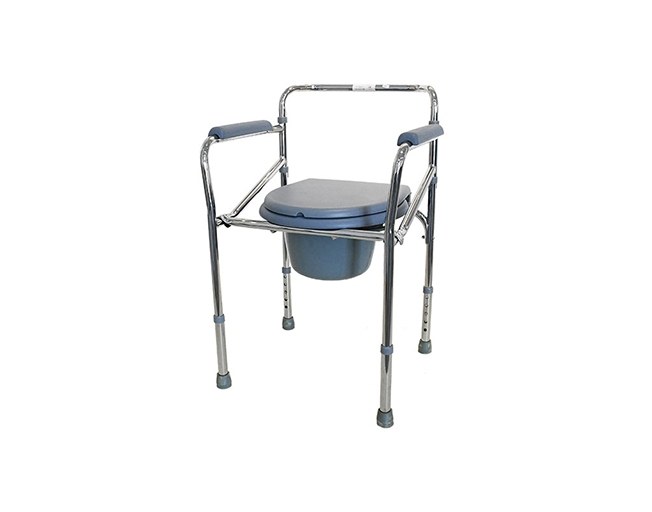
When reviewing a bath chair category, importers should separate wet-area parts from normal hardware. Foot pads need anti-slip contact and stable tube fit. Screws should resist rust and come in a clearly packed accessory bag.
For bath stools and shower chairs with height adjustment, the importer should test each hole position and confirm the spare foot pads still sit flat after adjustment. Too soft means fast wear; too hard may slide on tile.
Accessory packing matters here. A bath chair may be assembled by a family member, nurse, or local installer. If screws, washers, or instructions are unclear, the product can be blamed even when the frame is fine.
How Importers Can Verify Spare Parts Before Bulk Production
The most practical method is to request a spare parts list together with the sample. The list should show part names, photos, part codes, applicable models, MOQ, packing quantity, and shared-use parts.
Sample testing should include part removal and reassembly. Remove a wheel, tighten a brake, change a rubber tip, replace a foot pad, and check whether normal tools can finish the work.
For mixed mobility equipment orders, importers should also ask which parts may change during production. Brakes, rubber tips, chargers, controllers, cushions, and plastic accessories are common areas where small supply changes happen.
Importers should also decide on spare parts packaging early. Dealer packs may need labeled bags. E-commerce channels may need retail-ready accessories. Care projects may need extra screws, rubber tips, and pads shipped with the main goods.
Finally, keep the spare parts plan tied to reorder timing. The point is not to buy every possible part. The point is to know which parts will stop service if they are missing.
This is where Xunyu Medical’s service support matters in a real B2B relationship. A manufacturer focused on elderly assistive devices can discuss spare parts by application rather than by carton count alone.
FAQ
Q1: Which spare parts should importers ask for first when buying mobility equipment?
A1: Start with the parts most likely to affect safety or service speed: wheelchair brakes and wheels, electric wheelchair batteries and chargers, crutch rubber tips, walking aid adjustment parts, and bath chair foot pads and screws.
Q2: Should spare parts be included in the first bulk order?
A2: Usually yes. Even a small starter set helps dealers handle early complaints without opening complete units for parts. It also shows which items move fastest in the local market.
Q3: How can buyers check whether wheelchair brakes and wheels are easy to replace?
A3: Test them on the sample. Remove and reinstall the wheel, adjust the brake, check screw access, and ask whether the same spare part fits later production batches. A photo is not enough for this part of the check.
Q4: Can Xunyu Medical support spare parts planning for mixed mobility equipment orders?
A4: For importers buying wheelchairs, crutches, walking aids, bath chairs, and other elderly-care products, it is reasonable to discuss spare parts, packaging, and replacement needs together with the order plan. That avoids treating every model as a separate after-sales problem.


