

Crutches Quality Control: Reduce Bulk Order Complaints
Time : Aug 19, 2026 View : 742

Bulk complaints about crutches do not normally stem from any kind of single catastrophic failure. Instead, there are usually small problems: an adjustment pin that does not fit right compared to the approved sample, a pad that moves around, a rubber tip that will not seat correctly, or a box that lets the item get scratched up. Individually, each one can be dealt with easily enough. Together, across a shipment, they will cause delays in replenishment, increase service, and make the whole product line appear unreliable. Quality control on crutches has to begin even before there is any kind of purchase order. The buyers have to have an approved sample, a brief but clearly defined inspection criteria, and documentation that makes any future complaint traceable. It is not a laboratory process; it is making sure the item that gets shipped out matches the one the buyer has actually seen and approved. Start with the medical crutch category , then document it.
Why After-Sales Complaints Begin Before Shipment
The Cost of Repeated Minor Defects
A loose grip, a scratched tube, or an uneven foot pad can become expensive after distribution. The receiving team may have to sort cartons, a reseller may hold stock while waiting for an answer, and a care provider may choose another source for the next order. These indirect costs often exceed the unit value of the affected product. A buyer should therefore treat repeating minor defects as a pattern to investigate, not as unrelated one-off returns.
Separate Product Issues from Fit-Related Feedback
Some complaints involve product condition. Others involve a user receiving the wrong height range or incomplete fitting guidance. For example, reports related to crutches bruising armpits may point to an unsuitable adjustment, an inconsistent contact pad, or the way the item was handed over. Buyers should avoid assuming that every comfort complaint has one cause. Check the product code, selected adjustment positions, pad condition, and the channel’s fitting process before deciding how to respond.
Set a QC Standard Before Placing a Bulk Order
Define Approved Samples and Product Specifications
An approved sample should be more than a product sitting on a desk. Photograph it from key angles and record the product code, height range, tube option, grip position, tip type, pad specification, and carton marks. The XY-925 aluminum underarm crutch offers nine foot-tube positions, five grip positions, and small, medium, and large height ranges. Those features are useful only when the ordered version is written down clearly.
The sample sheet should also state what is not acceptable: rough edges, incomplete fasteners, loose pads, uneven adjustment action, damaged tips, missing instructions, or unclear labels. This gives the receiving team a practical basis for inspection. It also reduces disputes caused by a buyer and supplier remembering an informal conversation differently.
Document Adjustment, Finish, and Component Requirements
Adjustable crutches need checks at more than one setting. Move the foot section and grip through several positions, confirm that pins engage cleanly, and compare the effort needed across samples. Review the tube finish under normal light and look for scratches, sharp edges, or inconsistent assembly. A product can appear acceptable when fully extended but show a problem only when a buyer tests the settings that will be used after sale.
Inspect User-Contact and Wear Parts
Check Crutch Pads and Handgrips for Consistency
Crutch pads and handgrips are daily contact parts. During sample review, compare surface uniformity, edge finishing, attachment security, and left-right consistency. Press and release the pad to see whether it returns evenly. Hold the grip firmly to check for unwanted movement or rough molding lines. These are small checks, but they are closely connected to comfort feedback and the buyer’s future need for replacements.
Review Rubber Tips for Fit, Grip, and Reorder Readiness
Rubber tips protect the user-facing end of the product and influence how the crutch behaves on common floors. Inspect the fit on the tube, the shape of the contact surface, the finish around the opening, and whether the tip sits evenly after repeated placement. A loose or poorly seated tip may be noticed immediately by a retailer even when the frame itself is well made.
The folding XY-911 crutch uses 19 mm and 22 mm aluminum tubes with a 1.2 mm wall and a honeycomb-style rubber foot pad. It provides a useful reminder that the tip or pad should be inspected with the entire configuration, including the frame and moving parts. Confirm how replacement tips are matched to the relevant model before committing stock.
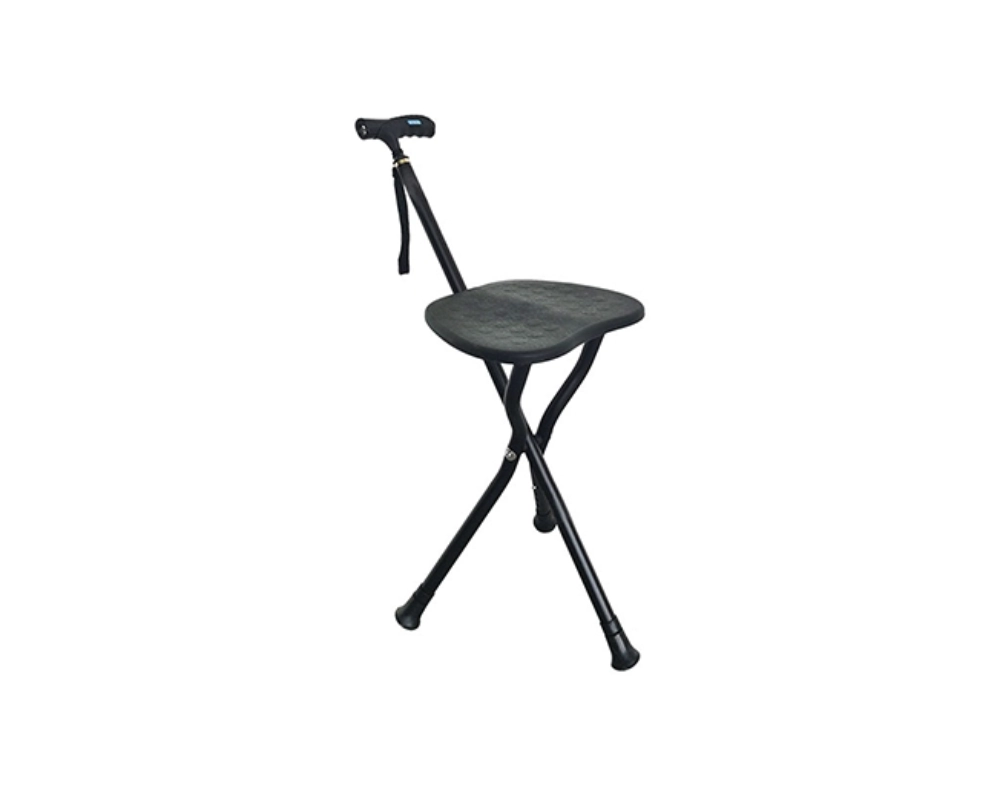
Product images can support configuration review, but a physical sample remains the buyer’s reference for adjustment action, contact components, and the fit of wear parts.
Use Sample Checks That Reflect Channel Risk
Compare Multiple Samples Instead of One Display Unit
Review a small group of samples whenever possible. Compare tube alignment, adjustment positions, grips, pads, tips, and labeling across the group. One display sample may be excellent while another reveals a difference in finishing or assembly. Buyers do not need to create an oversized inspection process, but they should see enough pieces to decide whether the key components are consistent.
A simple use check adds value. Set several height positions, fold a folding model where relevant, place the crutch on smooth and textured surfaces, then check the parts again. The point is to find obvious variability before products move through the sales channel, where correcting it requires more time and more coordination.
Check Carton Protection, Labels, and Included Parts
Open more than one carton during approval and again when the shipment arrives. Look for protective material that has shifted, tubes rubbing against each other, loose components, carton moisture, missing instructions, or labels that do not match the approved product code. Carton quality is part of crutches quality control because many complaints begin when a sound product reaches a buyer in poor condition.
Build Traceability into Bulk Crutches Orders
Record Product Codes, Configurations, and Batch References
A complaint is easier to resolve when the distributor can identify the exact item. Keep the purchase order, approved sample record, supplier confirmation, product code, configuration, carton mark, and receiving date together. If the supplier provides a batch reference, preserve it with the delivery record. This does not add much work at ordering stage, but it gives the buyer a reliable trail when a specific issue is reported months later.
Turn Complaint Evidence into a Clear Supplier Discussion
When a problem appears, gather photographs, the product and carton references, the adjustment setting, the number of similar cases, and a short description of the use situation. Compare this with the approved sample before requesting action. A crutches manufacturer can respond more effectively when the buyer identifies the component and configuration involved instead of sending only a general complaint.
This approach also improves internal decisions. The buyer can see whether the issue is isolated, linked to handling, or repeated across one order. Service staff can then choose a replacement part, a product replacement, a sales-guidance update, or a wider review based on evidence rather than guesswork.
Work with a Crutches Manufacturer Before Release
Ask for Replacement-Part and Reorder Details
Before release, ask the supplier to confirm the ordered configuration, available replacement pads and tips, pack quantities, labeling, lead-time assumptions, and the reference needed for repeat orders. Xunyu Medical produces crutches, walkers, shower chairs, bedside commodes, and related elderly-assistive-device categories from a factory of about 4,000 square meters in Foshan. This broader offering can help distributors plan related mobility products while keeping each crutch SKU clearly specified.
Align Packaging and Service Requirements with the Target Channel
The supplier brief should describe where the product will be sold, expected order volume, required configuration, packaging needs, and the service issues the buyer wants to prevent. Xunyu Medical‘s OEM and ODM service options provide a route to discuss packaging, labels, and product details before production. The important point is to agree on an observable requirement that can be checked against the sample.
For samples, technical details, or a quotation, contact Xunyu Medical with the product types, intended market, expected volume, and the parts that need review. A clear request makes it easier to build a bulk order that the sales and service teams can support after delivery.
FAQ
Q:Which Crutch Parts Cause the Most Avoidable Complaints?
A:Contact parts and wear parts deserve close attention: pads, handgrips, adjustment points, and rubber tips. Buyers should check their fit, finishing, consistency, and replacement availability during sample approval.
Q:How Many Samples Should Buyers Review Before a Bulk Order?
A:Review more than one piece when possible. The goal is to compare key components and adjustment operation across samples, not to rely on the best-looking display item.
Q:What Records Help Resolve a Product Complaint Quickly?
A:Keep the product code, approved sample record, order and carton references, adjustment setting, photographs, and number of similar cases. This gives the supplier enough detail to review the issue efficiently.


