

دليل شراء الكراسي المتحركة اليدوية القابلة للطي لمقدمي الرعاية ومراكز الرعاية الصغيرة
التاريخ: 8 يونيو 2026 المشاهدات : 847
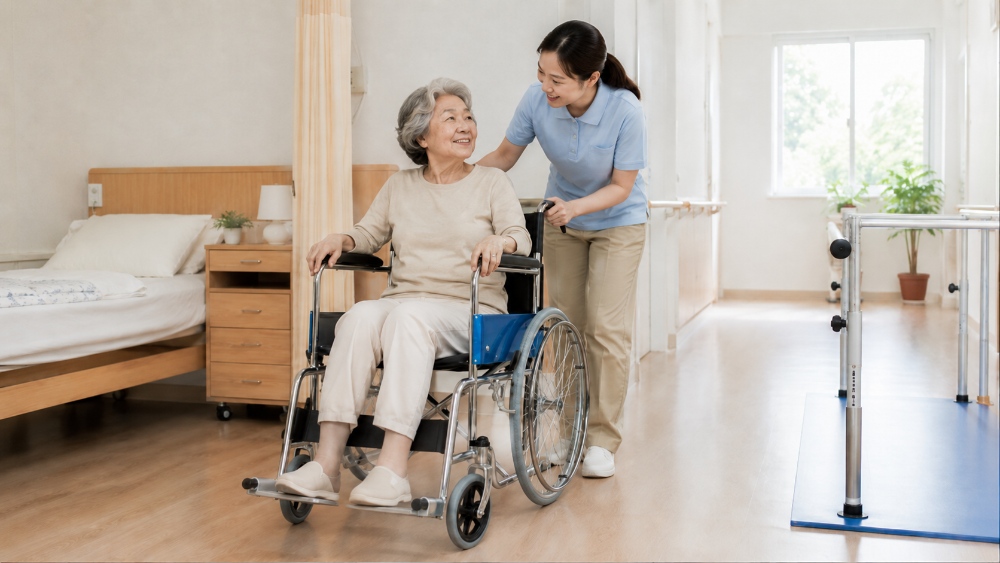
أصبحت مرافق الرعاية أكثر عمليةً ومراعاةً لمحدودية المساحة. تسعى العائلات إلى إبقاء كبار السن في منازلهم لفترات طويلة. في الوقت نفسه، تحتاج مراكز الرعاية الصغيرة وغرف إعادة التأهيل إلى معدات. يجب أن تكون هذه المعدات قابلةً للنقل بين غرف النوم والممرات ومناطق الاستشارة والسيارات، دون أن تشغل مساحةً ثابتةً على الأرض. قد يبدو الكرسي المتحرك الذي تم اختياره بناءً على السعر فقط مناسبًا خلال مراجعة الشراء الأولية. لكن سرعان ما يكشف الاستخدام اليومي عن مكابح ضعيفة، ووسائد يصعب تنظيفها، ومساند قدم غير ثابتة، ومقعد ضيق، أو صعوبة في الطي. بالنسبة للمشترين، يتجاوز السؤال مجرد قدرة الكرسي المتحرك على حمل المستخدم، بل يتمحور حول قدرته على دعم عمليات النقل المتكررة بثبات، وتمكين الدوران داخل المنزل، بالإضافة إلى سهولة استخدامه في الرحلات القصيرة خارج المنزل والتنظيف الروتيني. يركز دليل شراء الكراسي المتحركة اليدوية هذا على الفحوصات المهمة قبل تقديم الطلب.
لماذا تُعدّ قابلية الطي مهمة في بيئات الرعاية اليومية
يُعد الكرسي المتحرك اليدوي القابل للطي خيارًا شائعًا نظرًا لمحدودية المساحة. مع ذلك، لا ينبغي الاستهانة بميزة الطي. ففي الرعاية المنزلية، قد يحتاج الكرسي إلى المرور عبر مداخل ضيقة، وقد يبقى بجوار السرير خلال النهار، كما يجب تخزينه بعد الاستخدام. وفي مراكز الرعاية الصغيرة، قد يخدم كرسي واحد عدة مستخدمين في غرف مختلفة. لذا، يحتاج مقدمو الرعاية إلى سهولة الاستخدام والتخزين السريع.
الخطأ الشائع عند الشراء هو التركيز على حجم الكرسي المتحرك عند فتحه مع إغفال حجمه عند طيه، وطريقة عمل هيكله، ونقاط رفعه. فالكرسي المتحرك القابل للطي، وإن كان نقله صعباً، قد يُسبب صعوبات لمقدمي الرعاية. لذا، ينبغي على المشترين التأكد من متانة هيكل الطي وقدرته على تحمل الفتح والإغلاق المتكررين، ومن صلابة الإطار العرضي. إضافةً إلى ذلك، يجب عليهم التأكد من ثبات مسند الظهر ومساند الذراعين والفرامل ومساند القدمين في مكانها بعد تحريك الكرسي.
بالنسبة للكراسي المتحركة اليدوية لكبار السن، يرتبط طي الكرسي أيضاً بالحفاظ على كرامة المستخدم وسهولة نقله. غالباً ما يحتاج مقدمو الرعاية إلى وضع الكرسي بالقرب من الأسرة أو الأرائك أو دورات المياه أو طاولات الطعام. إذا كان الكرسي المتحرك كبيراً جداً، فقد يتطلب من المستخدم الوقوف لفترات طويلة أو القيام بحركات التفاف. أما إذا تم وضع الكرسي بشكل صحيح، فقد يحتاج المستخدم إلى بذل جهد أقل أثناء عمليات النقل بمساعدة. وتُعد هذه النقطة بالغة الأهمية في المرافق التي يتعين على الموظفين فيها دعم العديد من المستخدمين خلال فترة وجيزة.
ينبغي على مراكز الرعاية الصغيرة مراعاة مسارات تنقل مقدمي الرعاية اليومية. فالممرات والمنحدرات وغرف التخزين والمصاعد ومناطق تحميل المركبات وأماكن التنظيف، جميعها تؤثر على ملاءمة المنتج. وعندما يتحرك الكرسي المتحرك عدة مرات يوميًا، تصبح قابلية الطي عنصرًا أساسيًا في كفاءة العمل.
فحوصات التكوين الرئيسية قبل اختيار كرسي متحرك يدوي
ينبغي قراءة مواصفات الكرسي المتحرك كنظام متكامل، لا كأرقام منفصلة. يؤثر حجم المقعد على وضعية الجلوس، وحجم العجلات على الحركة، ومادة الهيكل على الثبات، ومواد التنظيف على الاستخدام طويل الأمد. قبل اختيار أي طراز، ينبغي على المشترين مقارنة الفئة المستهدفة من المستخدمين ببيئة الرعاية الفعلية، ثم مراجعة النقاط التالية بالترتيب.
مادة الإطار، والثبات، وقدرة التحميل
يُفضّل عادةً اختيار كرسي بإطار فولاذي عندما يحتاج المشترون إلى كرسي ثابت ومتين للاستخدام المنتظم في مجال الرعاية. تُناسب الإطارات الفولاذية البيئات التي قد يستخدم فيها الكرسي أشخاص مختلفون، ويتم نقله على الأسطح الداخلية، ويتعامل معه مقدمو الرعاية الذين يُفضّلون المتانة على الوزن الخفيف للغاية. بالنسبة للمراكز الصغيرة، قد يكون هذا الخيار أكثر عملية من اختيار أخف كرسي متوفر دون التحقق من قوته الهيكلية.
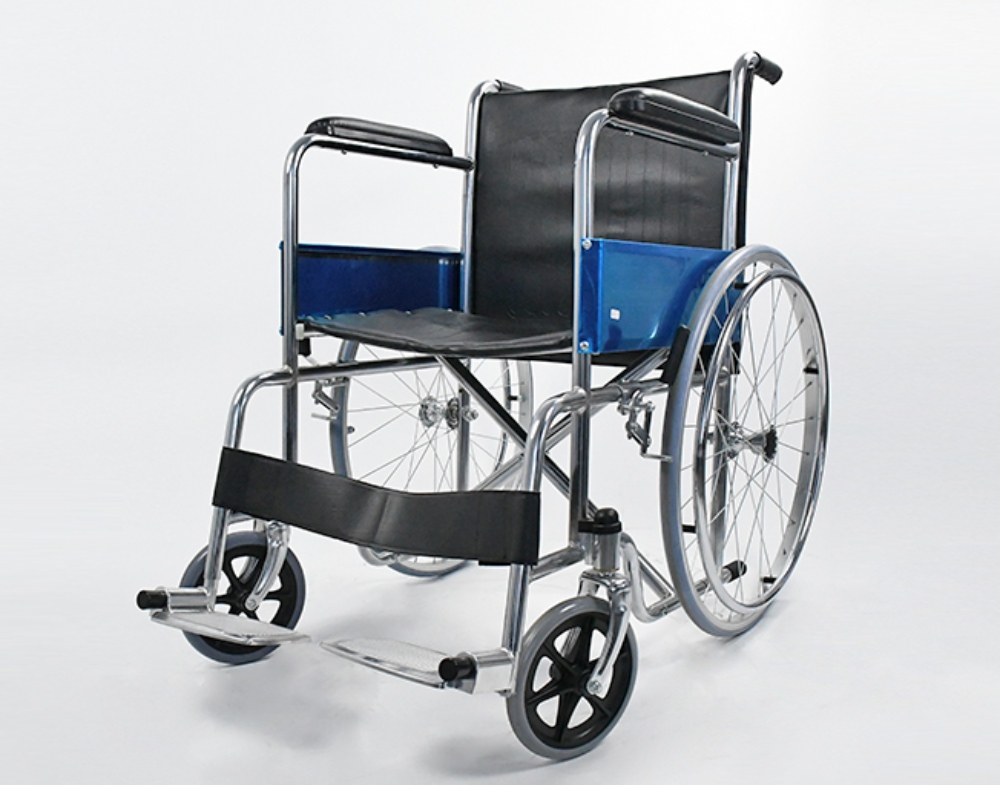
يستخدم كرسي XY-809 إطارًا فولاذيًا من نوع A3 مطليًا بالكهرباء. يبلغ طول الكرسي 103 سم، وعرضه 68 سم، وارتفاعه 87 سم، مع عرض مقعد 46 سم، وعمق مقعد 41 سم، وارتفاع مسند ظهر 44 سم، وارتفاع المقعد عن الأرض 50 سم. أقصى حمولة يتحملها الكرسي 100 كجم. هذه المواصفات تجعله مناسبًا للاستخدام اليومي العادي، وليس ضمن فئة الكراسي المخصصة لمرضى السمنة أو الكراسي ذات الوضعيات الخاصة.
عند مقارنة كرسي متحرك يدوي فولاذي بخيارات أخرى، ينبغي على المشترين فحص هيكل الدعم المتقاطع، ونقاط تثبيت المكابح، ومتانة مساند الذراعين، وآلية قفل مساند القدمين. قد يتعرض الكرسي المستخدم في مركز رعاية صحية لعمليات فتح وطَيّ وتنظيف وتغيير مستخدمين أكثر تكرارًا من الكرسي المستخدم من قِبل شخص واحد. لذا، ينبغي تقييم الثبات من خلال الاستخدام المتكرر، وليس من خلال تجربة واحدة في صالة العرض.
المقعد، مسند الظهر، مساند الذراعين، واحتياجات التنظيف
لا تعتمد راحة استخدام كرسي متحرك للرعاية اليومية على الحشوة الناعمة فحسب، بل يجب أن تتناسب أبعاد المقعد مع المستخدم بشكل جيد. كما يجب أن يوفر مسند الظهر الدعم الأساسي. وينبغي أن تسمح المواد المستخدمة بالتنظيف دون أن تصبح رطبة أو تتشوه. بالنسبة لكبار السن، قد يؤدي الجلوس غير المريح إلى الانزلاق، وعدم استقامة وضعية الجسم، والشعور بعدم الراحة أثناء فترات الانتظار الطويلة.
يشتمل كرسي XY-809 على وسادة مقعد من الجلد الأسود الناعم، ويتوفر خيار آخر من قماش أكسفورد. مواد المقعد ومسند الظهر مقاومة للماء وسهلة التنظيف، ما يجعلها مناسبة لدور رعاية المسنين ومراكز التأهيل وبيئات الرعاية المنزلية، حيث تُعدّ النظافة الشخصية جزءًا من الروتين اليومي. مساند الذراعين مبطنة بحشوة ناعمة من مادة PVC، ما يسمح للمستخدمين بإراحة ساعديهم عليها أثناء الانتظار أو تناول الطعام أو التنقل بمساعدة مقدم الرعاية.
عند شراء كرسي متحرك للاستخدام في دور رعاية المسنين، ينبغي على المشترين التأكد من أن غطاء المقعد ومسند الظهر ومساند الذراعين تتحمل المسح المنتظم. كما ينبغي عليهم التحقق من عدم تراكم الأوساخ حول الخياطة، ومفاصل الإطار، ومفصلات مسند القدمين، أو مناطق العجلات. فسهولة التنظيف تؤثر بشكل مباشر على مدة استخدام الكرسي بين كل مستخدم وآخر، كما تؤثر على مظهره على المدى الطويل.
العجلات، والفرامل، ودعامة النقل
يُعدّ تصميم العجلات من أهمّ عناصر دليل شراء الكراسي المتحركة اليدوية، إذ يؤثر على كلٍّ من قدرة المستخدم على الدفع الذاتي وقدرة مقدم الرعاية على الدفع. يأتي كرسي XY-809 مزوّدًا بعجلات أمامية صلبة من مادة PVC مقاس 8 بوصات، وعجلات خلفية صلبة مقاس 24 بوصة. تُناسب العجلات الخلفية مقاس 24 بوصة المستخدمين الذين قد يحتاجون إلى الدفع اليدوي، بينما تُقلّل الإطارات الصلبة من احتمالية ثقبها أثناء التنقلات القصيرة في الهواء الطلق أو استخدام المرافق.
تستحق المكابح عناية فائقة لأنها تُستخدم بكثرة أثناء عمليات النقل، وليس فقط أثناء ركن السيارة. يستخدم جهاز XY-809 مقبضًا عاديًا مزودًا بمكابح تبديل في الإصدار 809، بينما يمكن تجهيز الإصدار 809J بمكابح خلفية اختيارية من نوع المقبض مزودة بمكابح تبديل. بالنسبة لمراكز الرعاية، قد يكون من المفيد مناقشة خيار المكابح الخلفية الاختيارية عندما يكون تحكم مقدم الرعاية مطلوبًا بشكل متكرر.
تؤثر مساند القدمين ودعامة الساق أيضًا على سلامة النقل. يأتي جهاز XY-809 مزودًا بألواح قدم بلاستيكية عالية المتانة كمعيار أساسي، مع توفر دواسات من سبائك الألومنيوم كخيار إضافي. ينبغي على المشترين التحقق مما إذا كان بالإمكان إزاحة ألواح القدمين جانبًا أثناء النقل، وما إذا كان بإمكان المستخدم تثبيت قدميه في الوضعية الصحيحة أثناء الحركة. تُقلل هذه التفاصيل من جهد مقدم الرعاية في تصحيح وضعية المريض، وتُعزز شعور المستخدم بالأمان.
كيف يمكن لمراكز الرعاية الصغيرة أن تُطابق اختيار المنتجات مع الاستخدام الفعلي
أفضل مواصفات الكرسي المتحرك هي تلك التي تتناسب مع نمط استخدام المشتري. قد يحتاج مركز إعادة التأهيل إلى كرسي للتنقلات القصيرة داخل المنزل بعد العلاج. وقد يحتاج دار رعاية المسنين إلى عدة كراسي للتنقل أثناء تناول الطعام، وزيارات العيادة، والتحضير للاستحمام، والمشي في الهواء الطلق. وقد يحتاج الموزع إلى نموذج يسهل شرحه للمؤسسات والعائلات.
بالنسبة لهؤلاء المشترين، Xunyu الطبية تُقدّم الشركة أجهزة مساعدة لكبار السن، تشمل الكراسي المتحركة، والعكازات، وأدوات المشي، وكراسي الاستحمام، ومساند الأذرع في المراحيض. وتدير الشركة مصنعًا بمساحة 4000 متر مربع، وتُطبّق معايير صارمة لمراقبة جودة الإنتاج، وتركز على التصميم المُراعي لاحتياجات المستخدمين، وتُصدّر منتجاتها إلى أسواق أوروبا، وأمريكا، والشرق الأوسط، ومنطقة آسيا والمحيط الهادئ. يُتيح هذا التنوع في المنتجات للمشترين إمكانية دمج الكراسي المتحركة مع غيرها من أدوات التنقل أو الرعاية عند بناء قائمة شاملة لمعدات الرعاية.
إن كرسي متحرك يدوي فولاذي XY-809 هذا الكرسي مناسب للمشترين الذين يبحثون عن كرسي قابل للطي للاستخدام في المستشفيات، ودور رعاية المسنين، ومراكز إعادة التأهيل، وغرف النوم، والحمامات، والاستخدام الداخلي، وللمساعدة في المشي لمسافات قصيرة في الهواء الطلق. لا يُصنف هذا الكرسي ككرسي سفر فاخر وخفيف الوزن، أو كجهاز تنقل كهربائي. يُناسب هذا الكرسي بشكل أساسي التنقل اليومي بمساعدة، والرعاية المشتركة، والتخزين العملي.
بالنسبة للكراسي المتحركة المخصصة للاستخدام في دور رعاية المسنين، ينبغي على فرق المشتريات إعداد قائمة اختبار صغيرة قبل تأكيد الكمية المطلوبة بالجملة:
- هل يمكن للكرسي أن يدور بسلاسة في أضيق ممر أو غرفة تستخدمها المنشأة؟
- هل يتناسب عرض المقعد مع مجموعة المستخدمين الرئيسية دون التسبب في وضعية جلوس سيئة؟
- هل يستطيع مقدمو الرعاية طي الكرسي ورفعه ووضعه في مكانه وإعادة فتحه دون خطوات معقدة؟
- هل يسهل الوصول إلى المكابح أثناء الانتقال من السرير أو الأريكة أو المرحاض أو طاولة الطعام؟
- هل يمكن مسح الوسادة ومسند الظهر ومساند الذراعين والعجلات والإطار وفحصها بسرعة؟
- هل يوفر المورد خيارات تكوين متسقة للدواسات والفرامل ولون الإطار ومادة الوسادة؟
ليس الهدف اختيار الطراز الأكثر ثراءً بالميزات، بل تقليل التباين بين الكرسي ومهام الرعاية اليومية. فعندما يختار المشتري كرسيًا متحركًا يدويًا لرعاية كبار السن، يكون السؤال الأنسب هو: "ما هي مشكلة الحركة التي يجب أن يحلها هذا الكرسي يوميًا؟" قد تتمثل الإجابة في سهولة التخزين، أو سرعة التنظيف، أو تحكم مقدم الرعاية في الفرامل، أو مواصفات متوازنة يمكن للموزعين توجيهها لتناسب مختلف أنواع العملاء.
يمكن للمشترين الذين يحتاجون إلى خطة معدات أوسع الاطلاع أيضًا على منتجات Xunyu حلول التنقل للرعاية في سياق رعاية المسنين، غالباً ما تُشترى الكراسي المتحركة إلى جانب حواجز السرير، وأدوات المشي، وكراسي الاستحمام، والعكازات، ومنتجات دعم استخدام المرحاض. وقد يُسهم دمج هذه المنتجات في خطة شراء واحدة في مساعدة مراكز الرعاية على بناء بيئة أكثر اتساقاً من حيث السلامة وسهولة الحركة.
استنتاج
لا يقتصر دور الكرسي المتحرك اليدوي القابل للطي على كونه وسيلة نقل فحسب، بل يؤثر أيضًا في مراكز الرعاية الصغيرة ومنازل المرضى على وقت النقل، وعبء العمل على مقدمي الرعاية، والتخزين، والتنظيف، وثقة المستخدم. لذا، ينبغي على المشتري المُتأني مقارنة مادة الإطار، وأبعاد المقعد، ونوع العجلات، والمكابح، ومساند القدمين، وحجم الكرسي عند الطي، وأسطح التنظيف قبل تأكيد الكمية. يوفر كرسي XY-809 اليدوي المصنوع من الفولاذ خيارًا عمليًا للرعاية اليومية، فهو يتميز بهيكل قابل للطي، وإطار فولاذي من نوع A3، وعجلات خلفية مقاس 24 بوصة، وعجلات أمامية من مادة PVC مقاس 8 بوصات، وقدرة تحمل قصوى تصل إلى 100 كجم. لمقارنة الخيارات المناسبة لبيئة الرعاية الخاصة بك، طلب دعم شراء الكراسي المتحركة من شركة شونيو الطبية.


