

لماذا تحتاج الكراسي المتحركة المستخدمة في نقل المطارات إلى أكثر من مجرد إطار خفيف الوزن؟
التاريخ: 22 يونيو 2026 المشاهدات : 796
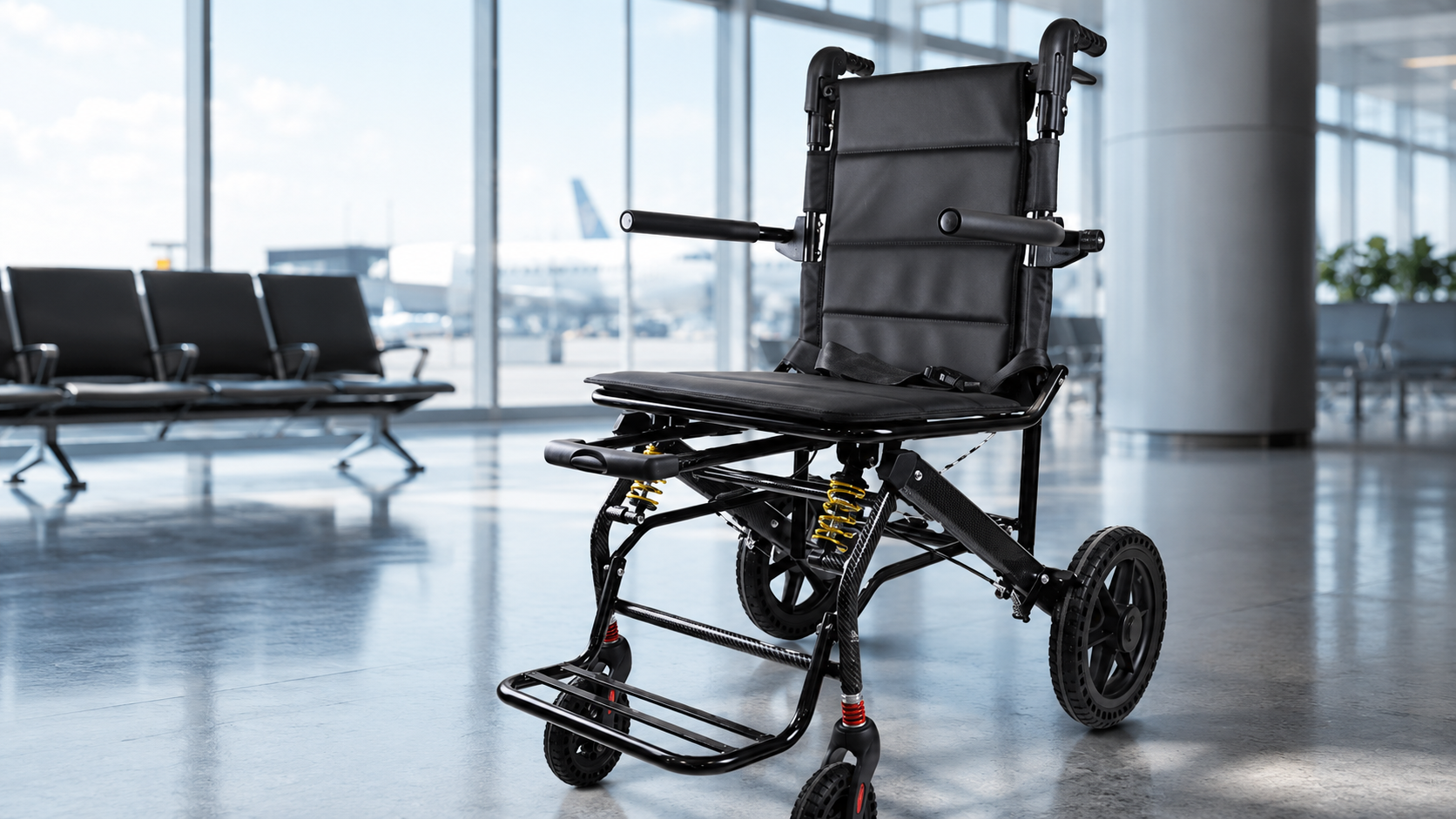
قد تبدو عمليات النقل من وإلى المطار بسيطة من بعيد: ينزل المسافر من السيارة، ويصل إلى مبنى الركاب، وينتظر المساعدة، ثم يمر عبر عدة نقاط تفتيش قبل الصعود إلى الطائرة. لكن بالنسبة لفرق الرعاية والموزعين ومشتري المعدات، فإن العملية الفعلية أقل سلاسة. فقد يمر الكرسي المتحرك فوق أرصفة غير مستوية، وفجوات المصاعد، وحواجز الانتظار، وممرات الخدمة، ومنحدرات الصعود، ونقاط تسليم متكررة. يساعد الإطار خفيف الوزن الموظفين على رفع المعدات وتخزينها، ولكنه لا يحل تلقائيًا مشكلة ثبات المسافر، أو إرهاقه في المسافات القصيرة، أو التحكم في عملية النقل. يحتاج المشترون الذين يزودون المطارات والعيادات ومراكز إعادة التأهيل ومقدمي خدمات رعاية المسافرين أو قنوات رعاية المسنين إلى قائمة معايير أشمل لفئة الكراسي المتحركة المستخدمة في النقل من وإلى المطار. يجب أن يدعم كرسي النقل المناسب سرعة المناولة، والتحكم في وضعية الجلوس، وسهولة التخزين، والراحة المتوقعة دون إضافة أي تعقيدات غير ضرورية.
ما وراء الوزن: ما تتطلبه خدمة النقل من وإلى المطار فعلياً
إن الكرسي المستخدم في خدمة المطارات ليس مجرد مقعد متحرك، بل يصبح جزءًا من منظومة الخدمة، حيث يؤثر وقت الموظفين وثقة المسافرين وموثوقية المعدات على التجربة بأكملها. قبل مقارنة الأسعار، ينبغي على المشترين التمييز بين سهولة النقل ودعم المستخدم الفعلي. صحيح أن الوزن مهم، لكن يجب أن يُؤخذ في الاعتبار إلى جانب بنية الإطار والعجلات والمكابح وتصميم مسند الذراع وأمان المقعد وجودة خدمات ما بعد البيع.
التعامل مع الضغط في نقاط النقل الضيقة
غالبًا ما تتضمن بيئات المطارات ومراكز رعاية المسافرين مساحات ضيقة للمناورة، ومناطق انتظار مزدحمة، وفترات توقف قصيرة أثناء التحقق من الهوية أو تنسيق الصعود إلى الطائرة. قد يتسبب الكرسي الخفيف غير الثابت في زيادة عبء العمل على الموظفين، إذ يضطرون إلى التباطؤ، وتصحيح الاتجاه بشكل متكرر، أو تغيير وضعية الراكب أكثر من المتوقع. لهذا السبب، لا ينبغي أبدًا تقييم الإطار الخفيف وحده.
بالنسبة للكراسي المتحركة المخصصة لنقل الركاب في المطارات، ينبغي على المشترين التحقق من كيفية استجابة هيكل الكرسي عند دفعه على أسطح متغيرة قليلاً. يؤثر حجم العجلة الأمامية، وموضع العجلة الخلفية، وموضع المقبض، والتوازن بين حجم الكرسي عند طيه وصلابته عند فتحه، على سهولة استخدامه. في عمليات الشراء بين الشركات، يُعد هذا الأمر بالغ الأهمية، إذ قد تؤدي دفعة واحدة غير مناسبة إلى شكاوى متكررة من موظفي خدمة العملاء، وليس فقط من المستخدمين النهائيين. قد يؤدي الهيكل سهل الرفع ولكن صعب التوجيه إلى تقليل ضغط التخزين، بينما يزيد من ضغط التشغيل.
ثقة المستخدم أثناء الانتظار والحركة القصيرة
كثير من مستخدمي الكراسي المتحركة هم من كبار السن، أو المرضى الذين خضعوا للعلاج، أو المسافرين ذوي القدرة المحدودة على الحركة مؤقتًا. قد لا يجلسون على الكرسي طوال اليوم، لكنهم مع ذلك يتعرضون لتكرار الانطلاقات والتوقفات والانعطافات وفترات الانتظار. ولا يُغني الاستخدام القصير عن الحاجة إلى راحة الكرسي المتحرك. فالراكب الذي يشعر بكل وصلة في الرصيف أو تغيير في الاتجاه قد يمسك بمسند الذراع بإحكام، أو يميل إلى الأمام، أو يطلب من الطاقم تخفيف السرعة.
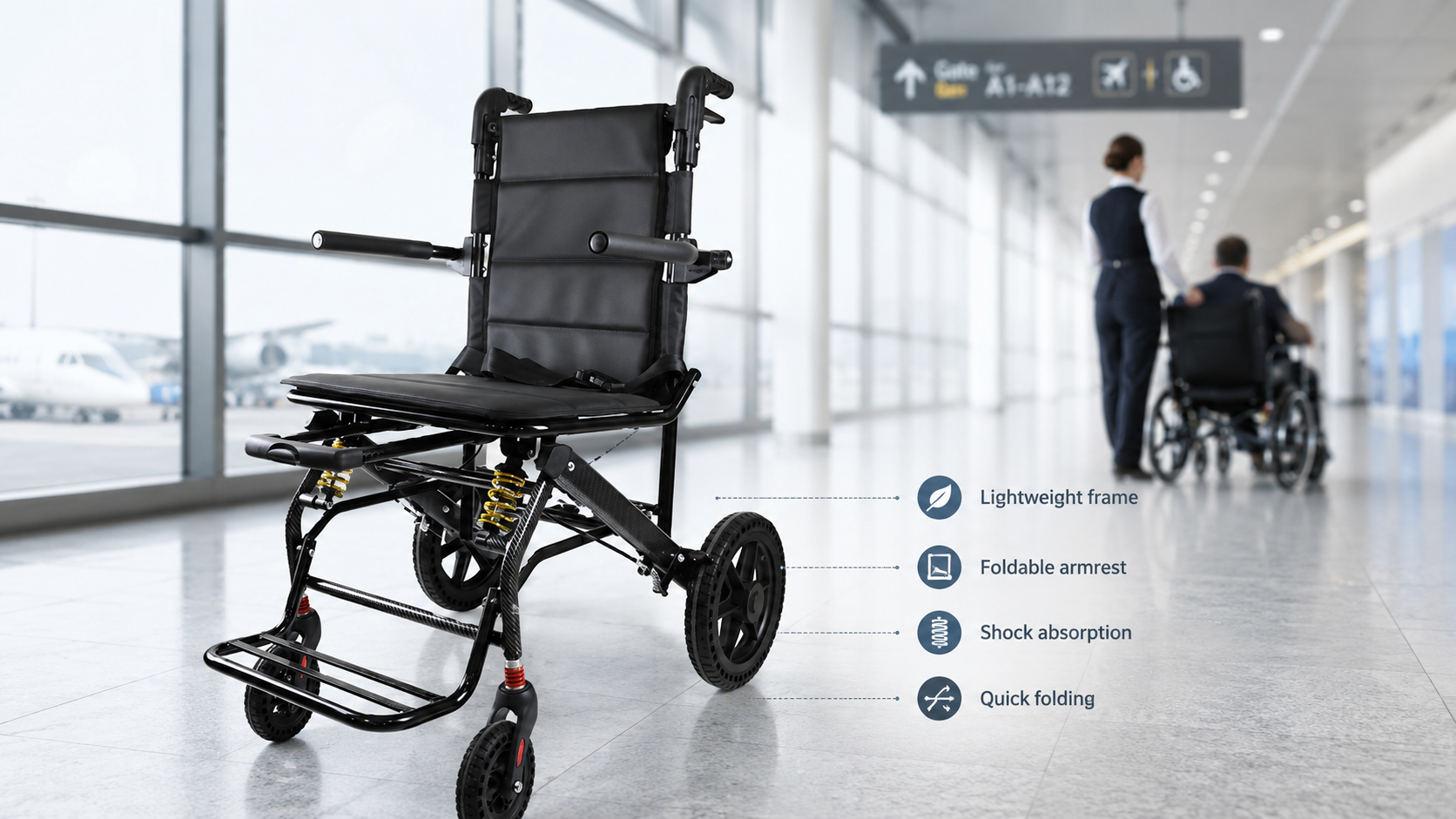
ينبغي على المشترين النظر إلى عرض المقعد، وثبات الوسادة، وتصميم حزام الأمان، وموضع مسند الذراع، وامتصاص الصدمات كجزء من نظام الراحة نفسه. على سبيل المثال، XY-A13-46 نموذج امتصاص الصدمات يستخدم هيكلاً رئيسياً من سبائك الألومنيوم، ووسادة مقعد جلدية سوداء قابلة للفصل مع حزام أمان، ومساند ذراع قابلة للطي، وعجلات أمامية مقاس 6 بوصات وخلفية مقاس 12 بوصة مصنوعة من مادة PVC، ونظام تخزين قابل للطي السريع، وممتصات صدمات مزدوجة الزنبرك. يبلغ وزنه الصافي 11 كجم، وعرض مقعده 46 سم، وقدرته على تحمل حمولة تصل إلى 110 كجم، وأبعاده 85 × 52 × 85 سم.
الإطار، ونقاط الطي، ونقاط التلامس التي تؤثر على التشغيل اليومي
بمجرد أن يتجاوز المشترون مجرد مقارنة الوزن، ينبغي فحص الكرسي كمجموعة من التفاصيل العملية. يجب أن يُسهّل كرسي النقل القابل للطي على الموظفين التنقل بسرعة دون أن يُشعر المستخدم بعدم الأمان. كما يجب أن يكون سهل الشرح للموزعين، وسهل التدريب لفرق الرعاية، وسهل الفحص بين الاستخدامات لمراكز الخدمة. غالبًا ما تُحدد اختلافات التصميم البسيطة مدى جودة أداء المنتج بعد الاستخدام المتكرر.
الهيكل قبل الوزن
يُعدّ خفة وزن الهيكل عاملًا جاذبًا عند اختيار المنتج، لكن يجب أن تكون المتانة هي المعيار الأساسي. قد لا يفي الكرسي الخفيف جدًا بمتطلبات الشراء إذا كانت مفاصل الطي غير ثابتة، أو كان الهيكل المفتوح يفتقر إلى الدعم الكافي، أو تغيّرت تجربة الدفع بعد الاستخدام المتكرر. في خدمات المطارات، قد يُطوى الكرسي ويُفتح ويُنقل ويُخزّن ويُعاد استخدامه مرات عديدة في اليوم الواحد.
ينبغي أن يشمل التقييم العملي مادة الإطار، ونقاط التوصيل، وآلية الطي، وسهولة التخزين. يُعدّ سبيكة الألومنيوم خيارًا مناسبًا نظرًا لقدرتها على تحمل الاستخدام الخفيف وتقليل احتمالية الصدأ في الاستخدام اليومي داخل المنزل أو في الأماكن شبه الخارجية. مع ذلك، ينبغي على المشترين فحص جودة اللحام، ومحاذاة المفصلات، وثبات الإطار الخلفي بعد فتح الكرسي. لا يكون كرسي النقل القابل للطي فعالًا إلا إذا لم تؤثر آلية الطي سلبًا على موثوقية الخدمة.
تفاصيل النقل والجلوس
غالباً ما تظهر صعوبة الانتقال عندما يحتاج الراكب إلى التنقل بين مقعد السيارة، أو كرسي الانتظار، أو سرير العيادة، أو الكرسي المتحرك، أو مقعد خدمة المطار. تساعد مساند الذراع القابلة للطيّ المرافقين على إدارة عمليات النقل الجانبي بسلاسة أكبر لأنها تقلل من العوائق قرب حافة المقعد. كما أن أحزمة الأمان مهمة أيضاً، خاصةً عند استخدام الكرسي في الأماكن العامة حيث قد تحدث توقفات مفاجئة.
لا تقتصر راحة الكرسي المتحرك على الحشوة الناعمة فحسب، بل تشمل أيضًا طريقة جلوس المستخدم، ودعم المقعد للوركين، وشعور الجزء العلوي من الجسم بالأمان، وقدرة الطاقم على تعديل وضعية المستخدم بسهولة ودون رفعه بشكل غير مريح. بالنسبة للمشترين من المؤسسات، تؤثر هذه التفاصيل على وقت التدريب وتقلل من أخطاء المناولة التي يمكن تجنبها. قد يُسبب الكرسي الذي يبدو بسيطًا في الكتالوج صعوبة في الاستخدام إذا لم تتوافق مساند الذراعين أو الوسادة أو سهولة الوصول إلى المقعد مع إجراءات النقل الفعلية.
العجلات وامتصاص الصدمات
قد تبدو أرضيات المطارات مسطحة، إلا أن مسارات النقل غالباً ما تشمل عتبات الأبواب، ومناطق إنزال الركاب الخارجية، والممرات المبلطة، وأجزاء المنحدرات، ومصاعد الخدمة. ويمكن أن تجعل الاهتزازات الصغيرة المتكررة رحلة النقل القصيرة تبدو أطول بالنسبة للمستخدمين ذوي الاحتياجات الخاصة. لذا، يُعد امتصاص الصدمات ميزة عملية للراحة وسهولة الاستخدام، وليس مجرد ميزة إضافية للمنتج.
يُعدّ الكرسي المتحرك المزود بنظام امتصاص الصدمات ذا أهمية خاصة عند نقل المستخدمين بين الأسطح الداخلية والخارجية. يُمكن لنظام امتصاص الصدمات ذي الزنبرك المزدوج، عند دمجه مع حجم العجلات المناسب وتوازن الهيكل، أن يُخفف من حدة التغيرات الطفيفة في الأسطح. بالنسبة لطراز XY-A13-46، ينبغي مراجعة العجلات الأمامية مقاس 6 بوصات والعجلات الخلفية المصنوعة من مادة PVC مقاس 12 بوصة مع هيكل امتصاص الصدمات، بدلاً من اعتبارها مواصفات منفصلة. يُتيح ذلك للمشترين رؤية أوضح لأداء الكرسي أثناء عمليات النقل الروتينية.
عمليات تدقيق المشتريات لفرق الرعاية وخدمات المطارات وموردي خدمات التنقل
بالنسبة لمشتري الشركات، يجب أن يظل اختيار المنتج الجيد عمليًا حتى بعد اختبار العينة الأولى. عادةً ما تحتاج المطارات وموردي خدمات رعاية كبار السن ومراكز إعادة التأهيل وموزعو المستلزمات الطبية إلى توصيل منتظم ومعلومات واضحة عن المنتج ودعم للطلبات المتكررة. ينبغي أن يربط قرار الشراء بين تجربة المستخدم وجودة الدفعة والتواصل مع خدمة العملاء وتخطيط الفئات.
اتساق المنتج وسهولة الوصول للصيانة
قبل تقديم الطلب، يجب على المشترين التأكد من ثبات المواصفات المذكورة في جميع دفعات الإنتاج. تشمل العناصر المهمة حجم المنتج، وعرض المقعد، والوزن الصافي، وسعة التحميل، ونوع العجلات، وهيكل الطي، وتصميم مسند الذراع، ومادة الوسادة، ونظام حزام الأمان. ينبغي التحقق من هذه التفاصيل ومقارنتها بعينات من الوحدات، ومتطلبات التغليف، وسيناريوهات الاستخدام المقصودة.
يُعدّ سهولة الوصول للصيانة أحد الاعتبارات المهمة في عملية الشراء. ينبغي أن يتمكن الموظفون من فحص آلية الطي، وحالة العجلات، وحركة مساند الذراعين، وحالة الوسائد، وربط الأحزمة خلال الفحص الروتيني. قد لا يُناسب كرسي النقل القابل للطي، ذو المظهر الأنيق ولكن يصعب فحصه، المؤسسات التي تستخدمه بشكل يومي من قِبل العديد من الأشخاص. لذا، ينبغي على المشترين طلب صور واضحة للمنتج، ومعلومات التعبئة والتغليف، وإرشادات الاستخدام قبل تأكيد طلبية كبيرة.
Xunyu الطبية تُوفر الشركة منتجات مُتعلقة بالتنقل، بما في ذلك الكراسي المتحركة، والعكازات، وأجهزة المشي، وكراسي الاستحمام، ومساند أذرع المراحيض، ومقابض الأسرة. وتُركز صفحة خدماتها على الأجهزة المُساعدة لكبار السن، ومراقبة عمليات الإنتاج، والتصميم المُراعي لاحتياجات الإنسان، وتجربة خدمات التصدير. بالنسبة لفرق المشتريات التي تُقارن بين عدة خطوط إنتاج مُتعلقة بالتنقل، يُمكن أن تُساعد هذه التغطية الشاملة للفئات عندما يُتوقع من مُورد واحد دعم أكثر من مُنتج واحد من الكراسي المتحركة.
مواءمة مزيج المنتجات مع سيناريوهات الخدمة
قد يكون كرسي النقل جزءًا من برنامج أوسع للتنقل. كما تحتاج بعض القنوات إلى وسائل مساعدة على المشي للمستخدمين القادرين على الوقوف بمساعدة، وعكازات للتعافي المؤقت، وكراسي استحمام لحزم الرعاية المنزلية، أو درابزين بجانب السرير في بيئات رعاية المسنين. وهذا أمر بالغ الأهمية لأن المساعدة في المطار، والتخطيط للخروج من المستشفى، وإعادة بيع الرعاية المنزلية، وبرامج دعم المسنين غالبًا ما تتداخل في عمليات الشراء الفعلية.
يمكن استخدام كرسي متحرك مخصص لنقل الركاب من وإلى المطارات للتنقل لمسافات قصيرة، بينما يمكن لمجموعة أوسع من الكراسي المتحركة أن تساعد المشترين على التخطيط لظروف استخدام مختلفة. على سبيل المثال، قد يقوم الموزع بمراجعة فئة منتجات الكراسي المتحركة عند مقارنة كراسي النقل، والكراسي المتحركة اليدوية، وخيارات التنقل الأخرى للعيادات، ومتاجر رعاية المسنين، وبرامج المساعدة على السفر، لا يعني هذا أن على كل مشترٍ توسيع خط إنتاجه فورًا. بل يعني أن عملية اختيار المورد يجب أن تراعي ما إذا كان بإمكان مصادر الكراسي المتحركة المستقبلية الحفاظ على اتساق المواصفات، وتوقعات الجودة، والتواصل بشأن الطلبات.
لاختيار المنتج، يمكن للمشترين مراجعة الحلول المتاحة، ومقارنة سيناريوهات الاستخدام المقصودة، و اطلب استشارة بشأن منتجات التنقل قبل وضع المواصفات النهائية. يُعد هذا النهج مفيدًا عندما يُستخدم الكرسي نفسه في العيادات، وخدمات رعاية المسافرين، ومتاجر رعاية المسنين، وبرامج النقل لمسافات قصيرة.
استنتاج
قد يُسهّل الكرسي خفيف الوزن عملية الرفع، لكنّ نقل المرضى في المطارات وخدمات الرعاية الصحية للمسافرين يتطلّب أكثر من مجرّد الوزن الخفيف. ينبغي على المشترين تقييم ثبات الهيكل، وسهولة الطي، وإمكانية الوصول إلى مساند الذراعين، وتصميم العجلات، وامتصاص الصدمات، وأمان المقعد، وسهولة الصيانة. يُمكن للكرسي المُختار بعناية أن يُعزّز كفاءة الموظفين ويُحسّن راحة مستخدمي الكراسي المتحركة أثناء الحركات القصيرة والمتكررة. في مجال مشتريات الشركات، لا يعتمد قرار الشراء الأمثل على الوزن فقط، بل على المنتج الذي يُناسب مسار الخدمة، وحالة المستخدم، وروتين الاستخدام، وخطة الفئة المستقبلية.


