

Barandillas de cabecera sin necesidad de taladrar: qué deben comprobar los compradores antes de realizar pedidos al por mayor.
Fecha: 17 de junio de 2026 Vista : 955
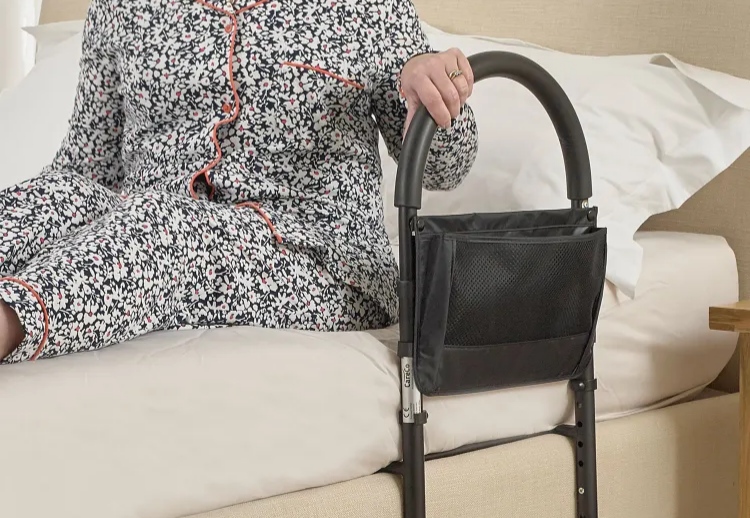
El envejecimiento global ya no es un tema lejano para la planificación sanitaria. Ya está cambiando la forma en que los hospitales, los proveedores de atención domiciliaria, los distribuidores y los proyectos de atención gubernamentales seleccionan productos básicos de asistenciaA medida que más adultos mayores optan por recuperarse o vivir en casa, la demanda se desplaza cada vez más desde las grandes instituciones médicas hacia los dormitorios, apartamentos, residencias de ancianos y centros de atención comunitaria.
¿Por qué las barandillas de cabecera sin necesidad de taladrar son la mejor opción para la adquisición de productos para el cuidado de personas mayores?
Barandillas de cabecera sin necesidad de taladrar Funcionan bien en la atención domiciliaria porque muchos espacios de atención no están construidos como hospitales. Las camas pueden ser de madera, metal, bajas, altas, alquiladas, compartidas o reemplazadas con frecuencia. En el sudeste asiático y otros mercados de atención domiciliaria de rápido crecimiento, los compradores pueden prestar servicios a domicilios particulares, pequeños centros de enfermería, clínicas de rehabilitación y proyectos comunitarios simultáneamente.
Las barandillas fijas para camas pueden ser útiles en algunos centros, pero no siempre son fáciles de promocionar a través de los canales de distribución. Los modelos que no requieren perforación son más flexibles. Por lo general, se pueden colocar, quitar, trasladar entre habitaciones y volver a guardar con menos dificultad.
Principales escenarios de aplicación B2B
Proyectos de atención domiciliaria y envejecimiento en el hogar
Quienes compran productos para el cuidado en el hogar suelen buscar soluciones para problemas pequeños pero recurrentes. Entrar y salir de la cama es uno de ellos. Una barandilla de cama facilita las transferencias, sentarse y los desplazamientos cortos de la cama al andador o la silla de ruedas.
En este mercado, los compradores no deben centrarse únicamente en el precio unitario más bajo. Deben comprobar si la barandilla es lo suficientemente sencilla para los cuidadores, si la posición del asa resulta natural y si la base se mantiene estable durante el uso diario.
Residencias de ancianos y centros de rehabilitación
Las residencias de ancianos y los centros de rehabilitación suelen dar mayor importancia al uso repetido del producto. Un mismo producto puede trasladarse de una cama a otra, limpiarse con frecuencia y ser manipulado por distintos miembros del personal. La barandilla no debería aflojarse rápidamente tras varias instalaciones.
En este contexto, el material del marco, el tratamiento de la superficie, los tornillos, el tamaño de la base y la cubierta del mango son factores importantes. Si la empuñadura de espuma se agrieta demasiado pronto o la base no se asienta firmemente, el producto podría generar más trabajo para el taller.
Para los compradores de proyectos, las barandillas de cabecera sin necesidad de taladrar son útiles porque se pueden añadir a las habitaciones existentes sin grandes modificaciones. Por eso son adecuadas para instalaciones antiguas, residencias de ancianos pequeñas y programas de cuidados temporales.
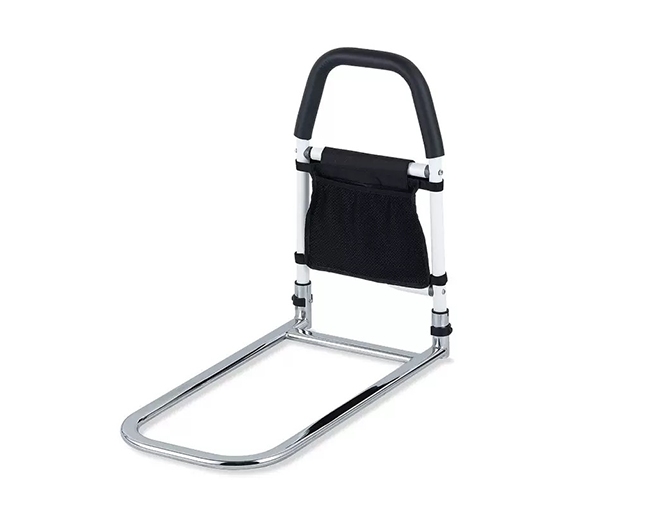
Xunyu MédicoLos pasamanos de cabecera de [nombre de la marca] son ideales para el cuidado en el hogar, el cuidado de personas mayores, la rehabilitación y para facilitar el movimiento en la cama. Cuentan con diferentes tipos de pasamanos fabricados en acero al carbono resistente. Sus modelos incluyen el XY-429, XY-318, XY-316 y XY-310. Si busca un equipo de seguridad confiable, fácil de instalar y que se adapte a sus necesidades, estos productos son una excelente opción.
Distribuidores y canales regionales de equipos médicos
Para los distribuidores, las barandillas de cabecera pueden convertirse en un producto habitual en la línea de atención domiciliaria. Son más fáciles de explicar que los dispositivos médicos altamente técnicos y se pueden vender junto con sillas de baño, andadores, muletas y sillas de ruedas.
Una gama práctica puede incluir una barandilla lateral de cama extraíble estándar, un modelo de acero al carbono más resistente y una versión con ajuste de altura o una bolsa de almacenamiento. Este tipo de gama permite una oferta de movilidad más completa y sin preocupaciones, sin complicar demasiado el inventario.
Especificaciones del producto que los compradores deben verificar
Material del marco y resistencia de los tubos
El acero al carbono es común en las barandillas de cama porque le da a la estructura una sensación de solidez a un precio razonable. Sin embargo, el acero al carbono por sí solo no es suficiente. Los compradores deben preguntar sobre el grosor del tubo, el recubrimiento, la soldadura, el peso, la estructura base y la capacidad de carga real.
Por ejemplo, el modelo XY-318 de Xunyu Medical utiliza una estructura principal de acero con alto contenido de carbono y tubos de 1,2 mm de espesor. Su base ensanchada y su capacidad de carga de 136 kg lo convierten en un punto de referencia más sólido para los compradores que comparan pasamanos desmontables para cama.
Estructura de instalación sin perforación
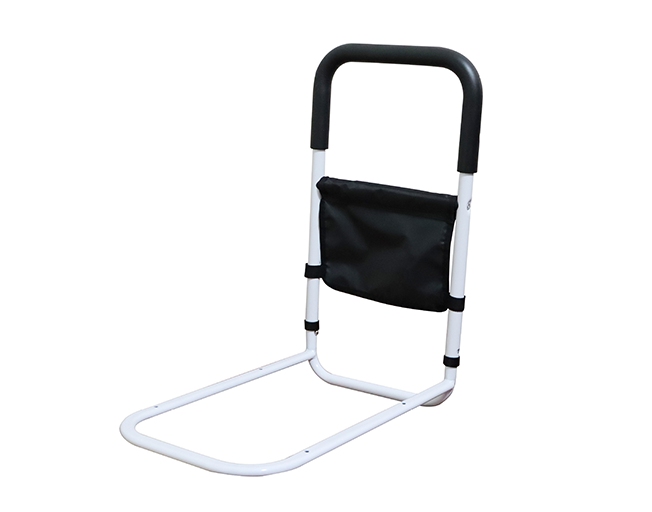
Su principal ventaja es que no requiere perforaciones, pero aun así es necesario revisar cuidadosamente la estructura. Algunos rieles se apoyan en una base de suelo. Otros se deslizan bajo el colchón. Algunos utilizan un marco de soporte más ancho para mejorar la estabilidad.
Los compradores deben confirmar con qué tipos de cama se adapta el producto. Esto es especialmente importante para los mercados del sudeste asiático, donde las camas domésticas pueden variar mucho en altura, estilo de estructura y grosor del colchón. Una barandilla que funciona bien en una cama de exhibición puede no ser adecuada para todos los hogares de acogida locales.
Detalles del asa, la base y la superficie antideslizante
El asa es una pieza pequeña, pero influye en la experiencia diaria. Las asas de espuma pueden resultar más cómodas para quienes necesitan apoyo al sentarse o levantarse de la cama. El agarre no debe torcerse ni deslizarse tras un uso repetido.
El diseño de la base también es importante. Una base más ancha suele proporcionar mejor contacto y soporte. Las almohadillas antideslizantes ayudan a reducir el movimiento en baldosas, madera o suelos lisos. Si el producto está destinado a tiendas de artículos para el hogar o canales de distribución, los compradores deben probar el riel en diferentes superficies.
Factores de pedidos al por mayor que los compradores deben confirmar
Cantidad mínima de pedido, muestras y selección de modelos
La cantidad mínima de pedido (MOQ) debe definirse según el modelo, el color, el embalaje y el nivel de personalización. Un modelo estándar puede tener una MOQ más flexible que una versión de marca propia con impresión de logotipo, cambios de color, etiquetas de código de barras o instrucciones multilingües.
Protección de embalaje y envío
Las barandillas de noche contienen piezas metálicas, bases, tornillos, asas y, a veces, bolsas de almacenamiento. Un embalaje deficiente puede provocar arañazos, piezas faltantes, marcos doblados o daños en el revestimiento. Para los distribuidores, estos no son problemas menores. Generan devoluciones, quejas y trabajo de reempaquetado.
Antes de realizar un pedido al por mayor, los compradores deben verificar el tamaño de la caja, la protección interna, la separación de las piezas, la colocación manual y si la caja exterior puede soportar el envío de exportación. Las etiquetas claras también ayudan al personal del almacén a diferenciar los modelos y evitar envíos mezclados.
Repuestos y asistencia posventa
Es posible que la barandilla de la cama necesite tornillos, almohadillas, asas de espuma, bolsas de almacenamiento u otras piezas pequeñas de repuesto. Los compradores deben preguntar si el proveedor puede proporcionar piezas de repuesto y si los diferentes modelos comparten componentes comunes.
Esto es fundamental para proyectos de movilidad sin preocupaciones. El objetivo no es solo entregar un lote, sino también que el producto sea fácil de mantener una vez que llegue a los hogares, residencias de ancianos y canales de distribución.
Cómo evaluar a un proveedor de rieles de cabecera sin necesidad de taladrar
Un proveedor debe ser evaluado por la consistencia de su producción, no solo por las fotos de sus productos. Los compradores deben verificar que la fábrica mantenga la soldadura del marco limpia, el recubrimiento estable, los orificios precisos y los accesorios completos.
También conviene comprobar si el proveedor ofrece una gama más amplia de productos para el cuidado en el hogar. Si una empresa puede proporcionar pasamanos para la cama, sillas de ruedas, muletas, sillas de baño y andadores, los compradores pueden elaborar un plan de compra más completo en lugar de tener que gestionar demasiados proveedores por separado.
Para las marcas, Soporte OEM y ODM También es importante confirmar estos detalles con anticipación. El logotipo, el color del marco, el diseño de la caja, los manuales, las etiquetas de código de barras y el idioma del mercado influyen en el proceso de venta final. En el sudeste asiático, los compradores pueden necesitar asistencia en inglés y en el idioma local para las instrucciones o el embalaje.
Xunyu Medical se presenta como una opción práctica para este tipo de compras. Su gama de pasamanos para mesilla de cama incluye modelos desmontables y de acero al carbono, mientras que su amplia variedad de productos facilita la selección de artículos para el cuidado en el hogar y la rehabilitación. Para los compradores que desean ampliar su catálogo de dispositivos de movilidad, esta cobertura de productos resulta muy útil.
Preguntas frecuentes
P1: ¿Qué deben comprobar los compradores antes de comprar al por mayor barandillas de cabecera sin necesidad de taladrar?
A1: Los compradores deben verificar el material del marco, el grosor del tubo, la estructura sin perforaciones, el tamaño de la base, el diseño del asa, la capacidad de carga, la protección del embalaje, las piezas de repuesto, la cantidad mínima de pedido (MOQ) y el control de calidad. Se recomienda probar muestras en tipos de camas comunes antes de confirmar pedidos grandes.
P2: ¿Se pueden personalizar las barandillas de cabecera sin necesidad de taladrar para distribuidores o marcas blancas?
A2: Sí. La personalización puede incluir logotipo, color del marco, diseño de la caja, etiquetas del producto, código de barras, idioma del manual y embalaje de accesorios. La cantidad mínima de pedido (MOQ) suele depender del modelo y del nivel de personalización. Los modelos estándar suelen ser más fáciles de pedir en lotes pequeños.
P3: ¿Son difíciles de instalar, mantener o reparar las barandillas de cabecera que no requieren taladrar después de la entrega?
A3: La mayoría de las barandillas de cabecera sin necesidad de taladrar están diseñadas para una instalación sencilla, pero aun así es importante contar con instrucciones claras. El mantenimiento suele consistir en revisar los tornillos, las asas de espuma, las almohadillas de las patas, la estabilidad de la base y el revestimiento de la superficie. El suministro de repuestos puede reducir la presión del servicio posventa para los distribuidores.
P4: ¿Por qué deberían los compradores considerar Xunyu Medical para pasamanos de cama y productos relacionados para el cuidado en el hogar?
A4: Xunyu Medical ofrece varias opciones de pasamanos para cama, incluyendo modelos desmontables y de acero al carbono como XY-429, XY-318, XY-316 y XY-310. Para distribuidores y compradores de proyectos, el valor no reside en un solo producto. La empresa también suministra sillas de ruedas, muletas, sillas de baño y andadores, lo que permite a los compradores crear una línea de productos más completa para el cuidado en el hogar y de personas mayores, con una coordinación más sencilla con los proveedores.


