

Quels sont les points à vérifier avant d'acheter des chaises de douche pour la sécurité des personnes âgées dans la salle de bain ?
Date : 6 juillet 2026 Vue : 542
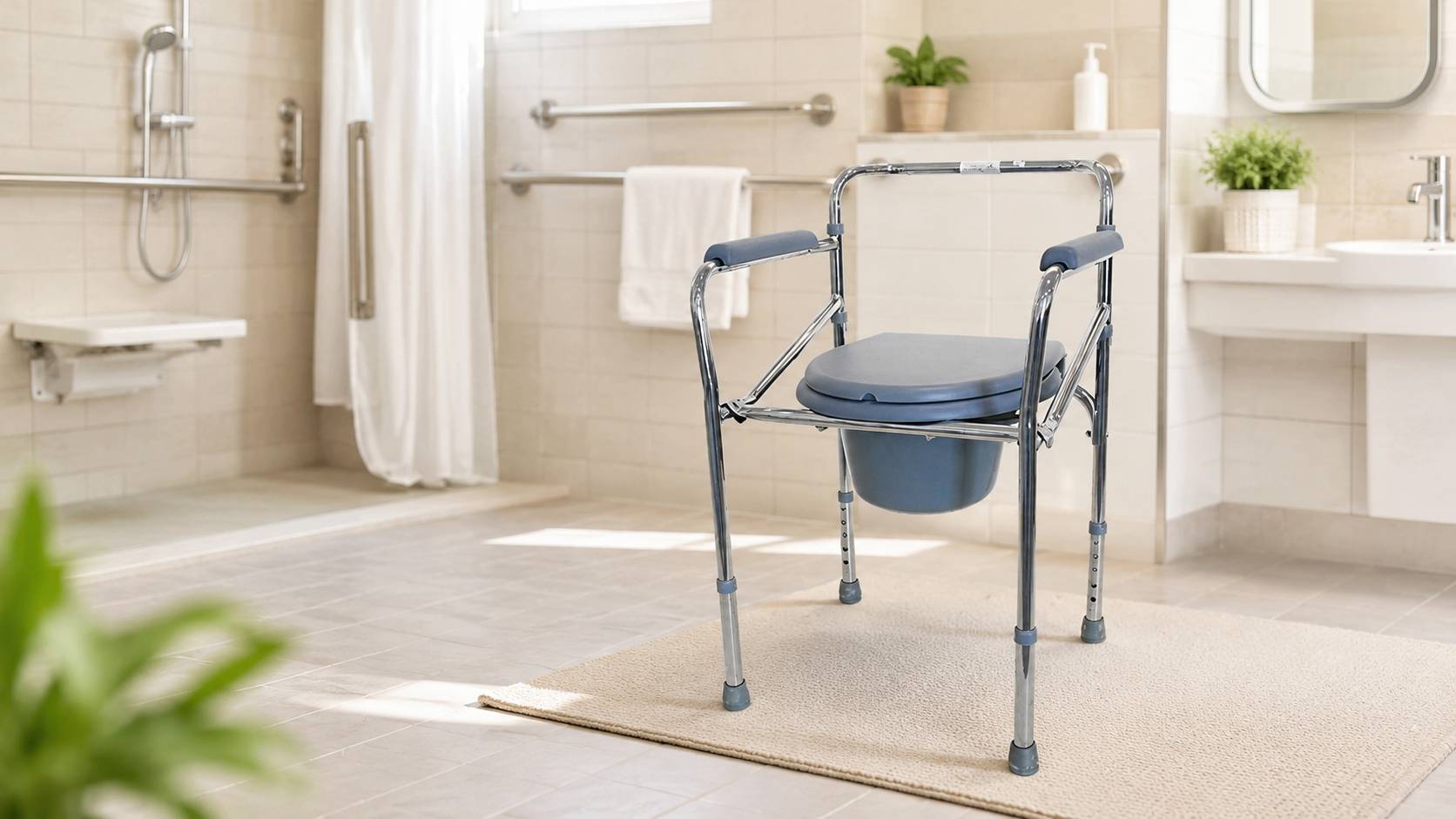
Les salles de bains demeurent l'un des espaces les plus difficiles à gérer pour les établissements de soins aux personnes âgées. Un résident peut marcher avec assurance dans un couloir, mais éprouver des difficultés à entrer dans une salle d'eau, à se retourner près des toilettes ou à se relever après le bain. Pour les établissements de soins, il ne s'agit pas seulement d'un problème de matériel. Cela a des répercussions sur la charge de travail du personnel, l'aide à la toilette, les protocoles de nettoyage et la confiance des familles. Un siège de douche avec abattant intégré peut faciliter une utilisation en position assise plus sûre, à condition que sa conception soit adaptée à l'agencement de la salle de bains et à la condition physique de l'utilisateur. Les acheteurs de matériel médical doivent donc vérifier la stabilité, la conception du siège, la plage de hauteur, la facilité de rangement et le service après-vente du fournisseur avant d'ajouter un modèle à la liste des fournitures d'un établissement de soins.
Pourquoi le choix du siège de douche a-t-il une incidence sur la sécurité des salles de bains dans les établissements de soins ?
Les équipements de sécurité pour la salle de bain sont souvent achetés suite à une chute, une demande de sortie d'hôpital ou des travaux de rénovation. Ce contexte peut inciter les acheteurs à prendre des décisions de remplacement hâtives. Une approche plus fiable consiste à analyser comment les personnes âgées se déplacent dans la salle de bain, comment les soignants les assistent et à quelle fréquence le siège doit être nettoyé, plié, déplacé ou réattribué.
Les mouvements dans les salles de bains humides modifient le profil de risque
Une salle de bain n'est pas un lieu où l'on s'assoit habituellement. Le sol peut être mouillé, les personnes peuvent être pieds nus et les aidants peuvent avoir peu d'espace pour se tenir debout à côté de la personne âgée. Même un fauteuil robuste peut poser problème si la hauteur d'assise est inadaptée, si les accoudoirs ne facilitent pas les transferts ou si le cadre prend trop de place près des toilettes. Lors de la planification de la sécurité des salles de bain pour les personnes âgées, l'acheteur doit examiner l'ensemble du trajet : du lit à la salle de bain, des toilettes à la douche, puis de la position assise pour se laver à la position debout.
L'acquisition d'un siège de douche doit d'abord tenir compte des capacités de l'utilisateur. La personne peut-elle s'asseoir en s'appuyant sur ses bras ? A-t-elle besoin d'aide pour se relever après la toilette ? A-t-elle besoin d'aide pour aller aux toilettes la nuit ? Un siège de toilette peut servir à plusieurs usages, mais il ne doit pas être considéré comme une solution universelle pour tous les résidents.
L'aide à la toilette doit correspondre aux routines de soins.
De nombreux établissements de soins proposent une assistance à la toilette et aux soins d'hygiène au chevet du résident. Un résident peut utiliser la douche le matin, mais avoir besoin d'aide rapidement près du lit ou des toilettes le soir. Un produit permettant d'assister le résident dans ces deux situations peut éviter la multiplication des équipements dans les petites chambres. Il est toutefois important de vérifier que l'ouverture, l'assise et le dossier sont adaptés à l'usage prévu.
Un fauteuil d'aide à la toilette ne doit pas donner l'impression d'être un dispositif d'urgence temporaire. Il doit être suffisamment stable pour une utilisation quotidienne, facile à positionner et simple à expliquer au personnel. Des couleurs neutres et une assise ferme peuvent également faciliter son adoption au quotidien.
Le flux de travail du personnel est aussi important que le confort de l'utilisateur
Les achats en établissement de soins diffèrent des achats à domicile. Le personnel peut manipuler la même chaise à plusieurs reprises au cours d'un même service : la plier, la déplacer, la nettoyer ou vérifier la hauteur avant qu'un autre résident ne l'utilise. Si le produit est difficile à inspecter, des coûts cachés apparaissent ultérieurement.
C’est pourquoi une chaise de bain avec dossier et accoudoirs doit être considérée comme un outil pratique, et non seulement comme un produit de confort. Les acheteurs doivent se demander si la chaise se déplace sans avoir à la soulever de manière inconfortable et si l’assise se nettoie facilement, sans risque d’irritation des bords.
Quels détails structurels les acheteurs doivent-ils examiner avant de passer commande ?
Une fois le besoin de l'utilisateur clairement défini, l'étape suivante consiste à examiner la structure du produit. Les établissements de soins ne doivent pas se baser uniquement sur le prix et les photos de catalogue. Un siège de douche pratique doit faciliter le transfert en position assise, le rangement, le nettoyage, le réglage en hauteur et la réutilisation. Ces caractéristiques déterminent si le produit convient à un environnement de soins professionnel.
Finition du cadre et rangement latéral pliable
Un cadre en acier plaqué est idéal lorsque les acheteurs recherchent une structure robuste et une surface facile à nettoyer. Dans un environnement humide, le cadre ne doit présenter aucune zone rugueuse exposée susceptible de retenir la saleté ou de gêner l'inspection. Lors de l'examen des échantillons, les acheteurs doivent vérifier les joints, les points de pliage et les zones de contact.
Une chaise de douche pliable doit également présenter un format de rangement adapté aux chambres des établissements de soins. Un pliage d'avant en arrière peut laisser un encombrement important, tandis qu'un pliage latéral facilite le rangement contre un mur, dans une salle de nettoyage ou près d'un poste de soins. Le personnel doit pouvoir plier la chaise sans avoir à la soulever entièrement.
Support de l'assise, du dossier et des accoudoirs
L'assise est le premier élément que les utilisateurs jugent. Un plastique fin peut sembler instable, surtout lorsqu'on s'assoit lentement et que l'on répartit son poids de façon inégale. Une assise moulée par soufflage offre un meilleur maintien et une surface d'appui plus large, ce qui est important pour les personnes âgées qui ont des difficultés à s'asseoir. Il est également conseillé de vérifier si l'assise se nettoie facilement après utilisation des toilettes ou du bain.
Le dossier et les accoudoirs aident l'utilisateur à s'installer confortablement et à se préparer à se lever. Une chaise de bain avec dossier et accoudoirs peut également réduire la fatigue du personnel soignant, car celui-ci n'a pas besoin de fournir autant de soutien latéral lors des transferts en position assise.
Réglage de la hauteur et posture de transfert
La hauteur du siège influe sur l'effort nécessaire pour s'asseoir et se lever. Si le siège est trop bas, les genoux se fléchissent fortement et se lever devient plus difficile. Si le siège est trop haut, l'utilisateur peut se sentir instable avant même de s'asseoir. Un siège de douche réglable en hauteur permet aux équipes soignantes d'adapter le siège aux différents utilisateurs, aux toilettes et à la configuration de la salle de bain.
Pour les acheteurs B2B, le réglage doit également tenir compte du risque d'erreur humaine. Les goupilles ou points de réglage doivent être facilement identifiables visuellement. La formation du personnel doit porter sur la hauteur des jambes, la stabilité du siège au sol et le verrouillage sécurisé. L'utilisation d'une chaise percée par plusieurs résidents ne doit jamais reposer sur des suppositions.
Comment le siège de douche avec siège de toilette XY-894 s'intègre-t-il dans l'approvisionnement en soins aux personnes âgées ?
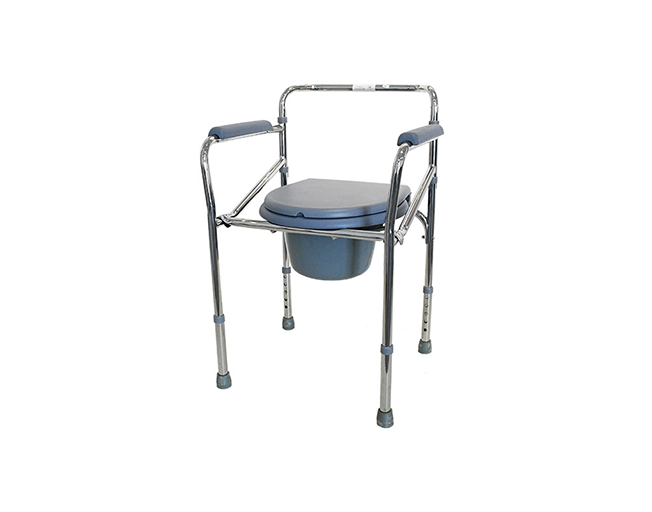
Le choix d'un produit est facilité lorsque les acheteurs associent ses fonctionnalités aux besoins spécifiques de chaque besoin. Dans ce cas, l'important n'est pas de savoir si le produit possède de nombreuses fonctions, mais si chacune d'elles répond à un besoin courant : aide à la position assise, aide à l'utilisation des toilettes, adaptation de la hauteur, rangement, nettoyage et acceptation par l'utilisateur.
Configuration du produit pour les scénarios de soins mixtes
Xunyu Médical fournit des dispositifs d'assistance pour les soins aux personnes âgées, notamment des chaises de douche, des fauteuils roulants, des béquilles, des aides à la marche et des produits d'aide à l'utilisation des toilettes. Pour l'approvisionnement en équipements de sécurité pour la salle de bain, Chaise de douche avec siège toilette XY-894 Ce fauteuil roulant est conçu pour les personnes âgées ayant besoin d'un soutien pour la toilette en position assise et pour l'utilisation des toilettes au lit. Il est doté d'un cadre renforcé, d'un système de pliage latéral, d'un siège moulé par soufflage, d'un réglage en hauteur sur 5 niveaux et est disponible en gris ou en blanc.
Cette combinaison est pertinente pour les établissements de soins, car un seul produit peut s'avérer utile dans plusieurs situations quotidiennes. Un résident peut l'utiliser au chevet de son lit la nuit, près des toilettes lors de soins assistés, ou dans une salle de bain où la position assise est plus sûre que la position debout. Le choix du produit doit néanmoins être effectué avec soin.
Entreposage et relocalisation quotidienne des installations
Le rangement est souvent négligé lors des achats, bien que son importance se fasse rapidement sentir au quotidien. Les établissements de soins peuvent disposer d'un espace de rangement limité dans les salles de bains, de locaux techniques partagés et de couloirs étroits. Un siège de toilette pliable latéralement permet de gagner de la place lorsqu'il n'est pas utilisé. Il facilite également les déplacements du personnel lors du nettoyage.
Les options de gris et de blanc ont également plus d'importance qu'il n'y paraît. Une finition neutre s'intègre mieux dans les chambres de soins qu'une couleur médicale à fort contraste. Pour les résidents âgés, le produit doit être rassurant sans pour autant donner à la pièce l'aspect d'une chambre d'hôpital temporaire. Cette atmosphère bienveillante favorise la coopération au quotidien.
Communication des soins et planification par catégorie
Une seule page produit répond rarement à toutes les questions relatives à l'approvisionnement. Les acheteurs ont également besoin du contexte de la catégorie, de la planification des commandes et des termes de formation du personnel. Plus le contexte est large, plus les informations sont nombreuses. gamme de chaises de bain Cela permet aux équipes d'approvisionnement de comparer différents modèles de sièges au lieu d'imposer un seul modèle dans chaque pièce. Certains utilisateurs peuvent avoir besoin d'un siège de douche simple ; d'autres peuvent avoir besoin d'un appui-toilette, d'accoudoirs ou d'un système de transfert plus robuste.
Les établissements de soins devraient également assurer la compatibilité des équipements de salle de bain avec les aides à la mobilité. Un résident ayant besoin d'un siège de salle de bain peut aussi avoir besoin d'une canne, d'une béquille ou d'un fauteuil roulant pour se déplacer de son lit à la salle de bain. Une prise en charge multicatégorielle permet aux acheteurs de composer un plan de soins plus cohérent.
Quels contrôles en matière d'approvisionnement permettent de réduire les problèmes après-vente ?
Avant de confirmer une commande groupée, les centres de soins devraient intégrer les caractéristiques du produit à une procédure d'inspection simple. Cela permet de réduire les utilisations inappropriées, les réclamations répétées et la confusion du personnel après la livraison.
Il convient tout d'abord de préciser le groupe d'utilisateurs cibles. Le dispositif XY-894 est destiné aux personnes âgées ayant besoin d'un soutien pour la toilette en position assise, d'une aide pour les toilettes au lit et d'un appui-bras lors des transferts. Il ne doit pas être présenté comme une solution complète de prévention des chutes.
Deuxièmement, vérifiez la stabilité du cadre et le mécanisme de pliage. Le personnel doit s'assurer que le cadre plaqué s'ouvre fermement, se plie latéralement sans difficulté et reste stable après plusieurs repositionnements.
Troisièmement, vérifiez le confort du siège et la facilité de nettoyage. Le siège, le dossier, les accoudoirs et l'ouverture des toilettes, moulés par soufflage, doivent être faciles à essuyer après le bain ou l'utilisation des toilettes.
Quatrièmement, standardiser le réglage en hauteur. Le réglage en hauteur à 5 niveaux est utile pour une utilisation par différents utilisateurs, mais le personnel doit s'assurer que la hauteur des jambes est identique et que le verrouillage est bien en place avant utilisation.
Enfin, préparez un guide d'utilisation clair. Les acheteurs doivent expliquer dans quels cas le fauteuil convient, comment le régler et quand l'assistance d'un aidant est encore nécessaire. Les équipes d'approvisionnement qui ont besoin d'une comparaison des modèles ou de détails sur le service peuvent le faire. demander une assistance pour l'équipement du centre de soins avant de confirmer une commande.
En conclusion, les établissements de soins devraient choisir leurs chaises de douche en tenant compte des besoins réels des résidents, et non en se basant uniquement sur les images des catalogues. Le modèle XY-894 offre un profil pratique et sécurisé pour les personnes âgées, grâce à ses fonctions pratiques : siège de toilette, rangement latéral pliable, structure renforcée, assise moulée par soufflage, hauteur réglable sur 5 niveaux et coloris neutres. Pour les acheteurs professionnels, le meilleur choix est celui qui s’adapte simultanément aux besoins du résident, à la configuration de la pièce et aux procédures de soins.


