

Quel modèle de fauteuil roulant sera le plus adapté aux voyageurs fréquents en 2026 ?
Date : 14 juillet 2026 Vue : 648
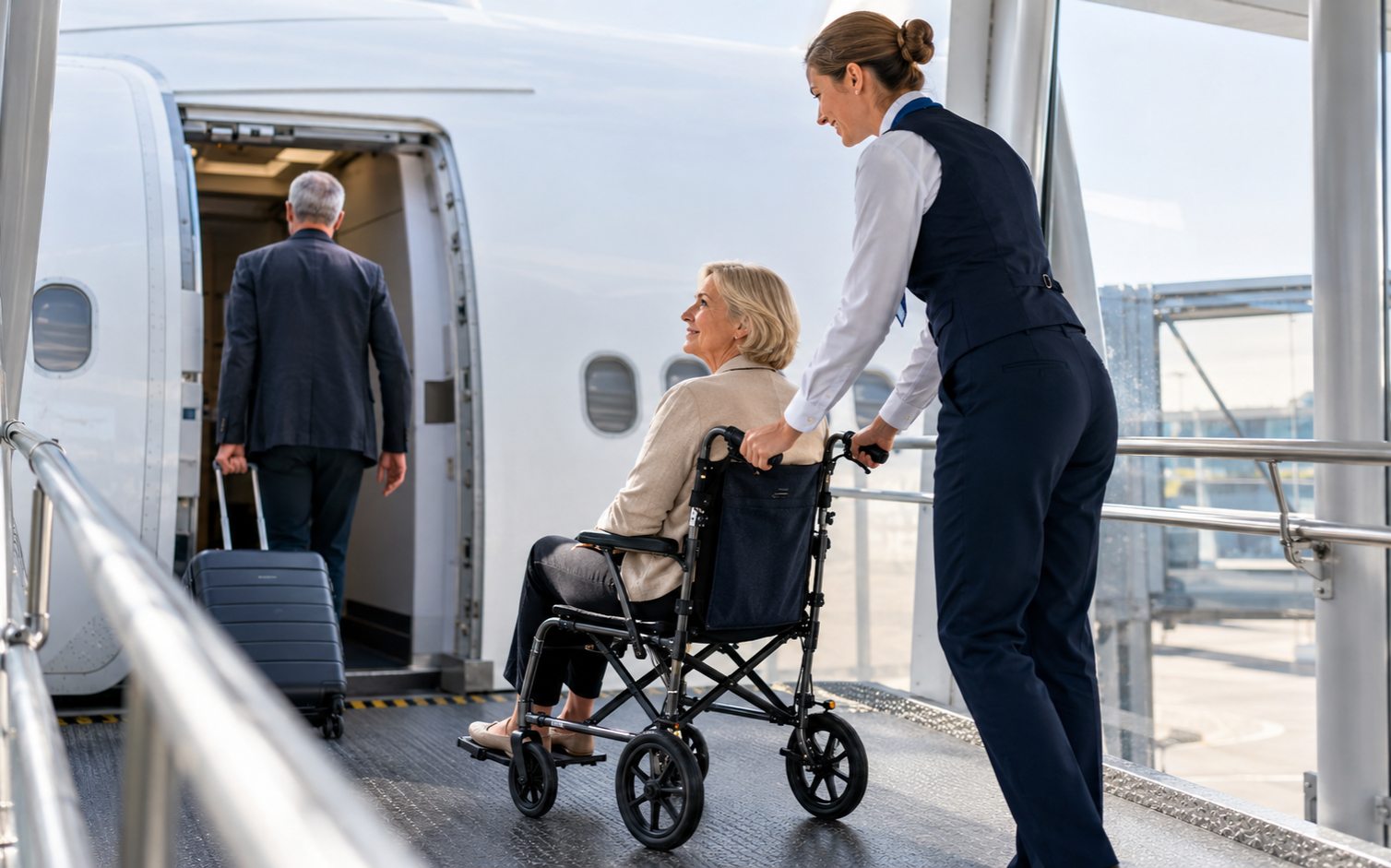
Pour les voyageurs fréquents, fauteuil roulant Aujourd'hui, la conception des fauteuils roulants ne se limite plus à la simple mobilité. Les acheteurs doivent prendre en compte les déplacements à l'aéroport, le chargement en véhicule, le rangement à l'hôtel, le pliage répété et le confort lors des longs trajets. Avant de comparer différents modèles, il est utile d'analyser comment les habitudes de voyage influencent les achats de fauteuils roulants en 2026.
L’évolution des besoins des voyageurs fréquents en fauteuil roulant
Les voyages internationaux sont devenus plus inclusifs. Pourtant, les voyageurs fréquents en fauteuil roulant continuent de faire face à des défis évolutifs.
Les difficultés de voyage rencontrées par les utilisateurs de fauteuils roulants
Les voyageurs en fauteuil roulant sont souvent confrontés à des normes d'accessibilité incohérentes dans les aéroports, les hôtels et les transports en commun. Les terminaux d'aéroport peuvent être dépourvus d'équipements d'embarquement adaptés et présenter des allées étroites qui limitent la circulation. Les hôtels proposent très différemment ce qu'ils appellent des « chambres accessibles ». Cette situation engendre des difficultés inattendues pour les voyageurs ayant besoin de structures d'appui fiables.
La demande de fauteuils roulants légers, résistants et faciles à plier est croissante. Le voyageur doit pouvoir se déplacer facilement sans sacrifier son confort. Par exemple, les fauteuils roulants dotés de alliage d'aluminium Les cadres en fibre de carbone permettent de les transporter dans des espaces restreints comme le coffre d'une voiture ou la cabine d'un avion. C'est particulièrement important lors de longs voyages. Une bonne posture et un rembourrage adapté sont essentiels à cet égard.
L'évolution de la technologie des fauteuils roulants pour une mobilité optimale en déplacement
Les nouvelles technologies ont révolutionné les déplacements des personnes en fauteuil roulant. Aujourd'hui, ces fauteuils sont équipés de systèmes de géolocalisation intelligents, de batteries modulaires et de mécanismes de pliage instantané, ce qui simplifie considérablement leur transport.
De nouveaux matériaux tels que les alliages d'aluminium à haute résistance et la fibre de carbone permettent de réduire le poids total. Parallèlement, ils améliorent la durabilité face aux cycles de pliage fréquents. Par exemple, Xunyu MédicalLe fauteuil roulant électrique XY-D02L en fibre de carbone pure est doté d'un cadre principal en fibre de carbone, d'un système de pliage rapide à une touche et d'un boîtier de batterie amovible. Sa conception est idéale pour les voyageurs recherchant à la fois robustesse et flexibilité.
Caractéristiques clés qui définissent un fauteuil roulant adapté aux voyages
Choisir un fauteuil roulant de voyage nécessite une évaluation minutieuse de sa conception structurelle, de sa conformité aux réglementations des compagnies aériennes et de l'optimisation du confort.
Construction légère et mécanismes de pliage compacts
Les responsables des achats privilégient de plus en plus les modèles à châssis en aluminium ou en fibre de carbone. Ces châssis offrent un excellent rapport poids/résistance. Le châssis en alliage d'aluminium haute résistance soudé présente quant à lui la légèreté et la résistance à la corrosion. Ces matériaux facilitent également la manutention lors des contrôles douaniers ou des transferts de véhicules.
Les systèmes de pliage rapide constituent une autre caractéristique importante. Un mécanisme de pliage en un clic permet aux utilisateurs de replier rapidement leur fauteuil roulant avant de prendre l'avion ou le train. Cependant, la légèreté de la conception peut parfois réduire la résistance structurelle en cas d'utilisation intensive. C'est pourquoi il est essentiel de vérifier la résistance à la fatigue par des tests de pliage répétés avant l'achat.
Efficacité des batteries et conformité aux normes des compagnies aériennes pour les fauteuils roulants électriques
Pour les modèles motorisés, la sécurité des batteries demeure une préoccupation majeure en raison des restrictions de la FAA concernant les cellules lithium-ion lors des voyages en avion. Les systèmes de batteries modulaires facilitent leur retrait avant l'enregistrement et contribuent au respect des normes des compagnies aériennes. Ce modèle est alimenté par des batteries lithium ternaires durables.
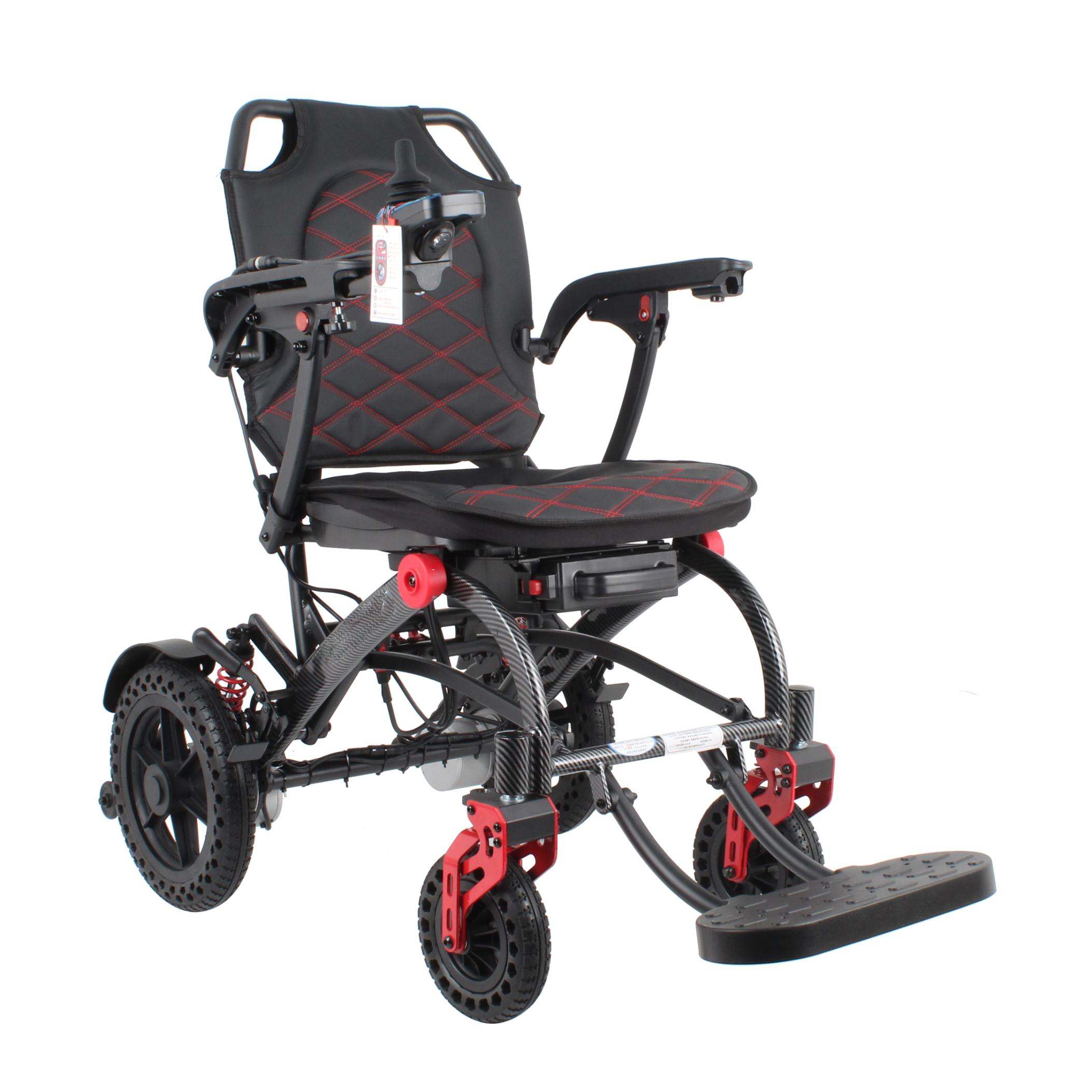
Les moteurs à haut rendement énergétique jouent également un rôle clé dans la mobilité longue distance. Fauteuil roulant électrique XY-D08L Il utilise deux moteurs sans balais de 150 W à économie d'énergie dynamique, offrant un rendement de transmission de puissance jusqu'à 85 %. Ces moteurs garantissent des performances fiables en montée tout en préservant l'autonomie de la batterie sur de nombreux trajets.
Confort, ergonomie et adaptabilité lors des longs trajets
Le confort devient essentiel lorsque les voyageurs passent des heures à se déplacer dans les aéroports ou les rues des villes. Des matériaux de rembourrage de haute qualité, comme du tissu Oxford épais ou cuir respirant Contribue à réduire la fatigue liée à une position assise prolongée. Les dossiers, accoudoirs et repose-pieds réglables permettent un alignement postural personnalisé en fonction de la taille de l'utilisateur ou de ses préférences.
La barre d'appui est relevable pour faciliter l'entrée et la sortie du véhicule, à gauche comme à droite, sans avoir à se pencher pour recharger. Les systèmes de suspension réduisent davantage les vibrations sur les terrains accidentés. Cette caractéristique est particulièrement importante pour les utilisateurs circulant sur des pavés ou des rampes d'aéroport à l'étranger.
Comparaison des fauteuils roulants manuels et électriques pour les voyageurs fréquents
Avantages des fauteuils roulants manuels
Les fauteuils roulants manuels de voyage, comme le modèle XY-865-16, séduisent les utilisateurs recherchant la simplicité et l'absence de composants électriques. Leur cadre est fabriqué en alliage d'aluminium haute résistance soudé, avec des tubes de 22 mm de diamètre et de 2 mm d'épaisseur. Ces fauteuils sont plus faciles à transporter car ils ne sont pas soumis aux restrictions des compagnies aériennes concernant les batteries.
Leurs dossiers pliables optimisent l'espace de chargement tout en assurant un maintien stable grâce à une structure en poutres en I qui absorbe les vibrations en mouvement. L'entretien reste minimal comparé aux modèles électriques. Ils sont donc parfaitement adaptés aux courts déplacements professionnels ou aux régions dépourvues d'infrastructures de recharge.
Avantages des fauteuils roulants électriques
Pour les personnes nécessitant plus d'autonomie et de mobilité, il existe des fauteuils roulants électriques compacts, pratiques et portables. Grâce à leur système de batterie amovible et à leur cadre pliable, les fauteuils roulants électriques pliables sont devenus aussi portables que les fauteuils roulants manuels. Ils sont équipés de technologies intelligentes, comme des télécommandes sans fil.
Conseils d'achat pour les commandes de fauteuils roulants des voyageurs fréquents
Choisir un modèle de fauteuil roulant adapté aux voyageurs fréquents nécessite une évaluation structurée qui va au-delà des spécifications de base ou des comparaisons de prix.
Choisissez d'abord le type de fauteuil roulant adapté au scénario de voyage.
Les équipes d'approvisionnement doivent commencer par regrouper les scénarios d'utilisation, comme les vols court-courriers et les séjours prolongés à l'étranger. Cette étape leur permet de déterminer si les configurations manuelles ou électriques correspondent mieux aux attentes des utilisateurs finaux.
Ne choisissez pas uniquement en fonction du poids léger.
Bien que la légèreté améliore la manutention, les matériaux trop fins peuvent perdre en durabilité sous l'effet de contraintes répétées. Le chargement quotidien dans des véhicules ou sur les convoyeurs d'aéroport génère ce type de contraintes.
Test de taille pliée, de stabilité du freinage et de performances de pliage répétées
Avant de passer des commandes importantes, les équipes doivent effectuer des essais physiques. Ces essais portent sur les dimensions une fois pliées, comparées à celles des compartiments à bagages standard. Ils vérifient également la fiabilité du freinage sous différentes charges. Le système de freinage principal utilise un dispositif de freinage à coude, qui immobilise le véhicule après le freinage.
Utiliser un modèle d'approvisionnement mixte pour couvrir différents utilisateurs de voyages
Les distributeurs qui desservent une clientèle diversifiée doivent proposer un inventaire varié. Par exemple, ils peuvent combiner des fauteuils manuels légers comme le XY-865-20 avec des modèles électriques compacts tels que… XY-D13TCette approche leur permet de servir à la fois les utilisateurs autonomes et ceux qui ont besoin d'assistance.
Élaborez des plans d'approvisionnement à long terme avec des modèles faciles à maintenir
Choisir des fabricants qui accordent une grande importance au service après-vente garantit le bon déroulement des projets. Depuis sa création, Xunyu Medical a toujours misé sur l'innovation technologique, développant des produits répondant aux besoins réels des personnes âgées grâce à une conception optimisée. Son engagement envers l'assurance qualité facilite la maintenance.
FAQ (questions fréquentes)
Q1 : Quel type de fauteuil roulant est le plus adapté aux voyageurs aériens fréquents ?
A1 : Les fauteuils roulants électriques légers et pliables comme le modèle XY-D02L Pure Carbon Fiber de Xunyu sont idéaux grâce à leurs batteries au lithium détachables conformes aux réglementations des compagnies aériennes et à leurs cadres en fibre de carbone robustes mais portables.
Q2 : Comment les équipes d'approvisionnement peuvent-elles garantir la longévité des produits malgré une utilisation fréquente ?
A2 : Choisissez des modèles construits à partir d'alliages d'aluminium renforcés testés sous des cycles de pliage répétés ; vérifiez les certifications de qualité du fournisseur avant de conclure des contrats d'achat en gros.
Q3 : Les pièces de rechange sont-elles facilement disponibles à l'international ?
A3 : Oui. Xunyu Medical exporte ses produits dans le monde entier, notamment en Europe, en Amérique, au Moyen-Orient et en Asie-Pacifique, et maintient des canaux d'approvisionnement via des plateformes majeures, garantissant un accès rapide aux composants de rechange.
Q4 : Quelles routines d'entretien les distributeurs devraient-ils recommander ?
A4 : Des inspections régulières tous les six mois, axées sur la lubrification des joints et les essais de freins, sont recommandées ; le nettoyage doit utiliser des détergents neutres au lieu de solvants volatils, comme spécifié dans les manuels du fabricant.


