

Guida alla regolazione dell'altezza del deambulatore per l'assistenza domiciliare agli anziani.
Data: 24 agosto 2026 Visualizzazione : 707

L'assistenza alla deambulazione in ambienti interni spesso sembra semplice finché un utente non si trova a dover affrontare una situazione come una svolta in un corridoio stretto, un altro ad alzarsi da una sedia a tavola e un terzo ad aver bisogno dello stesso deambulatore regolato a un'altezza diversa. Per distributori, fornitori di ausili per la riabilitazione e strutture di assistenza, queste differenze influiscono ben più del semplice comfort. Un deambulatore regolato troppo in alto o troppo in basso può alterare la postura, la posizione delle mani, il controllo della rotazione e la sicurezza con cui il personale può utilizzare il dispositivo. La questione cruciale al momento dell'acquisto non è quindi solo se un prodotto è regolabile, ma anche se il sistema di regolazione è chiaro, ripetibile e facile da verificare sia al momento della ricezione che durante l'uso quotidiano. Un piano pratico per la regolazione dell'altezza del deambulatore dovrebbe tenere conto dell'adattamento all'utente, delle condizioni del percorso in ambienti interni, dei controlli di bloccaggio, dei requisiti di piegatura e della coerenza dei lotti. Questo approccio aiuta gli acquirenti a specificare un prodotto che può essere assegnato con maggiore precisione a programmi di assistenza domiciliare, contesti riabilitativi e strutture per anziani, senza dover ricorrere a una generica descrizione "taglia unica".
Perché l'altezza del deambulatore è importante nelle strutture residenziali per anziani?
I percorsi interni sono brevi, ma prevedono frequenti partenze, svolte, trasferimenti da una sedia all'altra e cambi di direzione. La posizione delle maniglie influenza il modo in cui l'utente affronta questi movimenti, mentre l'ingombro del telaio influisce sulla capacità del deambulatore di adattarsi a mobili e porte. I team di approvvigionamento dovrebbero considerare la regolazione dell'altezza come parte integrante delle specifiche complete per l'uso interno, piuttosto che come una caratteristica secondaria elencata in un preventivo.
La posizione dell'impugnatura deve supportare un montaggio ripetibile
L'altezza della maniglia specifica per l'utente deve essere stabilita tramite un'applicazione professionale o seguendo il protocollo di cura applicabile. Dal punto di vista dell'approvvigionamento, il punto importante è la ripetibilità: il personale deve identificare la posizione selezionata, impostare nuovamente la stessa altezza dopo aver piegato o riassegnato il prodotto e verificare che entrambi i lati rimangano allineati.
Un'altezza errata del manubrio può rendere meno costante il posizionamento del deambulatore e dovrebbe essere corretta tramite un adattamento professionale o seguendo il protocollo di cura appropriato. Tali osservazioni non dovrebbero essere trasformate in affermazioni cliniche. Piuttosto, un deambulatore regolabile dovrebbe offrire al personale di assistenza un modo pratico per adattare la struttura ai diversi utenti, mantenendo l'impostazione visibile e facile da controllare.
La regolazione dell'altezza deve essere verificata con l'intero percorso
Un'altezza che sembra accettabile accanto a una sedia dovrebbe comunque essere valutata in base al percorso interno effettivo. Curve strette, spazi vicino al letto, zone pranzo, ingressi dei bagni e punti di stoccaggio possono modificare il modo in cui l'utente posiziona il deambulatore. Un deambulatore per corridoi stretti necessita di spazio sufficiente per girare senza costringere il personale a inclinare o ruotare il deambulatore.
Per gli ausili alla deambulazione destinati agli anziani, la valutazione del percorso dovrebbe includere il punto di partenza del deambulatore, il luogo in cui viene riposto e se l'utente deve passare tra i mobili. Questi dettagli possono rivelare se la larghezza del telaio e la posizione delle maniglie scelte sono adatte all'ambiente previsto.
Utenti diversi necessitano di regole di assegnazione chiare
Le strutture di assistenza e i distributori possono servire utenti di diverse altezze senza voler gestire un gran numero di referenze. Per questo motivo, il sistema di regolazione diventa parte integrante della pianificazione delle scorte. La scheda prodotto dovrebbe indicare quante posizioni di altezza sono disponibili, come viene bloccata la posizione selezionata e come il personale può verificare che l'impostazione non sia cambiata.
Un processo di assegnazione chiaro riduce anche le incertezze quando un deambulatore viene spostato tra diversi utenti. Etichette, semplici note di montaggio o registri di ricezione possono aiutare il personale a distinguere la configurazione del prodotto dal singolo adattamento clinico.
Come dovrebbero gli acquirenti controllare un deambulatore regolabile prima dell'uso?
Una struttura regolabile offre una flessibilità utile, ma crea anche punti di controllo. I fori di regolazione, i pulsanti di bloccaggio, i telai laterali, le impugnature, le ruote e i giunti pieghevoli devono funzionare in modo coerente. Per gli acquirenti B2B, l'obiettivo non è quello di effettuare una valutazione clinica al momento della ricezione, bensì di verificare che il prodotto si comporti allo stesso modo del campione approvato e che possa essere regolato senza posizioni allentate o incerte.
Le impostazioni di altezza e i punti di bloccaggio necessitano di verifiche funzionali.
Durante la verifica del campione, ogni posizione di altezza deve essere azionata e non semplicemente contata. Il meccanismo di bloccaggio deve innestarsi completamente, tornare in posizione in modo coerente e mantenere l'impostazione selezionata senza movimenti visibili durante il normale utilizzo. Entrambi i lati devono essere controllati allo stesso livello in modo che il telaio non risulti inclinato.
Un controllo della regolazione in altezza di un deambulatore può anche individuare fori di regolazione irregolari, innesti non uniformi, allentamenti dopo ripetute regolazioni o impostazioni difficili da identificare. Questi sono punti di controllo qualità pratici perché gli stessi componenti possono essere regolati molte volte in ambienti istituzionali o dimostrativi in negozio.
I telai a due ruote necessitano di una revisione specifica per il percorso
Un deambulatore a due ruote si comporta in modo diverso da un deambulatore a quattro ruote o da un telaio senza ruote. Le ruote anteriori possono ridurre la necessità di sollevare l'intera struttura durante il movimento in avanti, mentre i punti di appoggio posteriori richiedono comunque un posizionamento controllato. Gli acquirenti dovrebbero quindi scegliere il tipo di ruote in base al percorso previsto e alle esigenze dell'utente, anziché considerare tutti i deambulatori come intercambiabili.
Per i programmi di utilizzo di deambulatori in ambienti interni, i controlli a campione possono includere il movimento in linea retta, la rotazione attorno ai mobili, l'ingresso attraverso le porte comuni e il riposizionamento accanto a una sedia. L'obiettivo è identificare eventuali problemi pratici di spazio o di controllo prima che un grande quantitativo venga assegnato a una struttura o a una rete di distribuzione.
La piegatura dovrebbe essere testata come parte della gestione quotidiana
Un deambulatore pieghevole può essere riposto dietro una porta, in un veicolo o in un locale tecnico tra un utilizzo e l'altro. Il meccanismo di chiusura deve pertanto essere incluso nei controlli di accettazione. Il personale può verificare che il telaio si apra completamente, si chiuda senza opporre resistenza anomala e ritorni in una posizione di funzionamento stabile dopo essere stato riposto.
La piegatura influisce anche sull'etichettatura e sulla successiva movimentazione. Se un prodotto viene spedito o immagazzinato piegato, le istruzioni devono indicare chiaramente la sequenza di apertura e i punti di bloccaggio, in modo che il personale addetto alla ricezione e i canali di distribuzione finali possano riconoscerli.
Quali condizioni interne dovrebbero includere gli acquirenti nelle specifiche?
L'assistenza agli anziani in ambienti chiusi non è un ambiente uniforme. Un appartamento privato, un corridoio di riabilitazione, una stanza in una residenza assistita, una farmacia e un'area ambulatoriale possono presentare vincoli molto diversi in termini di spazio di manovra, pavimentazione e stoccaggio. Gli acquirenti possono migliorare l'abbinamento dei prodotti descrivendo tali condizioni nella richiesta di offerta, anziché affidarsi solo a termini generici come "uso domestico" o "deambulatore per anziani".
Porte, corridoi e mobili definiscono lo spazio utilizzabile.
Le dimensioni del telaio devono essere confrontate con i punti più stretti e realistici del percorso. Porte, spazi tra i letti, sedie da pranzo, armadi e curve dei corridoi possono determinare se un deambulatore è facile da posizionare. Un ingombro ridotto può essere d'aiuto, ma le sole dimensioni non garantiscono l'idoneità per ogni edificio.
Le specifiche dovrebbero quindi includere, ove note, le larghezze di percorso più comuni e indicare se il deambulatore verrà utilizzato principalmente in corridoi aperti, stanze compatte o spazi misti. Per i distributori, queste informazioni possono anche contribuire a una migliore segmentazione del prodotto tra deambulatori standard e modelli di rollator di dimensioni maggiori.
Le aree con sedie e comodini creano frequenti riposizionamenti
Chi utilizza il deambulatore in ambienti interni spesso si ferma vicino a letti, divani, sedie da pranzo e servizi igienici. Queste aree richiedono di posizionare, spostare e riportare ripetutamente il deambulatore a portata di mano. Gli acquirenti dovrebbero valutare se la struttura può essere maneggiata senza sforzi eccessivi e se l'altezza selezionata rimane stabile dopo ripetuti spostamenti.
I programmi di ausilio alla deambulazione per anziani dovrebbero anche specificare chi si occupa dell'adattamento e del riposizionamento. Nelle strutture di assistenza, questo compito potrebbe essere svolto da personale qualificato; nei canali di vendita al dettaglio, il prodotto potrebbe necessitare di istruzioni di regolazione più chiare per gli utenti e gli assistenti.
Pavimenti e soglie influiscono sul brief di acquisto
Pavimenti interni lisci, transizioni tra tappeti, soglie basse e superfici irregolari da una stanza all'altra possono influenzare il movimento di un telaio con ruote. Nella scelta del prodotto, non bisogna presumere che una determinata configurazione di ruote offra le stesse prestazioni su ogni superficie. Le condizioni del percorso dovrebbero essere incluse nella valutazione dei campioni, laddove siano rilevanti per il mercato di riferimento.
Per i programmi di acquisto di deambulatori in alluminio, le domande utili sono concrete: Il prodotto verrà utilizzato principalmente su pavimenti lisci? Ci sono soglie frequenti? È necessario un ingombro minimo per riporlo? La struttura ha bisogno dello stesso deambulatore pieghevole in diversi reparti? Queste domande ampliano il campo di valutazione dell'acquisto senza trasformare l'articolo in un manuale di istruzioni cliniche.
Come devono gli acquirenti consultare la guida per il modello XY913L-5?
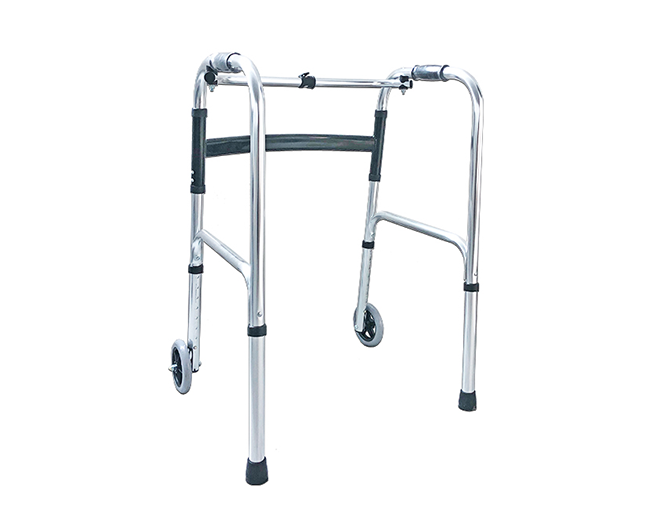
Una volta definiti i requisiti di installazione e di percorso interno, gli acquirenti possono tradurli in un'unica specifica di prodotto. Xunyu Medico offre diversi prodotti per la mobilità all'interno della sua gamma di ausili per la deambulazione, consentendo ai distributori di confrontare i formati di deambulatori e rollator in base a struttura, ruote, regolazione e canale di destinazione prima di finalizzare un ordine.
Conferma la configurazione XY913L-5
Il Assistenze mediche leggere per camminare XY913L-5 Utilizza un telaio in lega di alluminio argento opaco da 1,2 mm, due ruote, una struttura pieghevole e 8 livelli di regolazione dell'altezza. Il carico massimo è di 100 kg e le dimensioni da aperto sono L53 × P46 × H75 cm.
Queste specifiche forniscono una base chiara per una discussione di acquisto strutturata, ma non devono essere estese a dichiarazioni infondate su idoneità universale, prevenzione delle cadute o risultati clinici. Il preventivo deve indicare con precisione il telaio, le ruote, la regolazione in altezza, la finitura e la configurazione dell'imballaggio che verranno consegnati.
Eseguire verifiche di esempio relative alla regolazione e alla gestione in ambienti interni.
Un test di prova dovrebbe prevedere diverse posizioni di altezza, la verifica del corretto aggancio dei punti di bloccaggio e il confronto tra i due lati del telaio con la stessa impostazione. L'operazione di chiusura dovrebbe inoltre essere ripetuta più volte per controllare l'apertura, la chiusura e l'allineamento del telaio dopo il rimessaggio.
La movimentazione in ambienti interni può essere valutata in base al tipo di percorso che l'acquirente prevede di servire: corridoi rettilinei, larghezze delle porte standard, posizionamento a lato delle sedie e stoccaggio compatto. Lo scopo non è certificare ogni singolo layout dell'edificio, bensì determinare se il campione approvato corrisponde al canale previsto e se gli stessi controlli possono essere ripetuti all'arrivo delle unità in blocco.
Trasforma il profilo di percorso in una richiesta di offerta (RFQ).
La richiesta di offerta (RFQ) dovrebbe collegare i dettagli del prodotto al mercato di destinazione. Le informazioni utili per l'ordine includono i gruppi di utenti target, gli ambienti interni previsti, la documentazione preferita per la regolazione dell'altezza, la configurazione delle ruote, i requisiti di piegatura, il limite di carico, l'identificazione dell'imballaggio, i manuali e le domande sui pezzi di ricambio.
Per un distributore che serve diversi canali di assistenza, lo stesso brief può anche chiedere se sono disponibili altri modelli di deambulatori o rollator quando cambia il percorso di destinazione o il profilo dell'utente. Gli acquirenti che pianificano un programma di mobilità più ampio possono presentare i requisiti di configurazione del deambulatore con ambienti di utilizzo previsti, verifiche a campione, esigenze di documentazione e domande relative agli ordini di grandi volumi.
Un acquisto ben pianificato di un deambulatore in alluminio va oltre il semplice materiale e il prezzo. La regolazione dell'altezza, la stabilità del bloccaggio, la manovrabilità su due ruote, il meccanismo di chiusura, la larghezza del percorso, lo stoccaggio e i controlli di ricezione influiscono tutti sulla chiarezza con cui il prodotto può essere assegnato e supportato dopo la consegna. Riunendo questi punti in un'unica specifica, gli acquirenti B2B possono semplificare la verifica dell'ordine finale e la gestione da parte dei team a valle.


