

Stampelle ascellari vs stampelle avambraccio: linee di prodotto per gli acquirenti
Data: 20 agosto 2026 Visualizzazione : 729
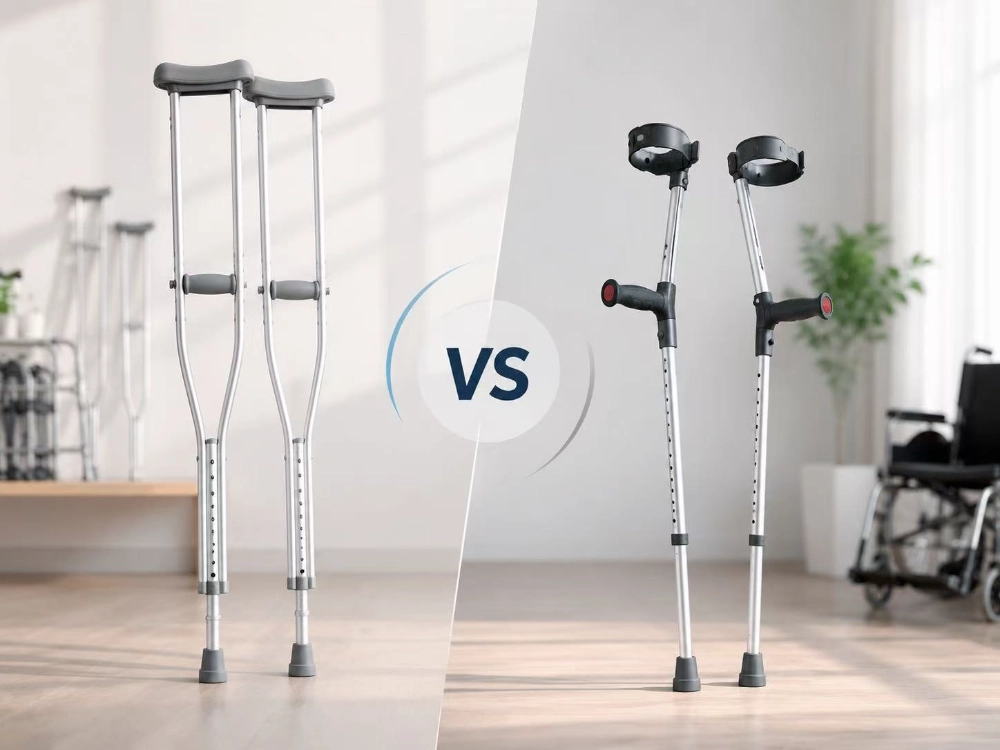
La decisione di andare stampelle ascellari o stampelle con avambraccio La scelta tra stampelle ascellari e stampelle avambraccio è una decisione di pianificazione della gamma, piuttosto che una semplice alternativa tra due tipologie di design. Se un'azienda decide di distribuire solo il modello standard, perderà l'opportunità di raggiungere quei consumatori in fase di riabilitazione che cercano altri tipi di stampelle. Se invece opta per avere tutti i modelli disponibili senza un'adeguata pianificazione, rischia di ritrovarsi con scorte invendute e incontri di vendita difficili, tra le altre cose. Le stampelle ascellari e quelle avambraccio devono quindi essere analizzate in termini di segmenti di acquirenti, informazioni sul prodotto, problematiche di sostituzione e capacità del canale di vendita.
La risposta breve per i pianificatori di linee di prodotto
Dove ogni tipo di stampella è più adatta
Le stampelle ascellari, o sottobraccio, utilizzano un telaio che si estende sotto il braccio e un'impugnatura che distribuisce il carico. Sono comuni in molti ospedali, farmacie e nelle gamme di ausili per la mobilità di base. Le stampelle avambraccio utilizzano un supporto che avvolge l'avambraccio con un'impugnatura posizionata più in basso sul telaio. Possono essere adatte a chi cerca un'offerta di riabilitazione più attiva e a lungo termine, ma la vestibilità, il design del supporto e le istruzioni sono più importanti di quanto suggerisca una foto di catalogo.
Cosa significa la scelta per il rischio di inventario
Un nuovo distributore solitamente trae vantaggio da una gamma iniziale mirata: una o due configurazioni di supporto sottobraccio affidabili, per poi aggiungere un'opzione di supporto avambraccio solo quando il target di acquirenti è ben definito. Questo limita la complessità dei pezzi di ricambio ed evita di dover spiegare un prodotto che il rivenditore non è in grado di dimostrare. Una volta dimostrata la domanda, la gamma può essere ampliata in base all'altezza, al formato di chiusura, alla finitura o al pacchetto di accessori, anziché aggiungere articoli sovrapposti senza alcuna distinzione visibile.
Dove si collocano le stampelle ascellari nella gamma di un distributore
Segmenti di acquirenti e domanda tipica del canale
Le stampelle ascellari rappresentano spesso il fulcro riconoscibile di un assortimento di stampelle per la riabilitazione. I percorsi di recupero a breve termine, le cliniche che forniscono prodotti per la dimissione e i rivenditori alla ricerca di un articolo per la mobilità semplice possono apprezzare il metodo di regolazione familiare. Ciò non significa che un unico modello sia adatto a tutti. I team di acquisto dovrebbero valutare quali fasce di altezza, limiti di peso e livelli di servizio il fornitore è in grado di offrire prima di scegliere il modello di partenza.
Verifica del telaio, della regolazione dell'altezza e del design del piede
Il Stampella ascellare in alluminio XY-925 Offre nove posizioni per il tubo del piede, cinque posizioni di impugnatura e intervalli di altezza piccoli, medi e grandi. È inoltre disponibile in lega di alluminio color argento nebbia con tubi da 1,0 mm, 1,1 mm o 1,2 mm e un piedino in gomma antiscivolo. Questi dettagli forniscono agli acquirenti una lista di controllo concreta, ma è comunque consigliabile testare la regolazione e il corretto posizionamento della punta su diversi esemplari, piuttosto che approvare un singolo pezzo da esposizione.
Per il rifornimento al dettaglio, annotare l'intervallo di altezza esatto e l'opzione del tubo sul foglio campioni approvato. Un articolo dall'aspetto simile ma con un intervallo di regolazione diverso può causare resi non necessari in seguito. Verificare inoltre come vengono imballati i poggiapiedi, le impugnature e le imbottiture ascellari per i riordini. Un componente di ricambio che non può essere identificato rapidamente può trasformare una piccola richiesta di assistenza post-vendita in un reso completo del prodotto.
Quando le stampelle per avambraccio aggiungono un'offerta diversa
Considerazioni sulla configurazione del polsino e dell'impugnatura
Le stampelle con supporto per avambraccio dovrebbero essere valutate come una linea di prodotti a sé stante, non come una versione più leggera di un telaio ascellare. L'apertura del bracciale, la flessibilità del bracciale, il profilo dell'impugnatura, l'intervallo di regolazione, le specifiche della punta e la coerenza tra lato destro e sinistro influiscono sul modo in cui un acquirente può posizionare il prodotto. Richiedete al fornitore dettagli precisi sui campioni, un elenco dei componenti e la disponibilità di pezzi di ricambio. Se il distributore non è in grado di rispondere a queste domande, è più prudente rimandare l'ampliamento della gamma.
Implicazioni relative agli ordini ripetuti e ai pezzi di ricambio
Polsini e impugnature creano ulteriori punti di assistenza. Gli acquirenti dovrebbero verificare se i ricambi vengono forniti per taglia o in un'unica configurazione, se sono imballati singolarmente e come ogni parte è etichettata. Questo è particolarmente importante nei canali di riabilitazione, dove il personale potrebbe aver bisogno di una risposta immediata riguardo a una parte usurata o a una modifica della vestibilità. Un prezzo d'acquisto basso è meno utile se un piccolo componente non può essere riordinato senza sostituire l'intero articolo.
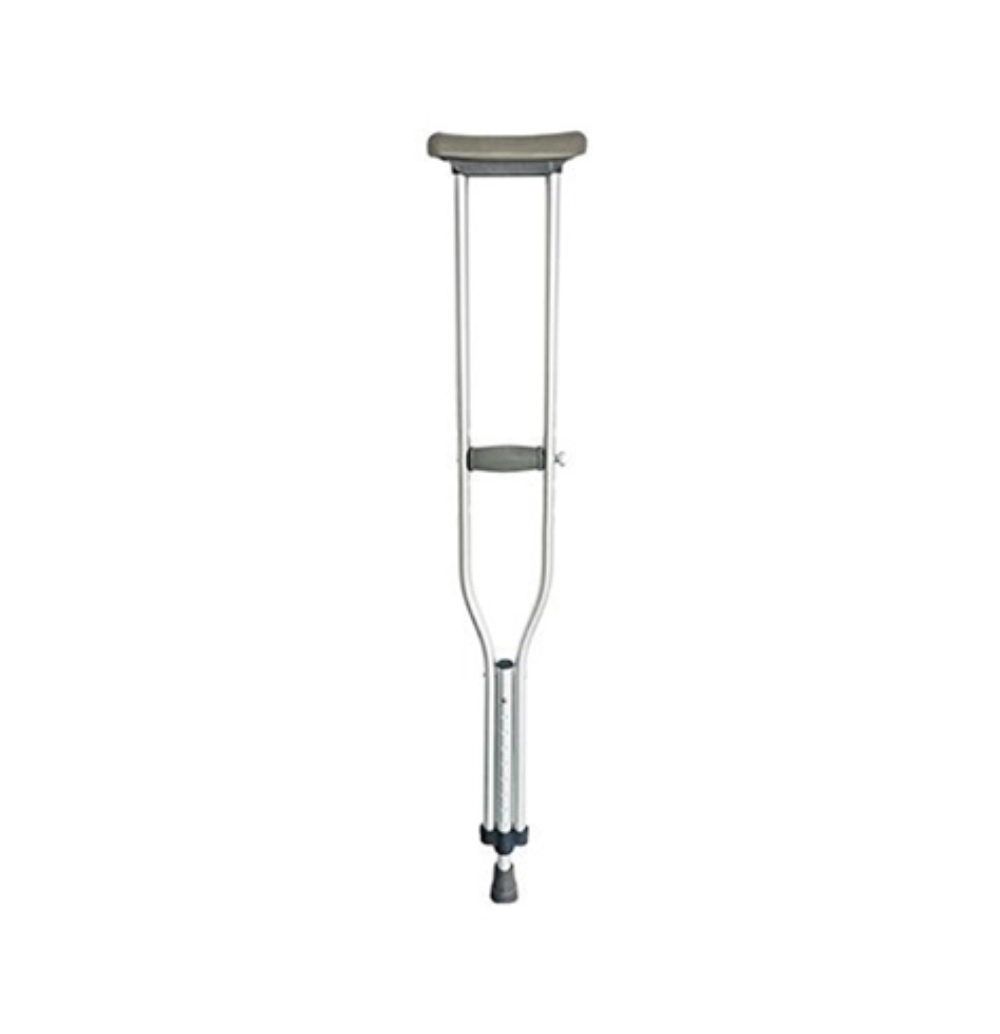
Utilizzate le immagini del prodotto come punto di partenza per la revisione della struttura e delle regolazioni. Le decisioni finali sulla linea di prodotti richiedono comunque campioni fisici, registrazioni di configurazione precise e una risposta dal fornitore in merito ai pezzi di ricambio.
Creare linee di prodotti basate sui segmenti di acquirenti
Assorti di base, di fascia media e specialistici
Un assortimento di base può privilegiare le classiche stampelle ascellari in alluminio con una chiara selezione dell'altezza e puntali resistenti. Un'offerta di fascia media può includere un telaio pieghevole o opzioni di regolazione migliorate, ideali per chi apprezza una maggiore facilità di stoccaggio e trasporto. Un'opzione specialistica per l'avambraccio è adatta quando il rivenditore si rivolge a un pubblico di professionisti della riabilitazione e può fornire informazioni dettagliate su vestibilità, posizionamento dell'impugnatura e supporto per la sostituzione. Queste differenze dovrebbero essere chiaramente indicate nei dati tecnici e nella confezione del prodotto.
Abbinare le scorte alle esigenze di restauro e rivendita
Non bisogna tenere a magazzino ogni altezza o colore solo perché il fornitore è in grado di offrirli. Iniziate con le combinazioni richieste dal canale di distribuzione, quindi monitorate le richieste di informazioni, i resi e gli ordini ripetuti per individuare tre segnali utili: lacune nella copertura delle altezze degli utenti, domanda di un formato diverso e richieste ricorrenti di componenti. Questo tipo di dati è più affidabile di una previsione generica perché collega le scelte di prodotto agli acquirenti effettivi del distributore.
Confronta le caratteristiche del prodotto prima di impegnarti nell'acquisto
Matrice di confronto per l'acquisto di campioni
Utilizzate la stessa scheda campione per entrambi i tipi di prodotto. Includete il segmento di acquirenti previsto, il materiale del telaio, l'intervallo di altezza, le posizioni di regolazione, i dettagli dell'impugnatura e del poggiapiedi, il tipo di poggiapiedi, le dimensioni da piegato (ove pertinente), le condizioni della confezione e il riferimento ai pezzi di ricambio. La scheda non necessita di terminologia tecnica. Deve essere sufficientemente dettagliata da consentire a un responsabile acquisti, a un formatore di vendita e a un tecnico dell'assistenza di riconoscere la configurazione approvata.
Imballaggio, pezzi di ricambio e prevenzione dei reclami
Durante la fase di approvazione, aprite più di una confezione. Verificate la presenza di parti allentate, tubi graffiati, etichette non uniformi, istruzioni mancanti o punte compresse a causa del trasporto. Chiedete poi come un eventuale ordine successivo corrisponderà al campione: tramite codice prodotto, specifiche dei componenti, marchio sulla confezione e foto di conferma. Questa procedura aiuta l'acquirente a individuare eventuali discrepanze prima che il prodotto raggiunga una clinica o un rivenditore, dove un'identità di prodotto non chiara è più difficile da correggere.
Scegli un fornitore di ausili per la deambulazione con prove concrete
Domande da porre durante la valutazione del campione
Chiedete a ciascun fornitore di ausili per la deambulazione di specificare la configurazione esatta del prodotto, le altezze disponibili, i materiali dei componenti, le opzioni di sostituzione, il metodo di imballaggio e i tempi di consegna previsti per l'ordine proposto. Richiedete informazioni relative al campione in vostro possesso. Gli acquirenti dovrebbero inoltre chiarire quali informazioni appariranno sulle etichette e sulle confezioni. Una risposta utile da parte del fornitore consente al distributore di preparare una scheda prodotto che non esageri le capacità del prodotto.
Utilizzo delle specifiche di prodotto per pianificare i riordini
Xunyu Medico produce stampelle, deambulatori, sedie da doccia, comodini e categorie correlate di dispositivi di assistenza per anziani in uno stabilimento di circa 4.000 metri quadrati a Foshan. Le sue opzioni di servizio OEM e ODM possono supportare le conversazioni su etichette, imballaggio e configurazione del prodotto. Ad esempio, il pieghevole Stampella XY-911 Utilizza tubi in alluminio da 19 mm e 22 mm con una parete di 1,2 mm e un piedino in gomma a nido d'ape. Gli acquirenti devono collegare ciascuna caratteristica elencata a una specifica esigenza di canale prima di aggiungerla a una linea.
Per richiedere un campione, discutere del catalogo o richiedere un preventivo, contattare Xunyu Medical con il mercato di destinazione, le tipologie di prodotto target, il volume previsto e i ricambi necessari. Un brief conciso consente al fornitore di proporre opzioni pertinenti senza costringere il distributore ad un assortimento eccessivo.
Domande frequenti
Domanda:Quale tipo di stampelle dovrebbe tenere in magazzino per primo un nuovo distributore?
A: Iniziate con la tipologia che meglio risponde alle esigenze dell'acquirente e che il canale di vendita può spiegare in modo chiaro. Per molte gamme base, i modelli ascellari regolabili rappresentano un punto di partenza pratico. Aggiungete le opzioni per l'avambraccio quando avrete definito il pubblico di riferimento per la riabilitazione e il piano di assistenza.
Domanda:Un unico fornitore può supportare entrambe le linee di prodotto?
A: Forse, ma gli acquirenti dovrebbero esaminare separatamente i campioni e il supporto dei componenti per ciascun formato. Confermare la configurazione esatta, la disponibilità di ricambi, le etichette, l'imballaggio e i dettagli relativi all'ordine minimo, anziché presumere che un modello approvato rappresenti l'intera gamma.
Domanda:Cosa dovrebbero verificare gli acquirenti prima di effettuare un ordine all'ingrosso?
A: Confermare le specifiche del campione approvato, gli intervalli di altezza, il funzionamento della regolazione, le punte, le impugnature o i polsini, il piano dei pezzi di ricambio, le condizioni della scatola, l'etichettatura e il riferimento per il riordino del fornitore. Tali documenti semplificano notevolmente il successivo rifornimento e la verifica dei problemi.


