

Come valutare le sponde da letto senza foratura per i progetti di assistenza agli anziani del 2026
Data: 16 luglio 2026 Visualizzazione : 720

Nel 2026, nell'acquisto di attrezzature per l'assistenza agli anziani, i criteri per la scelta dei migliori supporti da letto includeranno l'efficienza di installazione, la stabilità e la flessibilità delle opzioni di montaggio. L'ufficio acquisti non si concentrerà più solo sulla funzionalità del prodotto, ma terrà conto anche della rapidità di installazione, soprattutto in contesti diversi come case di riposo e centri di riabilitazione.
Perché le sponde da letto senza foratura si stanno rivelando utili nei progetti di assistenza agli anziani?
Per molti progetti di assistenza, la foratura è inaccettabile. Case in affitto, stanze di convalescenza temporanee, letti per l'assistenza individuale e alcune strutture di cura non desiderano fori nei telai dei letti o nelle pareti. Un design senza foratura contribuisce a ridurre questo problema. Dal punto di vista del distributore, ciò riduce anche il carico di lavoro di formazione. Se il prodotto può essere installato con semplici passaggi, i rivenditori locali, gli operatori sanitari o il personale di progetto possono occuparsi dell'installazione senza bisogno di un team specializzato.
Ferrovie da letto Solitamente vengono utilizzati durante le fasi di seduta, rotazione, alzata o spostamento dal letto alla sedia a rotelle. Nei progetti di assistenza agli anziani, l'obiettivo è fornire un supporto più stabile durante i trasferimenti più comuni. Un buon corrimano offre all'utente un punto d'appoggio solido. Può anche ridurre la necessità per gli operatori sanitari di tirare da angolazioni scomode. Nelle strutture con personale limitato, questo tipo di supporto può rendere più agevole il lavoro di assistenza quotidiana.
Quali sono le principali tipologie di sponde da comodino senza foratura che gli acquirenti dovrebbero confrontare?
Sponde laterali rimovibili di base per i kit di assistenza domiciliare
Per i kit per l'assistenza domiciliare e la distribuzione al dettaglio si scelgono solitamente binari rimovibili di base. Gli acquirenti dovrebbero ricercare una struttura semplice, un imballaggio compatto, un'impugnatura comoda e una facile installazione.
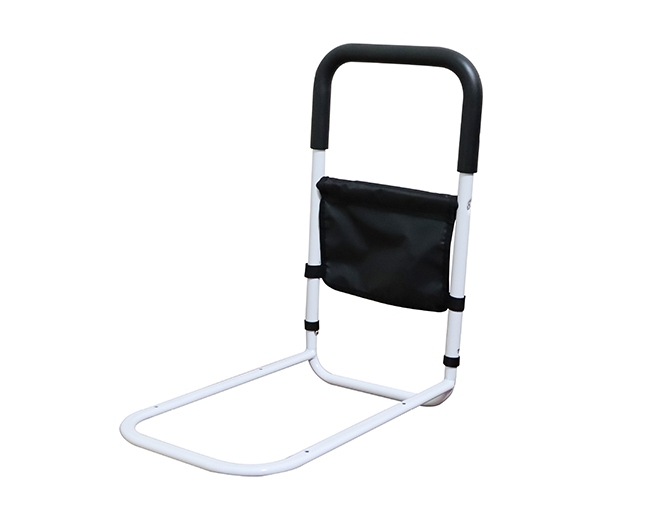
Ad esempio, il Xunyu Medico XY-310 è dotato di telaio in acciaio al carbonio, verniciatura a spruzzo integrale, struttura rimovibile senza forature, maniglia in schiuma e borsa per il trasporto. È adatto per confezioni base di prodotti per la cura della casa o per le scorte dei distributori. Vale la pena valutare anche le opzioni di imballaggio quando gli acquirenti calcolano lo spazio di magazzino e i costi di consegna locali.
Maniglioni di sostegno compatti per sale di convalescenza
I maniglioni di supporto compatti sono utili dove lo spazio è limitato e il maniglione deve essere spostato o riposto dopo l'uso. Questo tipo di maniglione è spesso necessario in sale di riabilitazione, letti per la convalescenza domiciliare e strutture di assistenza a breve termine.
Un modello come XY-316 Fornisce agli acquirenti un punto di riferimento. Utilizza un telaio principale in acciaio al carbonio, un tubo da 1,2 mm, un design a tubo piatto, un'installazione senza forature, una borsa per il trasporto e un'impugnatura in schiuma. Il peso netto è di 1,9 kg, con una capacità di carico di 100 kg, quindi si colloca più vicino a un modello per progetti leggeri che a una rotaia per carichi pesanti.
Binari di base più larghi per esigenze di maggiore stabilità
Per le case di riposo o per progetti di assistenza a lungo termine, gli acquirenti potrebbero preferire una base più ampia. Una base più ampia può migliorare l'area di appoggio e rendere il prodotto più stabile quando viene applicata pressione durante il trasferimento. L'XY-318 è un esempio in questa categoria. Utilizza acciaio ad alto tenore di carbonio, una base allargata, un design a tubo piatto e un sistema di montaggio senza foratura.
Sponde regolabili per letto medico, da posizionare a terra
Alcuni progetti di assistenza richiedono maggiori adattamenti. I letti ospedalieri, i letti per la riabilitazione e le tipologie di letti miste nelle strutture per anziani potrebbero non avere tutti la stessa altezza. In queste situazioni, una sponda regolabile in altezza a pavimento può rivelarsi utile.
XY-429 è un riferimento più affidabile in questo caso. Ha un design da pavimento, doppi tubi orizzontali rinforzati., regolazione multilivello, Una borsa portaoggetti in nylon, piedini antiscivolo e una struttura a tubo piatto. L'altezza totale indicata è compresa tra 83 e 107 cm e la capacità di carico è di 136 kg.
Quali specifiche sono più importanti per gli acquirenti B2B?
Materiale della struttura e trattamento superficiale
Per le sponde del letto, la scelta del materiale influisce sulla durata, sulla pulizia e sull'aspetto a lungo termine. Acciaio al carbonio o Htelai in acciaio ad alto tenore di carbonio Sono comuni perché offrono un supporto solido. Anche la verniciatura a spruzzo, i telai inferiori galvanizzati o altri trattamenti superficiali sono importanti, soprattutto nei mercati umidi.
Per gli acquirenti del Sud-est asiatico, l'umidità e la pulizia frequente possono influire nel tempo sulle parti metalliche. Gli acquirenti dovrebbero informarsi sul trattamento superficiale e sulla disponibilità di pezzi di ricambio per impugnature in schiuma, piedini o borse per il trasporto.
Capacità di carico e struttura di base
La capacità di carico deve essere verificata insieme alla struttura. Una rotaia con una base più robusta potrebbe essere più adatta per case di riposo o centri di riabilitazione. Una rotaia più piccola potrebbe essere sufficiente per i kit di assistenza domiciliare, ma deve comunque risultare stabile se spinta da diverse angolazioni.
Gli acquirenti dovrebbero testare il prodotto accanto al letto che indosseranno abitualmente. Lo spessore del materasso, la forma della struttura del letto, la superficie del pavimento e le abitudini di chi lo utilizza influiscono sulle prestazioni. I codici a barre del catalogo sono utili, ma testare il prodotto su un campione specifico è la vera chiave di lettura.
Dimensioni dell'imballaggio ed efficienza delle spedizioni in blocco
Spesso l'imballaggio viene trascurato fino al momento di organizzare il primo container o la prima spedizione mista. Solo allora diventa una vera e propria voce di costo.
Per i distributori, le scatole monoblocco possono essere adatte per le vendite online o al dettaglio. Gli imballaggi da cinque o dieci pezzi possono essere più indicati per le consegne di progetti o per il rifornimento del magazzino. Gli acquirenti dovrebbero confrontare le dimensioni della scatola, il peso lordo, la protezione interna, l'etichettatura e il posizionamento manuale.
Come dovrebbero gli acquirenti scegliere le sponde da comodino più adatte alle diverse esigenze del progetto?
Prodotti per la cura della casa e distribuzione al dettaglio
Per i canali di vendita al dettaglio e per l'assistenza domiciliare, il prodotto deve essere facile da spiegare e veloce da installare. Un binario rimovibile con impugnatura in schiuma e una piccola borsa per riporlo sono solitamente sufficienti per molti clienti.
Il personale di vendita al dettaglio ha bisogno di un chiaro punto di forza: nessuna foratura, facile installazione, dimensioni compatte e supporto di base per il trasferimento del letto.
Case di riposo e strutture per anziani
Per le case di riposo, gli acquirenti dovrebbero considerare l'uso ripetuto, la pulizia, la stabilità della struttura e la gestione da parte del personale. In questi casi, una base più ampia o dei corrimano più robusti potrebbero essere più adatti, soprattutto laddove diversi residenti utilizzino le stesse attrezzature di assistenza nel tempo.
Il personale potrebbe dover controllare regolarmente viti, maniglie, piedini e rivestimento del telaio. Un prodotto facile da ispezionare può ridurre i problemi di assistenza successivi.
Reparti di riabilitazione e progetti di recupero temporaneo
I reparti di riabilitazione e i progetti di assistenza temporanea richiedono flessibilità. Le tipologie di letti possono cambiare, le esigenze dei pazienti possono cambiare e le attrezzature possono essere spostate tra le stanze.
In questi casi, i modelli regolabili o a pavimento possono ridurre i problemi di incompatibilità quando un progetto prevede diverse altezze del letto o esigenze di trasferimento.
Quali fattori relativi al fornitore è opportuno verificare prima di effettuare ordini all'ingrosso?
Test del campione prima dell'acquisto
Prima di confermare un ordine all'ingrosso, gli acquirenti dovrebbero testare l'installazione, la stabilità, la comodità di presa, il contatto con il pavimento, la compatibilità con il letto e la facilità di smontaggio. È preferibile effettuare i test con il materasso e la struttura del letto che i clienti locali utilizzano abitualmente.
Supporto OEM, etichettatura e manuali
Per gli acquirenti B2B, il prodotto è solo una parte dell'ordine. Hanno bisogno anche di etichette di imballaggio, manuali in inglese, schemi di installazione, adesivi di avvertenza, immagini del prodotto e a volte logo o supporto per marchi privati.
In questa sezione, i fornitori come Xunyu Medical vengono spesso valutati non solo in base alla struttura del prodotto, ma anche in base alla loro capacità di supportare le esigenze del canale di distribuzione a valle. La sua linea di corrimano da comodino è pensata per la distribuzione orientata all'esportazione e in genere include manuali standardizzati, istruzioni per l'installazione e opzioni di imballaggio adattabili alle diverse esigenze di progetto o di distributore.
Ricambi e assistenza post-vendita
Le sponde da letto presentano meno problemi elettronici rispetto ai dispositivi di mobilità elettrica, ma l'assistenza post-vendita rimane comunque fondamentale. Maniglie in schiuma, borse per il trasporto, piedini antiscivolo, viti, componenti di collegamento e imballaggio possono influire sulla soddisfazione del cliente. Gli acquirenti dovrebbero informarsi su come vengono imballati i pezzi di ricambio, se è possibile spedirli insieme all'ordine principale e come vengono gestite le richieste di garanzia. Per gli ordini di progetto, questi aspetti dovrebbero essere discussi prima della firma dell'ordine di acquisto.
Domande frequenti
D1: Cosa dovrebbero verificare gli acquirenti prima di ordinare in grandi quantità sponde da comodino senza foratura?
A1: Gli acquirenti devono verificare il materiale del telaio, il trattamento superficiale, la capacità di carico, le dimensioni della base, il metodo di installazione, le dimensioni dell'imballaggio, i pezzi di ricambio, i manuali e la compatibilità del letto. Prima di effettuare un ordine consistente, è consigliabile effettuare una prova con un campione.
D2: Le sponde laterali rimovibili sono adatte alle strutture di assistenza agli anziani?
A2: Sì, ma gli acquirenti dovrebbero scegliere il modello in base all'intensità di utilizzo. Una semplice sponda rimovibile può andare bene per l'assistenza domiciliare o per canali di vendita al dettaglio con un utilizzo leggero. Le sponde regolabili con base più ampia o a pavimento potrebbero essere più adatte per strutture con letti di diverse altezze.
D3: Gli acquirenti possono richiedere un quantitativo minimo d'ordine (MOQ), personalizzazioni, assistenza all'installazione, supporto per la manutenzione e servizio post-vendita?
A3: Sì. Gli acquirenti possono discutere di MOQ, personalizzazione del logo o dell'imballaggio, manuali in inglese, guida all'installazione, pezzi di ricambio e termini di assistenza post-vendita prima di confermare un ordine. Se hai ulteriori domande, non esitare a contattare Xunyu Medical.


