

Come migliorare la stabilità utilizzando le mulelle di allenamento durante la riabilitazione
Ora : Maggio 04, 2026 Visualizzazione : 1.213
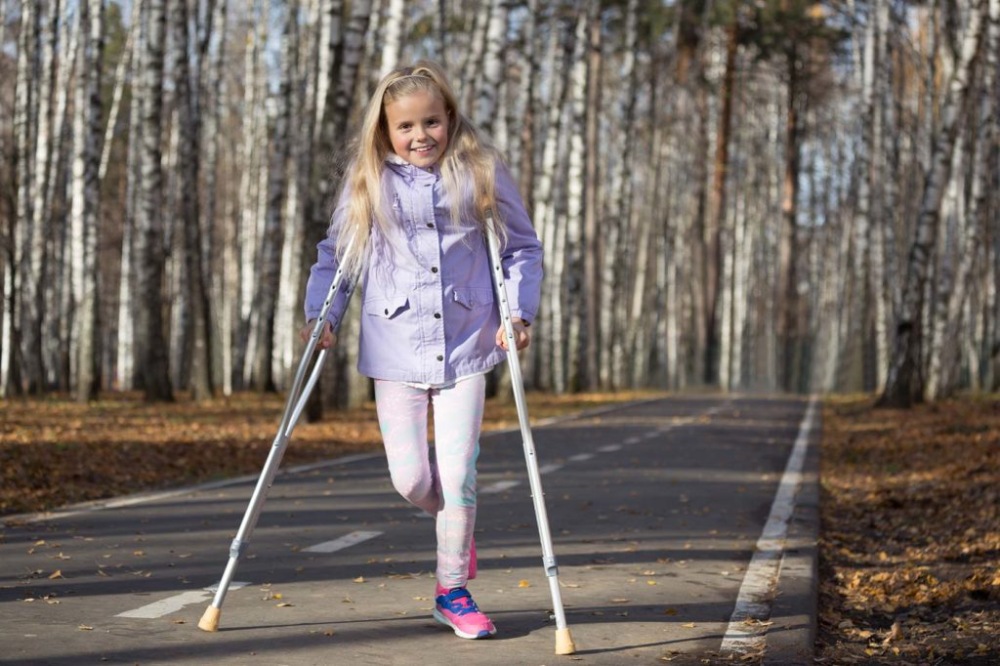
Utilizzando le stallelle di allenamento bene in riabilitazione inizia con la comprensione di come aiutano l'equilibrio, il movimento e la guarigione costante. Per molti pazienti, in particolare nei periodi iniziali di recupero, la stabilità è importante non solo per la facilità, ma anche per proteggere il punto ferito dalla pressione in più. Prima di esplorare i modi in cui le stallelle aumentano la stabilità, aiuta a sapere cosa significa non portare peso in riabilitazione.
Cosa significa non-peso-bearing nella riabilitazione?
Non portante peso (NWB) significa un ordine del medico che vieta di mettere qualsiasi carico su un arto danneggiato durante la guarigione. Questo limite spesso segue interruzioni, riparazioni del tendine o operazioni sulle parti inferiori del corpo. Permette l'osso o il tessuto danneggiato di riparare senza sforzo ma mantiene il movimento generale possibile tramite strumenti di aiuto. Le persone che seguono le regole del NWB dipendono dalle stampelle per stabilità, sostegno e libertà. Il corretto utilizzo di stallelle impedisce danni extra e aiuta i passi di riabilitazione sicuri.
Quali tipi di martelle sono adatti per l'uso non portante peso?
Due tipi principali di stampelle Servire NWB riabilitazione: ascelle (assillare) tipi e avambraccio (gomito) tipi. Le stallelle per le ascelle forniscono sostegno sotto l'ascella e si adattano a brevi tempi di recupero, mentre le stallelle per l'avambraccio consentono una migliore maneggevolezza e si adattano a riabilitazioni in corso o sportive. I materiali utilizzati modellano notevolmente comfort e potenza duratura. I tipi di alluminio pesano poco e resistono alla ruggine, mentre le costruzioni in fibra di carbonio, come quelle dei migliori aiutanti alla mobilità, portano un migliore equilibrio potenza-peso. Le maniglie body-fitting riducono la tensione del polso in sessioni lunghe.
Quando si scelgono le staglie per esigenze che non portano peso, pensate alla gamma di cambio di altezza, al limite di peso dell'utente e alla potenza del braccio. Le staglie dovrebbero consentire una piegatura del gomito di circa 30 ° quando si tengono le maniglie per ridurre la stanchezza in movimento.
Come dovrebbero essere regolate le croccelle per la corretta adattatura?
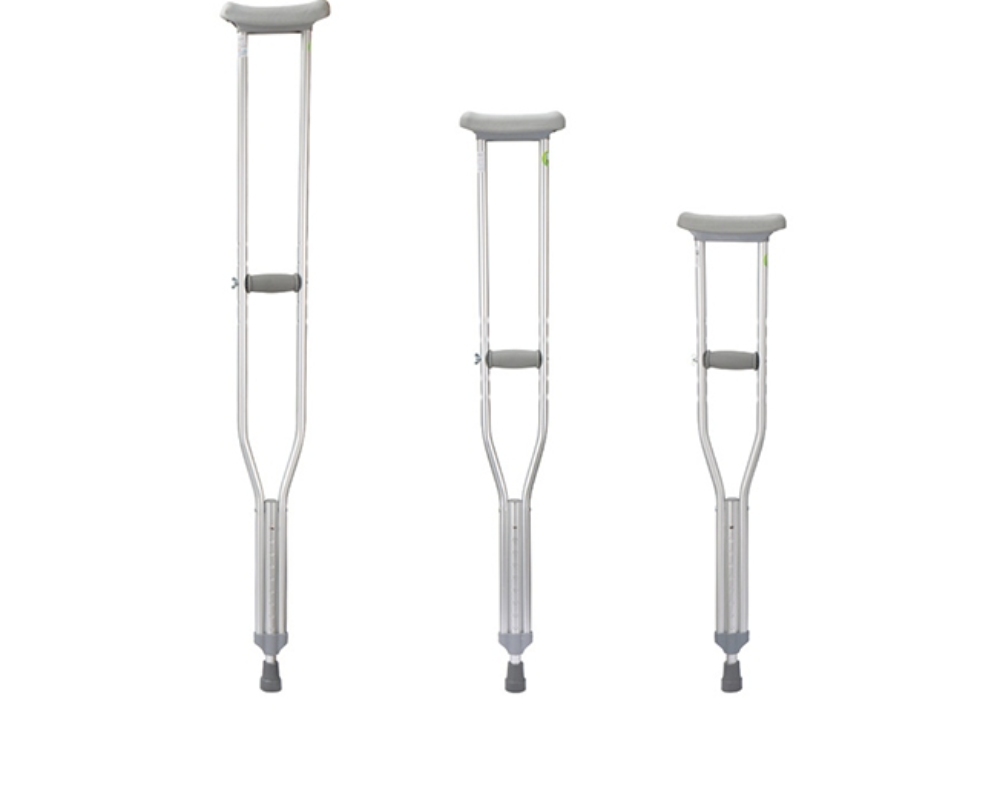
Prima di iniziare con le stallelle, la configurazione giusta conta molto per garantire facilità ed evitare danni. La parte superiore delle gambelle delle ascelle deve sedersi intorno a due pollici sotto l'ascella quando si sta dritti. Per i tipi di avambraccio, la maniglia deve allinearsi con la piega del polso quando le braccia scendono naturalmente ai lati.
Per cambiare l'altezza, premere i pulsanti della molla sulle parti della gamba e allungare o tagliare la parte per raggiungere l'altezza giusta. Assicurati che entrambi i lati corrispondano in lunghezza per mantenere l'uniformità nel camminare. Chiudi tutti gli anelli di tenuta strettamente prima di iniziare.
Punto maniglia conta anche; La configurazione sbagliata può causare dolore al polso o tensione nervosa. Controllare le estremità di gomma spesso per i danni, come le estremità usurate tagliare la presa e aumentare il pericolo di viaggio. Le impugnature cuscinette dovrebbero rimanere intatte per aumentare la facilità in uso a lungo termine.
Come può la meccanica del corpo migliorare l'equilibrio quando si utilizzano le muliere?
Mantenere una postura solida con le stallelle taglia la traccia della spalla e aumenta la stabilità. Usa i muscoli del nucleo per guidare il movimento invece che solo la forza del braccio. Tenere le spalle sciolte e la schiena in piedi quando si fa un passo avanti. La consapevolezza dell’equilibrio si dimostra essenziale: guarda sempre avanti piuttosto che ai piedi per individuare gli ostacoli. Distribuire il peso ugualmente attraverso entrambi i bracci quando ancora per smettere di sovraccaricare un lato. L'allenamento con passi costanti aumenta il ritmo e riduce la stanchezza su percorsi più lunghi.
Qual è il modo corretto per camminare con le muliere senza peso?
Dominare come passare sotto i limiti non portanti richiede lavoro di squadra tra spinta del braccio e sollevamento delle gambe. Inizia impostando entrambe le stallelle un po 'davanti al telaio a spalla per supporto. Sposta il tuo peso sulle tue mani tramite le impugnature, il tutto alzando la gamba ferita lontano dal pavimento.
Successivamente, oscillare la gamba buona in avanti tra le staglie in un flusso uniforme, poi metterlo giù solido per il sostegno. Vai lentamente all'inizio per costruire equilibrio; la fretta può portare a oscillare o scivolare su terreno aspro. Quando si ferma o gira, tenere entrambe le stampelle vicino, creando una base ampia per il sostegno. Salta i movimenti di torsione che potrebbero tirare le spalle o i polsi, opta invece per piccole gire costanti.
Come si può navigare le scale in modo sicuro con le croccelle?
La gestione delle scale richiede ulteriori cure perché la possibilità di caduta cresce nella guarigione del NWB. Prendi sempre un ringhiera fermo se ne esiste.
Salire le scale
Prendere entrambe le staglie in una mano, e tenere la rotaia con l'altra per un supporto aggiuntivo. Salire prima con la gamba buona, poi portare entrambe le stallelle insieme allo stesso passo.
Scendere le scale
Mettere entrambe le stallelle sul gradino sotto prima di allentare la gamba buona giù dietro di loro. Mantenere i movimenti lenti e costanti durante tutta la caduta - evitare di piegarsi troppo in avanti, che potrebbe gettarti fuori equilibrio.
Se le scale si sentono insicure durante il recupero non portante, un aiuto temporaneo alla mobilità come una sedia a rotelle elettrica può offrire un'alternativa più stabile. Il Modello ammortizzante XY-A13-46 da Foshan Xunyu Medical Technology Co., Ltd. dispone di un telaio principale in fibra di carbonio e di un design piegabile veloce a chiave unica, rendendolo adatto agli utenti che hanno bisogno di un comodo supporto alla mobilità sia all'interno che all'esterno senza esercitare pressione sull'arto ferito. Concentrandosi sulle soluzioni di mobilità per gli anziani e gli utenti della riabilitazione, Xunyu Medico continua a sviluppare prodotti che enfatizzano il comfort ergonomico, la sicurezza strutturale e il supporto pratico per un movimento più sicuro durante il recupero.
Come gestire superfici o porte irregolari?
Il terreno aspro, come i bordi o le pendici, richiede una velocità attenta e l'attenzione della sensazione del terreno. Vicino ai bordi dritti, non ad angolo, per mantenere una corrispondenza tra entrambi gli aiuti. Sulle pendici, inclinate un tocco in avanti mentre piegate i gomiti per colpire attraverso le braccia, non i polsi.
Quando attraversate porte strette, spostate prima una mulella, poi il vostro corpo, mantenendo una posizione eretta durante tutto il cambiamento. Utilizzare push; troppa forza può indebolire la presa, soprattutto quando si usura dopo lunghe passeggiate.
Quali strategie prevengono la stanchezza o gli infortuni durante l'uso a lungo termine della crutch?
L'uso prolungato di stallelle in stile allenamento o regolari può stancare le parti superiori del corpo se non costruite correttamente. Aggiungi allenamenti di costruzione per il tricepe, le spalle e le aree principali, come spinte sedute o tavole cambiate, un paio di volte alla settimana per aumentare la resistenza per le attività quotidiane.
Stretch ogni volta per liberare le articolazioni rigide, tagliando dolori di uso eccessivo come gonfiore o sensazioni di intorpidimento vicino ai polsi. Cambiare tra i tempi in piedi e le sedute di riposo ogni 20-30 minuti se è possibile per alleviare la pressione della mano. Guarda per segni di allarme come formicolio o un dolore in corso, che mostrano un metodo sbagliato o uno strumento che richiede un controllo esperto da parte di un terapeuta del movimento.
Come possono le martelle di allenamento migliorare i risultati di riabilitazione?
Le passelle in stile allenamento combinano il movimento attivo nei piani di terapia tirando i muscoli della parte superiore del corpo più dei soliti tipi. Stimulano la salute del cuore pur rispettando le regole NWB complete, un grande vantaggio per le persone sportive che curano le lesioni agli arti inferiori che vogliono mantenere la forma fisica nei tempi di riposo.
Le costruzioni regolari contro l'allenamento variano principalmente nella forma del telaio; tipi di body-fitting aiutano un migliore controllo della posizione, tagliando l'uso di energia per loop di passo. Scegliere tra loro dipende dagli obiettivi di riabilitazione - coloro che mirano a un allenamento duraturo potrebbero trarre vantaggio dai tipi di allenamento con impostazioni di spinta variabili, proprio come i telaio di aiuto avanzati nella gamma di Xunyu Medical, come il loro XY-D13T Sedia a rotelle elettrica, nota per la sua forte potenza motoria che aumenta i cambiamenti di movimento sicuri dopo l'intervento chirurgico.
Quali pratiche di manutenzione di sicurezza dovrebbero essere seguite con l'uso di crutch?
Controlli regolari mantengono la fiducia continua attraverso i passaggi di guarigione. Guardare i bulloni spesso per assicurarsi che nessuno slack cresce nei punti giunti, poiché oscillare aumenta la possibilità di incidente col passare del tempo. Aiuta a fare gli sguardi di sicurezza completa ogni sei mesi per le parti di giunzione solide e il normale lavoro. Cambia subito le estremità in gomma usurate quando vedi meno aderenza, soprattutto su pavimenti umidi dove i rischi di scivolamento saliscono rapidamente.
Pulire le impugnature spesso con detergente morbido, saltando fluidi forti che danneggiano la resistenza del materiale, proprio come i passaggi di cura delle sedie a rotelle nelle guide dell'attrezzatura medica che stressano il mantenimento pulito durante lunghi tempi di utilizzo a contatto.
Orologio esperto rimane chiave; Le conversazioni regolari con i medici ossei aiutano a regolare i modelli di camminata mentre la guarigione si muove a passi di peso parziale, garantendo un ritorno uniforme ai normali modi di passo senza rischi di ferite nuove.
Domande frequenti
Q1: Come faccio a sapere se l'altezza della mia mulella è regolata correttamente?
A1: Quando si sta in piedi dritto con le spalle sciolte, le maniglie dovrebbero corrispondere alle pieghe del polso, lasciando circa una curva di gomito di 30 ° quando si tengono le maniglie - questo dà la migliore tiratura senza dolore alla spalla.
Q2: Le stallelle di allenamento sono migliori di quelle standard?
A2: tipi di stile di allenamento tirano in più set muscolari, migliorando l'allenamento cardiaco, ma potrebbero aver bisogno di una potenza più forte per il braccio; Le costruzioni regolari si adattano ai tempi di guarigione di base non portanti pesi, concentrandosi principalmente sul sostegno rispetto alla forza dell'allenamento.
Q3: Cosa devo fare se sento dolore mentre uso le mie stallelle?
A3: fermarsi immediatamente e controllare i cambiamenti di impostazione, compresa l'altezza della presa o lo stato del cuscino; Il disagio in corso richiede una revisione da parte di un terapeuta del movimento che può risolvere i difetti del metodo, smettendo di ripetere i danni dello stress in riabilitazione.


