

Perché scegliere una linea di prodotti per la mobilità per le gare d'appalto di Family Care?
Data: 7 agosto 2026 Visualizzazione : 539
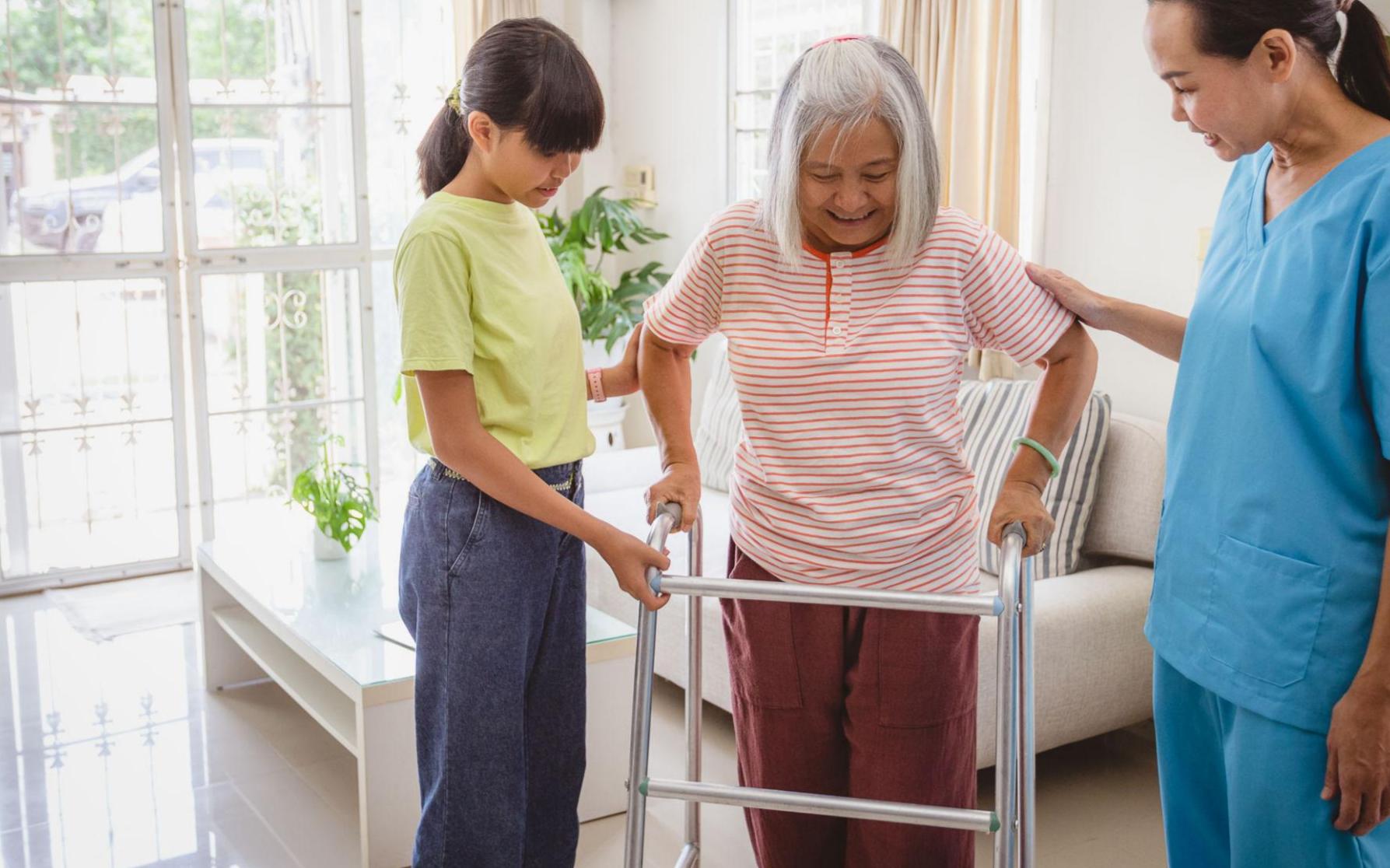
In molte famiglie del Sud-est asiatico, l'assistenza a un parente anziano si svolge principalmente in ambito domestico. Figli adulti, coniugi e altri membri della famiglia allargata possono condividere le attività quotidiane, dall'aiutare la persona ad alzarsi all'organizzare visite più sicure in bagno.
Questo modello crea una domanda diversa rispetto a una gara d'appalto destinata esclusivamente agli ospedali. Gli spazi domestici sono più piccoli, chi assiste potrebbe non essere personale qualificato e lo stesso prodotto può essere spostato tra camera da letto, soggiorno, veicolo e bagno. Una linea di ausili per la mobilità destinata all'assistenza familiare deve adattarsi a queste esigenze quotidiane.
Di cosa hanno bisogno solitamente le famiglie dai prodotti per la mobilità
Funzionamento semplice per gli spostamenti quotidiani
Chi si prende cura di una persona anziana in età familiare ha bisogno di comandi e regolazioni che siano immediatamente riconoscibili. Le stampelle dovrebbero avere pulsanti a molla ben visibili e impugnature che non risultino scomode anche con un uso ripetuto. I deambulatori dovrebbero piegarsi senza sforzo, rimanere stabili in piedi e avere fori di regolazione allineati su entrambi i lati. Le istruzioni dovrebbero essere scritte in un linguaggio semplice e, ove necessario, nella lingua locale.
Xunyu MedicoIl modello XY-925 è un utile esempio di questo tipo di dettaglio. La gamba in alluminio, l'impugnatura ergonomica, la punta in gomma e la regolazione dell'altezza tramite pulsante a molla facilitano la procedura di adattamento. Entrambe le stampelle devono comunque essere regolate alla stessa altezza, con ciascun pulsante completamente innestato, prima dell'uso. Vale la pena includere questo piccolo controllo nella guida di ricezione del distributore, perché una regolazione errata può causare una caduta e un reclamo evitabile.
Un obiettivo gamma di stampelle e ausili per la deambulazione Può fornire a farmacie e rivenditori di prodotti per la riabilitazione un punto di partenza accessibile, mantenendo al contempo una breve spiegazione del prodotto per gli acquirenti familiari.
Supporto sicuro per i trasferimenti e la mobilità in ambienti interni
Il passaggio dal letto alla sedia a rotelle è spesso il momento in cui un prodotto per l'assistenza familiare dimostra il suo valore. Le sedie a rotelle manuali con telaio saldato in lega di alluminio ad alta resistenza possono essere sollevate più facilmente da un accompagnatore, mentre schienali pieghevoli, braccioli posteriori ribaltabili, poggiapiedi rimovibili e freni autobloccanti o doppi facilitano il posizionamento e i trasferimenti.
Questi elementi dovrebbero essere valutati nel loro insieme. Un poggiapiedi che non ritorna saldamente in posizione, o un bracciolo difficile da sganciare accanto al letto, possono rendere un buon telaio frustrante nell'uso quotidiano. Un test di prova dovrebbe includere un percorso di trasferimento reale.
Ad esempio, i modelli di sedia a rotelle manuale di Xunyu Medical includono configurazioni pieghevoli e con telaio incrociato destinate all'assistenza domiciliare e alle applicazioni di trasporto. gamma di sedie a rotelle manuali rappresenta un punto di riferimento pratico per confrontare la larghezza del sedile, la configurazione delle ruote, il tipo di freno, la capacità di carico e i pezzi di ricambio di cui un distributore locale avrà bisogno.
Soluzioni di stoccaggio compatte per case multigenerazionali
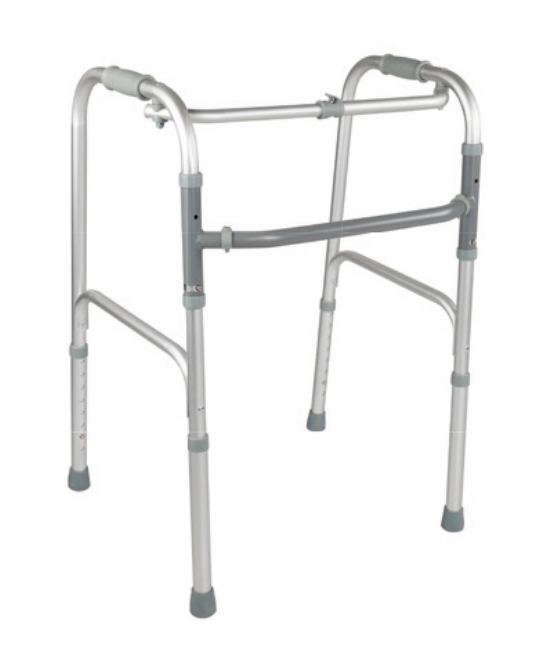
Lo spazio è un fattore di sicurezza quando le attrezzature vengono lasciate in un corridoio. Sedie a rotelle e deambulatori pieghevoli possono essere riposti a lato di una parete anziché ostruire una porta, ma è necessario verificare le dimensioni da piegati tenendo conto dei poggiapiedi, delle ruote, delle borse o dei vassoi effettivamente montati. Un prodotto che è tecnicamente pieghevole potrebbe comunque essere troppo alto per un armadio o troppo largo per un piccolo ascensore.
Anche le dimensioni della scatola sono importanti. I rivenditori nelle città densamente popolate possono tenere le scorte in un magazzino, mentre le famiglie possono portare l'articolo a casa in auto, in taxi o con un servizio di consegna. L'imballaggio deve proteggere le giunture e le parti regolabili senza ingombro eccessivo.
Pulizia semplice e facile accesso ai pezzi di ricambio.
Sedie da bagno, cuscini, puntali in gomma, piedini, viti e piccoli accessori sono soggetti a frequenti manipolazioni. Pavimenti bagnati e prodotti chimici per la pulizia possono usurare le parti morbide più rapidamente di quanto l'acquirente si aspetti. Una linea di prodotti per la cura della famiglia dovrebbe quindi includere un elenco chiaro dei componenti sostituibili, delle dimensioni compatibili e delle modalità per ordinarli.
Per una sedia da bagno, tutte le gambe devono essere alla stessa altezza, le viti devono rimanere ben strette e i pulsanti di regolazione devono essere completamente estesi. Questi controlli sono abbastanza semplici da poter essere dimostrati da un rivenditore e sufficientemente specifici da individuare un problema prima della consegna. gamma di sedie da bagno può integrare sedie a rotelle e ausili per la deambulazione quando un'offerta copre l'intera routine di assistenza domiciliare.
In che modo le condizioni del Sud-est asiatico influenzano la scelta dei prodotti?
Umidità, pavimenti bagnati e superfici interne miste
Nelle case e nelle strutture di assistenza del Sud-est asiatico, i prodotti possono essere esposti a umidità, schizzi d'acqua in bagno, pavimenti piastrellati, soglie irregolari e cemento esterno, tutto nell'arco della stessa giornata. Gli acquirenti dovrebbero prestare particolare attenzione ai rivestimenti del telaio, ai piedini in gomma, al drenaggio, alla protezione delle chiusure e alla velocità di asciugatura di tessuti o cuscini dopo il lavaggio.
Una sedia a rotelle utilizzata in una città costiera potrebbe richiedere un'attenzione diversa alla manutenzione rispetto a una utilizzata principalmente all'interno di un appartamento asciutto. Ciò non implica la necessità di una linea di prodotti completamente diversa, ma richiede istruzioni d'uso chiare e pezzi di ricambio facilmente reperibili.
Alloggi urbani e spazi limitati per chi si prende cura di persone non autosufficienti.
Gli appartamenti a Singapore, Malesia, Thailandia, Vietnam, Indonesia e Filippine sono molto diversi tra loro, eppure molti progetti di assistenza familiare condividono lo stesso limite: c'è poco spazio per girarsi, per riporre oggetti o per un secondo assistente accanto all'utente. La larghezza ridotta dei sedili, le strutture pieghevoli, la possibilità di sollevare pesi gestibili e l'accesso al letto possono essere più importanti di una lunga lista di funzionalità avanzate.
I documenti di gara devono descrivere la stanza e il percorso previsti. Un prodotto adatto a un ampio centro di riabilitazione potrebbe risultare difficile da installare in un bagno compatto o in una camera da letto con soffitti bassi. Richiedete le dimensioni da piegato e lo spazio necessario per il trasporto prima di effettuare l'ordine.
Istruzioni locali, imballaggio e aspettative relative all'assistenza post-vendita.
Spesso i membri della famiglia diventano gli utilizzatori del prodotto, quindi il manuale, le etichette sulla scatola, le istruzioni di montaggio e le avvertenze di sicurezza devono essere facili da seguire. Viti mancanti, indicazioni di altezza poco chiare o una leva del freno imballata male possono trasformare un semplice montaggio in un intervento di assistenza. Punte, impugnature, cuscinetti, poggiapiedi e parti di regolazione di ricambio dovrebbero essere elencati prima di formulare il preventivo.
Anche il rapporto con il fornitore necessita di un percorso di servizio pratico. Xunyu Medical Servizio OEM/ODM Può includere la dicitura dell'etichetta, la grafica della confezione, i pacchetti di accessori, l'approvazione dei campioni e la pianificazione dei pezzi di ricambio. Questi dettagli devono essere registrati rispetto al campione approvato e ripetuti nella produzione in serie.
Come gli acquirenti possono creare una linea di mobilità separata per la cura della famiglia
Una linea dedicata non necessita di decine di modelli. Deve coprire i momenti di cura più comuni, con chiare differenze tra le opzioni base e quelle di supporto più avanzato. Questo rende la vendita e l'assistenza più semplici rispetto a un catalogo con adattatori diversi per ogni articolo.
Un livello base può includere stampelle regolabili e deambulatori pieghevoli per gli spostamenti in casa e la riabilitazione. Un livello di mobilità può aggiungere sedie a rotelle manuali o pieghevoli per gli utenti che non possono camminare in sicurezza per lunghe distanze. Un livello di sicurezza domestica può comprendere sedie da bagno, sponde del letto, supporti per il WC e altri ausili per il trasferimento. Ogni livello dovrebbe avere un profilo utente definito, una portata massima, un intervallo di regolazione e un ambiente di cura specifici.
Prima di emettere un bando di gara, gli acquirenti devono campionare ogni strato e testare freni, allineamento delle ruote, giunzioni del telaio, pulsanti di regolazione dell'altezza, puntali in gomma, piedini, viti, imbottiture e supporti rimovibili. Registrare le dimensioni della scatola, il numero di accessori, la versione delle istruzioni e le dimensioni da piegato. Una configurazione di imballaggio modificata comporterà comunque dei resi.
La gamma finale dovrebbe tenere conto del quantitativo minimo d'ordine (MOQ), dei tempi di consegna, dei pezzi di ricambio, della gestione della garanzia e del packaging con marchio privato. Affidarsi a un unico fornitore di soluzioni per la mobilità con comprovata esperienza potrebbe essere più semplice che effettuare diversi acquisti separati, a condizione che ogni modello abbia un ruolo ben definito e specifiche coerenti.
Domande frequenti
D1: Quali prodotti dovrebbe inserire per primi un acquirente in una linea di prodotti per la mobilità familiare?
A1: Iniziate con stampelle regolabili, deambulatori pieghevoli, sedie a rotelle manuali e sedie da bagno. Insieme, coprono le esigenze di deambulazione, trasferimento, igiene personale e convalescenza senza richiedere un ampio showroom o magazzino.
D2: Cosa si dovrebbe testare prima che una gara d'appalto per l'assistenza familiare si trasformi in un ordine all'ingrosso?
A2: Verificare i blocchi di regolazione, i freni, la stabilità del telaio, le dimensioni da chiuso, la completezza degli accessori, i punti di pulizia e la disponibilità di piccoli pezzi di ricambio. Questi controlli individuano i problemi che più probabilmente possono causare ritardi nell'installazione, resi e reclami da parte degli assistenti.
D3: Un singolo fornitore può supportare una linea di prodotti per la cura della famiglia a marchio privato?
A3: Sì, se il fornitore è in grado di documentare il campione approvato, l'imballaggio, i manuali, gli accessori, i pezzi di ricambio e i punti di controllo del lotto. Gli acquirenti dovrebbero confermare questi dettagli prima della produzione, in modo che un ordine a marchio privato non arrivi con componenti non conformi o un'assistenza post-vendita poco chiara.


