
内部バナー1

Crutches for Disabled People: Procurement Guide for Medical Buyers

Time : Aug 13, 2026 視聴数 : 18

内容表

    Crutches for Disabled People Procurement Guide for Medical Buyers

    A crutch purchase can look routine until the first container reaches a distributor and the product mix does not fit the people who will actually use it. A rehabilitation retailer may need adjustable underarm pairs in several size bands. A pharmacy chain may need compact cane-style items that are easy to display. A care program may be more concerned with replacement tips, clear instructions, and repeatable packing.

    Start With the Buyer’s Use Case, Not the Product Label

    Retail, care distribution, and rehabilitation channels do not need the same mix

    For a general retail channel, a short selection of familiar walking aids usually moves more predictably than a wide catalog of near-duplicate models. Buyers should decide early whether their priority is recovery support, daily balance assistance, occasional outdoor walking, or a product that gives the user a place to pause. Each need changes the preferred frame, adjustment range, accessory set, and carton plan.

    Healthcare distributors face a different issue. They may be supplying clinics, home-care providers, or tender projects where repeat orders must match the approved sample. A product that looks acceptable in a showroom can still create complaints if the grip height shifts between batches, the rubber tips vary, or the printed instructions are not suitable for the destination market. A clear item specification reduces those surprises.

    Assess Medical Crutches by Construction and Fit

    Aluminum frames need a practical specification

    Aluminum crutches are often selected for their manageable weight and corrosion resistance, but the buyer still needs to ask what is consistent across the order. Tube thickness, surface finish, adjustment mechanism, pad material, and fastener fit all influence how the item feels after repeated handling. Ask the supplier to identify which items are standard and which can change with a custom order.

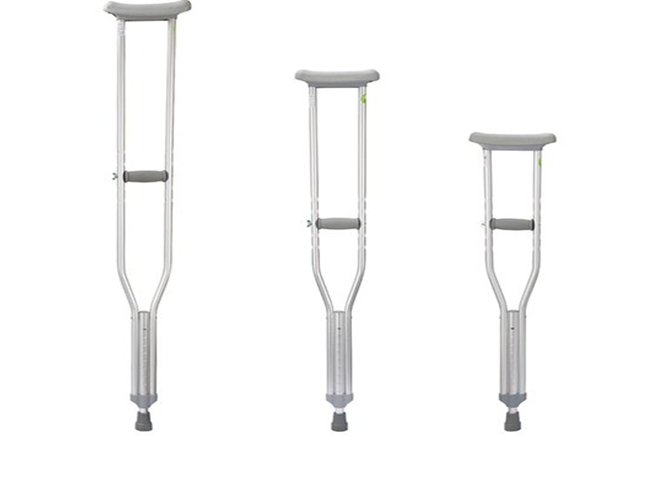
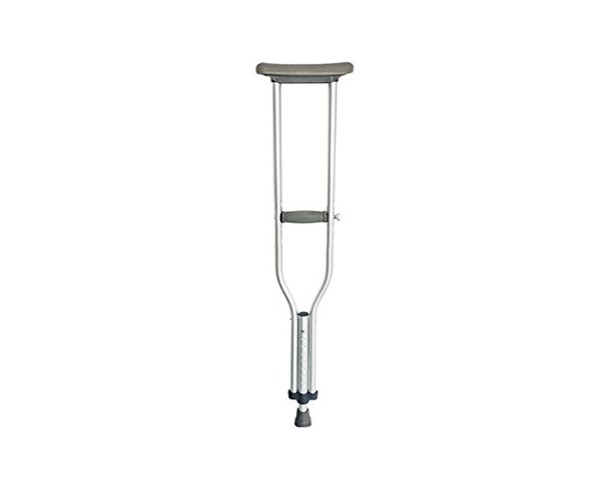
    例えば アルミニウムアンダーアーム医療クラッチXY-925 is offered with fog-silver aluminum alloy, 1.0 mm, 1.1 mm, or 1.2 mm tube options, a nine-level foot-tube adjustment, and a five-level grip adjustment. It is also offered in small, medium, and large height ranges. That makes it a useful reference point for buyers who need to define a size assortment instead of relying on a single adult length.

    Tips, grips, and replacement parts affect the return rate

    The foot tip is a small part with a large commercial effect. If a tip wears prematurely, marks flooring, or becomes difficult to replace, the distributor inherits a service problem that was not visible on the order sheet. Sample checks should include grip on smooth indoor flooring, seating of the tip on the tube, and whether spare tips can be ordered by the same item code. The same applies to underarm pads, handgrips, adjustment pins, and straps.

    Build a Product Mix That Matches Sales Channels

    Use a core range, then add specialized mobility aid products with a reason

    A practical first assortment often starts with adjustable underarm models in the sizes most relevant to the target market. From there, add one or two differentiated items only when they solve a recognizable use case. The 座席XY-910の軽量クラッチ is an example of a different channel proposition: it folds for walking use and opens into a small resting seat. Its 19 mm and 22 mm aluminum tubes, honeycomb foot pad, and optional cane head or light create a distinct story for mobility retailers rather than a duplicate of a standard underarm pair.

    This approach keeps the range easier to merchandise and reorder. A mixed shipment of crutches, walkers, shower chairs, and other mobility aid products can be sensible when a distributor already serves elder-care outlets. It is less sensible when the buyer has not planned carton allocation, display space, or product training. Extra SKUs without a channel purpose can turn a broad catalog into slow-moving inventory.

    Use Samples to Protect the Crutches Bulk Order

    Turn the sample review into a repeatable release standard

    A sample should do more than confirm color and appearance. Record the tube thickness selected, adjustment positions, size range, net packing method, label artwork, included instructions, and the part number for every replaceable item. Take photos of the sample next to its carton and keep the approved wording with the purchase order. That reference is useful when a warehouse receives the first shipment or when a later batch needs to be checked.

    For a crutches bulk order, inspect several pieces from the sample set rather than one display unit. Extend and retract every adjustment point. Check that the grips sit evenly, the underarm supports have no rough edges, and the tips contact the floor evenly. Review carton drop protection and internal separation as well. Scratched frames, missing accessories, or unclear outer labels cost more once products are already distributed to dealers.

    Choose a Supplier That Can Repeat the Approved Product

    The supplier conversation should move beyond an attractive quotation. Ask who confirms the approved sample before production, how configuration changes are communicated, what records are kept for incoming materials, and how replacement parts are handled after shipment. A buyer also needs a direct answer on MOQ, lead time, carton markings, and the documents available for the destination market. Vague replies at this stage often become costly clarifications later.

    Xunyu Medical produces crutches alongside walkers, shower chairs, bedside commodes, and other elderly-assistive-device categories from a factory of about 4,000 square meters in Foshan. That broader range can help a distributor plan related product groups, while the dedicated ODM/OEM support discussion is the right place to define packaging, labeling, or configuration requests before the order reaches production. For buyers who want to compare options, Xunyu 医療 also maintains a crutch category that includes adjustable underarm, seat-equipped, and cane-style products.

    アルミニウムアンダーアーム医療クラッチXY-925

    Product-level details matter most when they are tied to a channel decision. An anti-slip pad, multiple adjustment points, or a seat function is not just a feature list; it changes who can sell the item, what must be explained to staff, and which spare parts should be planned before launch.

    Make the Final Purchase Decision Easier to Defend

    Before confirming a supplier, compare the chosen models against the actual selling route. Confirm the user range, size split, aluminum specification, adjustment positions, tip replacement plan, sample record, carton layout, labeling, and delivery schedule. If any point is still open, treat the quotation as incomplete rather than assuming it will be resolved after payment.

    For quotations, samples, or customized packaging discussions, Xunyu Medicalに問い合わせる with the intended market, expected order quantity, and the product configuration you want checked. That gives the sales team enough context to suggest a relevant medical crutches range instead of sending a generic list.

    FAQについて

    Q1: What should buyers check first when selecting medical crutches?

    A1: Start with the use case and user height range, then confirm frame material, adjustment points, tip design, and the parts that may need replacement. A low price does not help if the item creates returns or cannot be matched on a later order.

    Q2: How can a buyer reduce risk on a bulk order?

    A2: Approve a documented sample and use it as the release standard. Compare several sample pieces, record the chosen configuration and packing details, and confirm how any production change will be communicated before shipment.

    Q3: Can Xunyu Medical discuss customized crutch or packaging requirements?

    A3: Yes. Share the target market, planned order volume, preferred configuration, and packaging needs early. This makes it easier to confirm whether a standard crutch model, a related mobility item, or an ODM/OEM request is the better fit.

    ホーム
    WhatsApp の
    メール
    連絡先