

High-Use Care Wheelchair Design in Humid Areas: What to Prioritize
Time : Jul 13, 2026 View : 429

In humid care settings, wheelchairs face more than normal daily wear. Moist air, frequent cleaning, wet floors, and repeated folding can slowly affect frames, wheels, brakes, and seat materials. For B2B buyers, this means wheelchair design has to be checked for long-term use, not only from catalog appearance or basic price.
Why Humid Care Environments Put More Pressure on Wheelchair Design
A wheelchair used at home may move a few times a day. A wheelchair used in a care center is different. It may be used by several people, moved across tiles and ramps, folded for storage, opened again, then pushed through narrow doors or elevators.
That kind of use quickly exposes weak points. A small looseness in a footrest may become a complaint. A wheel that feels slightly rough during sample testing may become noisy after repeated daily use. Brake handles, folding joints, armrests, seat screws, and rear wheel fittings all need attention.
Moisture does not damage every wheelchair at once. It works slowly. Frame coating may start to fail around welded areas or screw holes. Bearings may become rough if water and cleaning residue get inside. Brakes may feel less smooth after repeated contact with damp floors. Seat and backrest materials may also feel hot or harder to dry.
What Frame and Surface Design Should Buyers Prioritize
Corrosion Resistance Matters More Than Appearance Alone
In humid areas, corrosion resistance should be treated as a basic buying point. Buyers should ask about frame material, coating process, exposed hardware, and how the supplier handles joints and drilled holes. Rust often starts where the coating is thin. That can be near screws, folding points, brake brackets, or welded corners. These areas should be checked during sample review.
Welding, Coating, and Hardware Quality Affect Long-Term Durability
Wheelchair durability is not only about tube thickness. Welding, coating, screw quality, brake fittings, and footrest hardware all matter. A stable frame needs clean welding and firm connection points. The coating should cover edges and corners properly.
A buyer checking samples should fold and unfold the wheelchair several times, not just look at it standing still. Push it across a rough floor. Lock and release the brakes. Lift it by the frame.
Foldable and Lightweight Structures Should Still Stay Stable
Foldable and lightweight wheelchairs are useful for care facilities. Staff can store them more easily, move them into vehicles, and handle them with less effort. But lightweight design should not make the chair feel weak.
A foldable wheelchair should lock firmly after opening. The frame should not twist too much when turning. The seat should stay level. The footrest and armrest should stay aligned after repeated folding.
How Wheels and Braking Systems Affect High-Use Care Performance
Wheels and brakes receive the most direct daily stress. In humid care environments, floors may be wet, recently cleaned, or uneven near entrances and wash areas. A good wheelchair should roll smoothly and stop reliably without needing constant maintenance.
Solid Wheels Reduce Maintenance in Wet or Uneven Conditions
Solid wheels are often practical for high-use care settings because they avoid air pressure checks and puncture problems. Xunyu Medical’s wheelchair category includes models with 8-inch and 12-inch solid wheel options. For buyers, wheel size should match the site. Smaller wheels may suit narrow indoor spaces, elevators, and short-distance transfer. Larger wheels may feel better on uneven floors or longer facility routes.
Honeycomb Wheel Designs Can Balance Comfort and Durability
Honeycomb wheel designs can be a useful middle option. They avoid the maintenance of air-filled tires while offering more comfort than very hard wheels in some use settings.
Xunyu Medical offers 12-inch honeycomb wheel models with configurations such as black frame, Oxford seat, leather, pull rod, and storage basket. These details can be useful for buyers who need transport convenience, storage space, or a more finished product for care facilities and distributors.
Brake Reliability Should Be Checked Under Repeated Daily Use
Brake quality should be checked carefully. In care facilities, brakes are used during transfers, waiting, cleaning, storage, and patient positioning. A weak brake is not a small problem.
Buyers should test brake locking, release feel, lever strength, and grip on the wheel. It is also useful to test brakes after the wheelchair has been pushed for a while, because some parts feel different after repeated movement. In humid areas, cleaning residue and wet floors can change how brakes behave. A sample test should include repeated brake use, not only one quick lock in a dry showroom.
What Seat and Backrest Materials Work Better in Humid Areas
Seat and backrest materials affect comfort, cleaning, odor control, and daily maintenance.
Breathable Seat Materials Help Reduce Heat and Moisture Build-Up
Breathability matters when users sit for longer periods. A seat that traps heat may feel uncomfortable, especially in rooms without strong ventilation. For care facilities, this may affect user satisfaction and cleaning frequency.
Mesh-style materials can help with airflow. Oxford fabric can be durable and practical for frequent use. Buyers should not assume one material is best for all users. The sitting time, cleaning routine, and facility type should guide the choice.
Oxford, mesh, and leather options each fit different use cases. Oxford is often a good general option where durability and daily cleaning matter. Mesh may fit warmer environments or long sitting sessions. Leather-like material may work for transport or higher-end service settings where quick wiping is important.
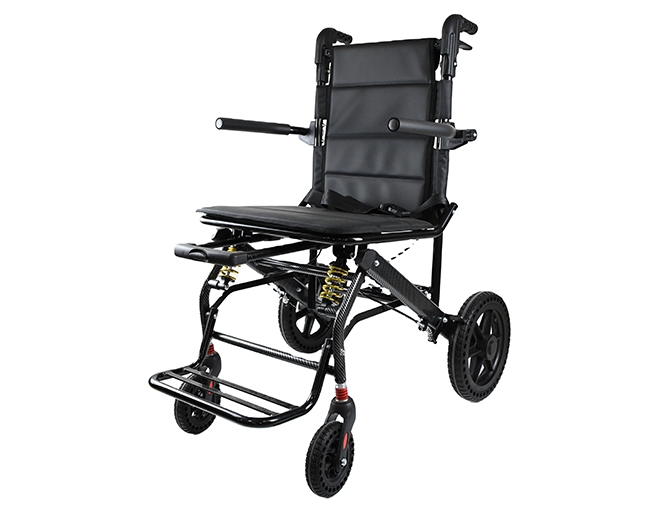
Xunyu Medical’s wheelchair product range includes options with Oxford seats, leather, honeycomb wheels, storage baskets, and pull-rod designs. For buyers, these are not just selling points. They should be matched with real facility needs. A transport chair may need different fabric and wheel choices from a ward-use chair.
Removable or Easy-Clean Parts Support Facility-Level Maintenance
High-use care wheelchairs need easy cleaning. Seat covers, cushions, armrests, footrests, and wheels should be simple to wipe or replace. If cleaning takes too much time, staff may not do it well, and that creates hygiene and service problems.
For distributors, spare parts are also important. A seat cushion, brake part, or wheel may need replacement before the frame does. Buyers should ask whether the supplier can provide spare parts after shipment, not only complete chairs.
Procurement Advice for High-Use Care Wheelchairs in Humid Areas
Compare Frame Material, Wheel Type, Brake Parts, and Seat Fabric
Do not compare only model names. Check frame coating, folding joints, wheel size, wheel structure, brake hardware, seat material, footrest design, and user weight range. If possible, test a shock-absorbing model such as XY-A13-46 Shock Absorbing Model against standard wheel designs to see which one fits the use case better.
For indoor short-distance transfer, a simple solid wheel model may be enough. For longer daily movement, comfort and shock absorption may matter more.
Request Samples for Humidity, Cleaning, and Repeated-Use Checks
Samples should be tested under realistic conditions. Wipe the frame and seat several times. Push the chair across damp or uneven floors. Fold and unfold it repeatedly. Test brake locking after movement. Check whether the seat dries easily. These simple checks help buyers avoid problems before bulk orders.
Confirm MOQ, Lead Time, Spare Parts, and After-Sales Support
Before placing an order, buyers should confirm MOQ, sample time, bulk lead time, export packing, spare parts availability, and after-sales response. Wheelchairs often need replacement parts later, so a supplier that can only sell complete units may not be enough for long-term projects.
Check OEM/ODM Options for Local Market or Facility Branding Needs
Some buyers need different seat materials, carton printing, local branding, color changes, or project-specific configurations. Xunyu Medical provides wheelchair products and service channels, including ODM/OEM and service support, which can help buyers discuss local market needs before confirming bulk production.
FAQ
Q1: What wheelchair design is better for humid care environments?
A1: The ideal wheelchair should be built on a sturdy frame, have anti-corrosive coating, strong brakes, robust wheels, and washable seats. Prospective purchasers need to examine the wheelchair’s foldability, its bearings, availability of spares, and cleaning capability prior to making purchases in bulk.
Q2: Should buyers choose solid wheels or honeycomb wheels?
A2: Solid wheels are easier to maintain and work well where buyers want fewer tire problems. Honeycomb wheels may offer a better comfort and durability balance. The right choice depends on floor condition, daily travel distance, user comfort, and maintenance capacity.
Q3: What should distributors confirm before bulk wheelchair orders?
A3: The distributors must check on issues such as MOQ, lead time, export packaging, spare parts availability, ODM/OEM capabilities, seat material, wheel types, quality of brakes, and after-sales service. Testing of samples is advisable under conditions of repeated use and cleaning.


