

How Can Bath Chair Design Improve Safety in Care Projects
Time : Aug 05, 2026 View : 525
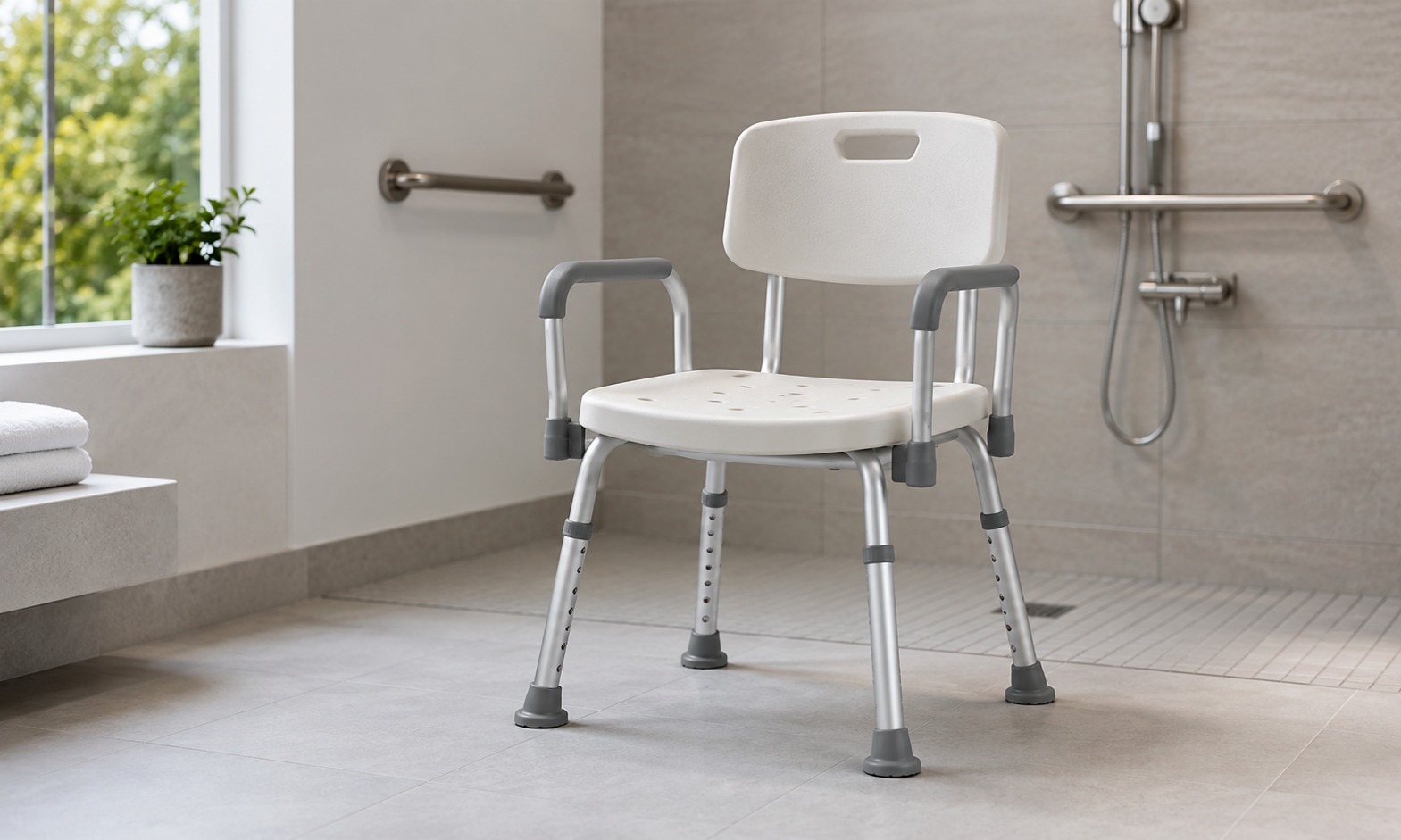
A bath chair is a small piece of equipment, but the safety decision behind it is not small. For an older person or someone with limited balance, a stable seat can make the difference between a controlled shower and a fall on a wet floor.
Why Bath Chair Safety Design Matters in Care Projects
Bathroom accidents rarely come from one dramatic defect. More often, a foot is not level, a screw has loosened, the seat collects water, or the user cannot reach a stable handhold during a transfer. Each detail adds risk, and the problem becomes more serious when staff use the same chair many times a day.
For importers, design is therefore tied to more than user comfort. It affects assembly time, cleaning routines, replacement-part demand, complaint rates, and whether a distributor can explain the product clearly.
Which Bath Chair Designs Improve Safety Most
Stable frame and anti-slip feet
The frame should resist rocking when the user sits down, turns, or reaches for a shower fixture. Wide leg spacing helps, but geometry alone is not enough. The feet need a firm grip on common bathroom surfaces, and the leg tubes should not twist when weight shifts to one side.
Height adjustment is another practical safety feature. Every leg must lock at the same height, with adjustment buttons fully extended and visible. Xunyu Medical’s bath chairs are the useful examples of the check buyers should expect: its installation instructions call for equal leg heights, tight screws, and fully popped-up buttons. Those checks are simple, but they prevent a chair from standing unevenly after assembly.
Seat surface and drainage
A safe seat should support the user without becoming a smooth, slippery platform. Textured plastic, drainage openings, and rounded edges help water leave the sitting area. The surface should also tolerate regular cleaning without becoming rough, cracked, or discolored.
The drainage pattern matters in institutional use. Small openings may be comfortable yet slow to rinse when soap and disinfectant residue builds up. Larger openings may drain faster but need to be checked for comfort and clothing snag points.
Backrest, arm support, and height adjustment
A backrest can help users who tire quickly, while arm supports give the user a more predictable point for sitting down and standing up. These parts should not flex excessively under side loading. Their edges also need to stay clear of transfer paths, especially in narrow bathrooms where a caregiver may need to stand close to the chair.
Not every project needs the same level of support. A compact shower stool may fit a small apartment, but a rehabilitation center may need a backrest, armrests, stronger joints, and a higher load rating. The important purchase question is whether the design matches the user assessment and the available bathroom space. A wider or heavier chair is not automatically safer if it blocks a transfer route.
Toilet-seat or multi-use structure for specific care settings
In home care and bedside care projects, a bath chair with a toilet-seat structure can reduce the number of transfers for users who cannot walk safely to a separate bathroom facility. It may also make night-time care easier. At the same time, the opening, bucket or bowl support, splash protection, and cleaning access need close inspection. A multi-use design adds value only when staff can clean it quickly and replace the related parts.
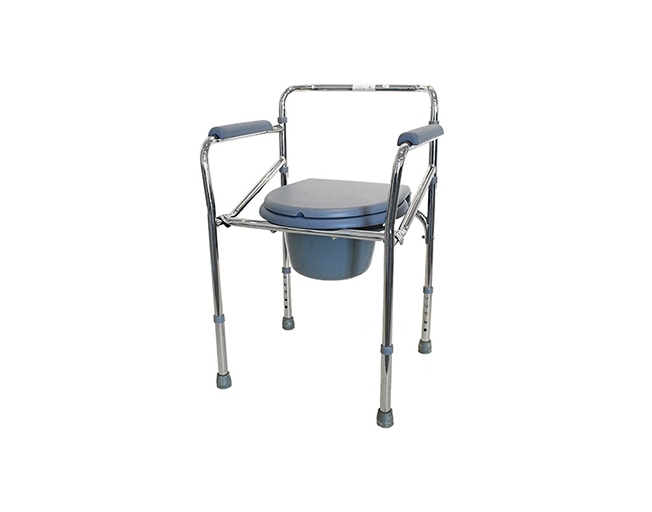
Products such as the XY-894 shower chair with toilet seat illustrate why the use case should come before the model choice. A distributor serving home caregivers may value the combined function, while a hotel or outpatient shower project may prefer a simpler seat that is faster to disinfect.
How Importers Should Check These Designs Before Buying
Test stability in real wet conditions
Sample testing should take place on the types of floors found in the target market, including wet ceramic tile. Sit, stand, turn, and apply side pressure to the arm supports. Check whether the feet slide, whether the frame rocks, and whether the height pins remain fully engaged after repeated adjustment. A short dry-floor test can miss the very condition that creates the complaint.
Check assembly parts and accessory completeness
Open several cartons, not only one sample. Count screws, washers, adjustment buttons, feet, bowls, and tools against the packing list. Confirm that the instruction sheet shows the actual model and uses clear diagrams.
Confirm batch consistency and spare-parts support
Before a bulk order, record the approved sample configuration: tube dimensions, seat texture, foot material, screw length, color, packaging, and labels. Ask how these points will be checked in production. Replacement feet, screws, and moving parts should have a reorder route, because small components are often the first items needed after several months of use.
A supplier with a focused assistive-care range can make this process easier when the product family, packaging, and repeat-order communication are handled together. Xunyu Medical combines bath chairs with other elderly-care equipment, and its OEM/ODM support is relevant when a buyer needs a private-label configuration, different carton artwork, or a project-specific accessory list.
Procurement Advice for Different Care Projects
For home-care retail, prioritize simple assembly, stable feet, clear instructions, and a seat that is easy to clean. Compact dimensions and a manageable carton may matter more than extra functions, because family members often assemble the chair without technical help.
For nursing homes and assisted-living facilities, focus on repeated cleaning, structural fatigue, adjustment locks, replaceable feet, and consistent batch quality. Staff need a model that can be checked quickly before use. For rehabilitation and hospital transfer projects, give more weight to arm support, transfer clearance, load rating, and the behavior of the chair when a user shifts weight.
Before approval, ask four practical questions: Can the chair stay stable on a wet floor? Can a caregiver confirm every lock without tools? Can the product be cleaned and dried without hidden residue? Can the supplier repeat the same configuration and provide small replacement parts? Clear answers reduce both safety incidents and after-sales work.
FAQ
Q1: What is the first design point to check in a bath chair sample?
A1: Check stability on a wet floor, then inspect equal leg height, fully engaged adjustment buttons, tight screws, and the grip of each foot. These points affect immediate user safety and are easy to miss in a showroom review.
Q2: Does every care project need a bath chair with armrests and a backrest?
A2: No. A compact stool may suit an independent user in a small bathroom. Users with weak balance, fatigue, or transfer difficulty usually need more support, provided the chair still leaves enough room for the caregiver.
Q3: What should an importer record after sample approval?
A3: Record the frame, seat, feet, adjustment parts, fasteners, accessories, packaging, labels, and instruction sheet. Keeping that reference prevents quiet changes between the sample and later batches.
Q4: Can a private-label bath chair still use a standard design?
A4: Yes. Many buyers keep the proven frame and customize the logo, color, carton, manual, or accessory combination. The approval process should state exactly what changes and how the final batch will be checked.


