

How to Select the Best Bed Rail for Seniors and Disabled Users in 2026
Time : May 20, 2026 View : 1,309
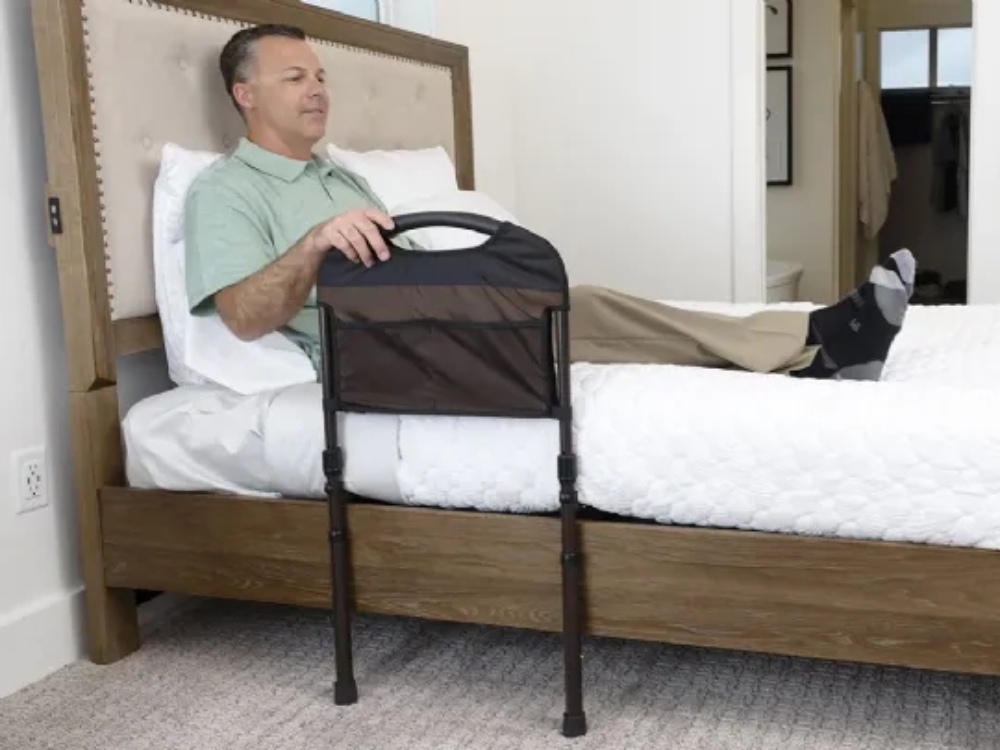
Selecting the proper bed rail in 2026 goes beyond just stopping falls. For people with disabilities, a suitable bed rail can aid safer transfers, simpler repositioning, improved independence, and increased confidence in everyday care. Before reviewing models, materials, and setup choices, you should understand what bed rails aim to achieve and how they can offer the most benefit.
Understanding the Purpose of Bed Rails for Disabled Individuals
Bed rails for those with disabilities act as key aids that boost safety and self-reliance in routine care tasks. They function as steady supports for people with reduced movement, providing ease and avoiding mishaps.
The Functional Role of Bed Rails in Daily Care
Bed rails give physical backing for shifting, repositioning, and steadiness. They cut down the chance of tumbles and harm while sleeping or moving, which matters a lot for older or disabled people who struggle with balance. Well-made rails can improve self-reliance and protection by letting users change their spot without help from caregivers. Thus, they play a vital part in daily routines.
Differentiating Between Hospital and Home Bed Rails
Hospital bed rails usually fit into adjustable frames and link to medical tools, giving high levels of adjustment for hospital settings. On the other hand, rails for home use stress comfort, simple setup, and looks that match regular furniture. Picking one over the other relies on the person’s movement ability and the care space.
Key Factors to Consider When Choosing a Bed Rail in 2026
Picking the best bed rail means weighing usefulness against specific user requirements. By checking these elements, you ensure top safety and ease for ongoing care.
Assessing User Needs and Physical Condition
You must check the user’s power, movement limits, and transfer skills before choosing a bed rail. Some people mainly need rails for aid when rising or shifting position; others require them to stop unplanned falls at night. Experts like occupational therapists can offer useful advice on fitting models based on body checks and room arrangements.
Compatibility with Bed Type and Mattress Design
Fitting well is crucial for safe operation. Make sure the rail attaches firmly to standard, hospital, or adjustable beds, as mattress depth influences rail level and firmness. A bad fit can lead to trapping dangers or wobbliness that endangers the user—particularly if spaces appear between the mattress side and rail parts.
Material Quality and Durability Standards
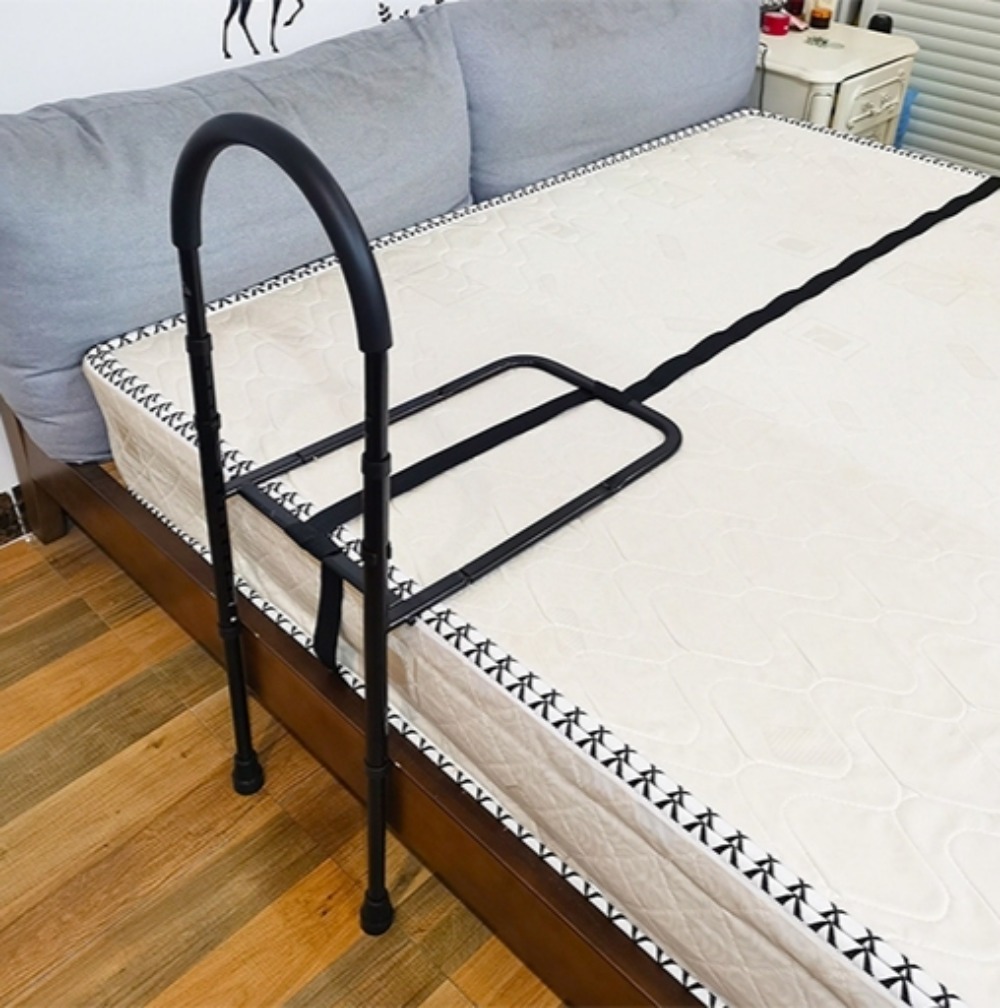
The lasting power of bed rails hinges mostly on build materials and finishes applied. Seek strong steel or aluminum frames with rust-proof layers to lengthen life even in damp spots like care homes. If you are looking for similar products, Carbon Steel Medical Bed Rails XY-429 would be the ideal choice. It uses high-carbon steel with oxidized spray coating, a removable build, a no-drill setup, a storage bag, a foam handle, a flat tube style, and height changes from 83 to 107 cm. As a result, it meets global lasting standards like ISO and gives user-friendly features for extended use.
Exploring Different Types of Bed Rails Available in 2026
The market provides several kinds of bed rails made for various needs—from steady fixed types that give ongoing aid to flexible adjustable ones that add options for users and helpers alike.
Fixed Bed Rails for Stability Support
Fixed bed rails work well for those needing solid edges during rest or healing times. They deliver steady aid without moving parts or folding systems—often seen in hospitals or recovery areas, where a firm hold matters more than bendability.
Adjustable Bed Rails for Seniors and Disabled Persons
Height Adjustable Models: These let you tailor based on user size or mattress setup while keeping safe links. For example, Xunyu Medical’s XY-429 includes several height settings from 83 to 107 cm overall, so it fits diverse bed levels well.
Foldable or Swing-Away Designs: Foldable or swing-away styles make getting in and out of bed simpler without taking the whole thing off—great for helpers who assist often. Such designs enhance daily access without hassle.
Portable and Detachable Bed Rails
Portable choices offer light but tough options from carbon steel with drill-free install methods. Their removable setup suits trips or short-term needs, yet they hold key steadiness with foam holds and flat-tube builds.
Safety Considerations When Using Bed Rails for Disabled Persons
Using bed rails correctly demands following firm safety rules to avoid harm risks, all while keeping access easy.
Preventing Entrapment and Injury Risks
To stop trapping, ensure the right gaps between bars so body parts won’t get caught in motion. Check locking parts often to spot damage soon before issues arise. Moreover, stick to maker rules on weight limits—units like the XY-318 handle up to 136 kg—to keep the build sound under load.
Balancing Safety with Accessibility Needs
Designs that restrict too much can block self-movement and reduce freedom; thus, choose setups that permit safe solo shifts when feasible, yet still form guards against drops.
Technological Innovations in Bed Rail Design by 2026
Changes in aid tech have brought clever traits to current bed rail setups, focused on better watching and user ease.
Smart Safety Monitoring Features
Fresh units include movement detectors that spot odd patterns, like unsafe tries to leave the bed—and they warn helpers right away through phone apps linked to home systems.
Ergonomic Enhancements for Comfort and Usability
Shaped grips that fit the hand ease strain during shifts, while even edges cut down on skin-rub risks—helpful for those with thin skin from age-related issues. These tweaks make handling more comfortable over time.
Practical Tips for Installation and Maintenance of Bed Rails
Before starting daily use, put it together correctly by following the clear maker guides in the box.
Proper Installation Techniques
Stick closely to all maker steps when fixing brackets or steady bars; wrong placement might cause shakes in action. Test the solid feel first, ensuring it sits even with the mattress sides.
Routine Maintenance Practices
Wipe surfaces often with gentle soap mixes, especially in care spots where clean standards matter. Add oil to joint parts now and then to keep motion smooth.
Evaluating Cost Versus Long-Term Value in 2026 Market Options
When looking at items in different price levels, weigh value for money against lasting hopes over years, not just starting costs.
Comparing Price Ranges Across Product Categories
Simple fixed types stay cheap but miss the extra tweaks in mid-level adjustable ones, which give better body-fit changes at small added prices, fitting home recovery well.
Considering Warranty, After-Sales Support, and Replacement Parts Availability
A longer warranty often shows that the manufacturer has confidence in the product’s durability. When choosing a bed rail, buyers should also check whether after-sales support is easy to reach and whether key replacement parts, such as screws, handles, pads, or storage bags, are available. This helps reduce long-term use problems and makes the product more practical for daily care.
FAQ
Q1: What type of bed rail is best suited for elderly individuals living alone?
A1: Height-adjustable models such as XY-429 are ideal because they combine sturdy carbon steel construction with flexible adjustment ranges (83–107 cm), allowing customization according to mattress height while maintaining safety against falls.
Q2: How often should I inspect my bed rail system?
A2: Regular inspections every few weeks are recommended to check locking mechanisms or loose fittings; this routine aligns with Xunyu Medical’s emphasis on responsibility toward user safety through continuous quality assurance practices.
Q3: Where can I purchase reliable hospital-grade bed rails?
A3: You can explore certified options directly from Xunyu Medical. Their range includes fixed, adjustable, and detachable styles designed under international quality standards suitable both for hospitals and home care environments.


