

Top Crutches for Knee Surgery: Which Models Prevent Armpit Bruising
Time : Jul 20, 2026 View : 655
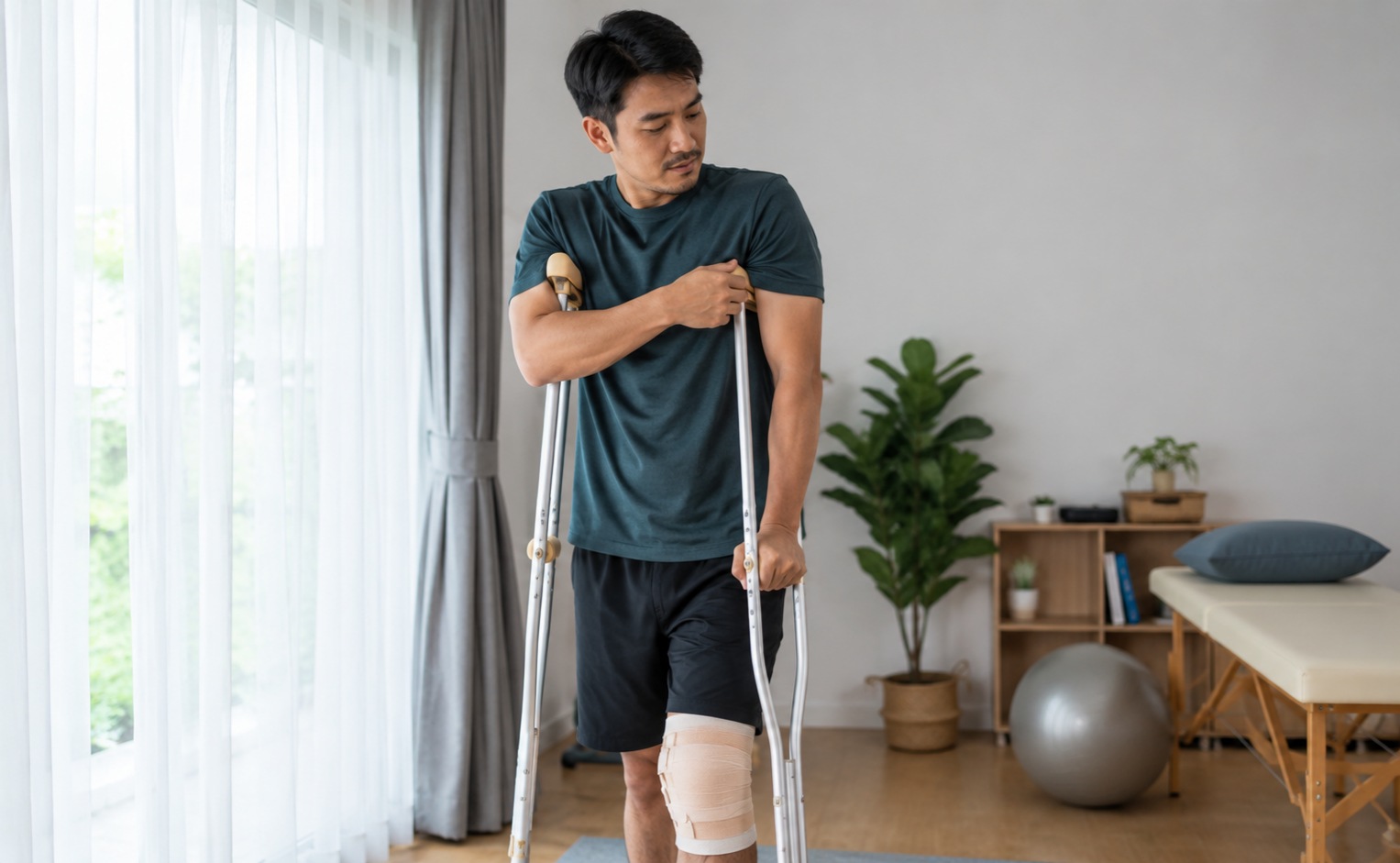
When patients use crutches during their recovery process, they can be in for several weeks of use, often on a daily basis. In addition to height, crutches feature padding and weight distribution to the underarm area as well as a handle. To avoid developing pressure marks on the underarm area that cause discomfort, distributors as well as suppliers of medical equipment choose the suitable model.
Why Do Some Crutches Cause Armpit Bruising After Knee Surgery?
Many armpit discomforts are caused by improper fitting of the crutch. A crutch that is set too high will typically press against the underarm, while a crutch that is set too low causes the user to lean forward and subsequently places excessive pressure on their hands and shoulders. Hospitals and rehabilitation centers as well as retail channels need to have clear product instructions for well-designed crutches. Without proper use due to the wrong adjustment of the crutch, complaints cannot be excluded.
The way a crutch is constructed and how forces are distributed from it are two things. A narrow underarm support surface made of an uncomfortable material, or an imbalance between the upper support and hand grip, can cause increased pressure as the device is used on a daily basis.
A good quality crutch is designed to distribute body weight in a manner that does not place excessive strain on the underarm area. This is achieved by the quality of the handle, frame, and rubber foot all working in unison to offer the user the best possible balance.
What Features Should Buyers Look for to Reduce Armpit Pressure?
Adjustable Height and Ergonomic Structure
First we take a look at the height adjustment of the product. A good range of height adjustment is important and allows different users to use the product in the most correct position.
For example, underarm crutches are a very common product that is used during post-surgery to provide support to the upper body as one leg is unable to bear full weight. The buyer needs to consider whether the product can be easily adjusted to suit their height, whether the locking mechanism is safe, and whether replacement parts are available.
Lightweight Materials Improve Daily Handling
When selecting the material for the crutches, consideration needs to be given to the user’s experience as well as the logistics of the item. Aluminum alloy is a widely used material for crutches, as it provides an excellent strength-to-weight ratio for a lightweight product.
A lighter product will also save distributors of ours in terms of the costs of transportation. Less space in the warehouse. Easier to handle in distribution. An overall better product for our customers.
Grip, Foot Pad, and Stability Design
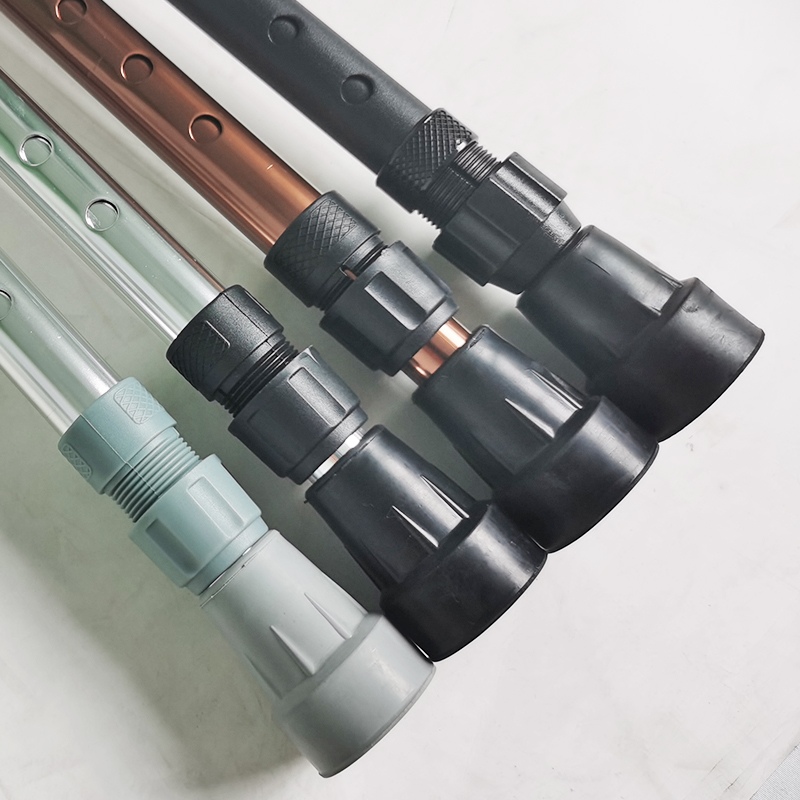
While many procurement decisions are made for the upper part of a crutch, equal consideration must also be given to the lower part of the crutch. The anti-slip foot pads on stools change depending on the floor surface. The comfortable grips on the legs affect how long you can use the stool for before you need to move it. A stable base on stools helps to stop them moving around excessively when being used.
What Types of Crutches Should Distributors Compare?
Underarm Crutches for Post-Surgery Recovery
Underarm crutches are the most common type of crutch used for short-term recovery from knee surgery. They are chosen by users that require strong support of their walking during the early stages of recovery. An example of the above category would be Xunyu Medical’s Aluminum Underarm Medical Crutch XY-925.
Lightweight Crutches for Retail and Home Care Channels
Not all users need heavy-duty recovery products; home care users may need lighter versions of recovery products that are easy to store and transport.
An example of a more flexible product direction would be to develop the Lightweight Crutch With Seat XY-910. The additional value of the seat for the occasional rest for the user is very attractive. For retailers, it also provides a different product for home care channels.
The type of product offered by suppliers to distributors can be a value added to normal crutches in order to increase the base of potential customers of the distributors.
Surgical Crutches for Rehabilitation Programs
Products for the recovery phase of a rehabilitation center or a medical project. XY-911 Aluminum Alloy Crutch for Surgery is a surgery-focused product. When selecting products in this category, evaluation should be based on features such as the number of times the height can be adjusted, frame durability, packaging, and repeated use in hospitals, clinics, etc.
Walking Canes as Complementary Mobility Products
A complete mobility product line typically consists of more than one type of support article. A distributor may stock mobility aids for users of crutches as well as for users of walking canes at a later stage of their recovery. By stocking a range of such products, a distributor can create a wider product range, which can provide better channel coverage.
How Should B2B Buyers Evaluate Crutch Suppliers?
Check Product Range Instead of One Single Model
A supplier with multiple mobility products is better able to support more different customer cases than a supplier with only one type of product. Thus, buyers should look for manufacturers that provide different categories of products instead of only a standard crutch.
Xunyu Medical offers a wider range of products, allowing the distributors to serve all types of institutions, including hospitals, rehabilitation centers, and pharmacies, as well as home care retailers, and have their needs met.
Review MOQ, Packaging, and Export Requirements
Before bulk orders, buyers should confirm:
-
MOQ requirements;
-
carton size;
-
product labeling;
-
manuals;
-
spare parts;
-
shipping documents.
Evaluate Customization and After-Sales Support
For brands and distributors the product is only a small part of the cooperation. Typically also logos, packaging, product images, technical documents, and after-sales communication are part of the cooperation. A supplier that provides support on an ongoing basis will help to mitigate problems that may occur with the products that you are selling in local markets.
How Can Distributors Reduce Customer Complaints After Purchase?
Provide Correct Product Matching
Some customer dissatisfaction stems from customers purchasing the wrong product type. There are key differences between assisting someone for short-term periods to recover from knee surgery, long-term mobility, and the elderly in general day-to-day activities. Your sales team needs to understand these differences.
Improve User Guidance and Product Training
Giving basic use instructions such as height adjustment, cleaning, storage, and wearing parts to distributors can help in preventing complaints. Many small steps can further
Maintain Spare Parts and After-Sales Response
After-sales support is another factor that affects customer satisfaction. For distributors, having access to replacement parts such as foot pads, grips, or adjustment components can reduce service delays and improve customer trust.
Before bulk orders, buyers should confirm spare part availability, response time, and warranty process with suppliers. A stable after-sales system helps distributors handle daily issues without creating unnecessary costs. enhance customer experience, whilst not increasing the price of the products.
FAQ
Q1: What are the things that a buyer needs to check before placing an order for purchasing large quantities of crutches?
A1: When purchasing large quantities of fitness equipment for storage, what should one look for in a model to purchase for bulk orders? Frame material, adjustment range, grip type, foot pads, maximum load, packaging, spare parts, and supplier consistency.
Q2: What type of crutch is best to use for knee surgery recovery projects?
A2: Early in recovery Underarm crutches are often used. Later in recovery when mobility is increasing, products such as lightweight crutches or a walking cane are more appropriate. Purchase products for the intended use.
Q3: Can suppliers fulfill MOQ, customization & after-sales services?
A3: Before confirming the cooperation with the seller, the buyer can ask about MOQ, customization of logo or packaging, user manual, spare parts, product training, and after-sales service.


