

Which Product Design Factors Improve Stability and Safety in Crutches
Time : Jun 22, 2026 View : 806

For medical equipment buyers, crutch design now goes beyond basic support. In 2026, product stability, user fit, pressure distribution, and replacement parts all shape daily use feedback and after-sales complaints. Before comparing suppliers, buyers should first examine how people actually use crutches and where design issues often arise.
How Crutch Design Is Changing Mobility Efficiency in 2026
The Evolving Role of Assistive Mobility Devices
Technological progress has made lifestyle mobility devices more advanced and personalized. Manufacturers now focus on materials and designs that increase comfort, lower fatigue, and match human biomechanics. User expectations continue to shift toward ergonomic and adaptive designs. These designs fit smoothly into daily life and support carefree mobility even for long-term users.
Defining Efficiency in Crutch Usage
Efficiency in using crutches means reducing energy use while keeping good balance and comfort. It looks at how design factors influence posture, arm strain, and gait rhythm. For example, ergonomic handles can ease wrist pressure. At the same time, lightweight materials lower shoulder load. Measuring efficiency needs both biomechanical analysis, such as load distribution, and user-centered feedback on comfort over time. For many patients asking, “Is using crutches a workout?” the answer depends on these design efficiencies that balance effort with support.
Core Product Design Factors Affecting Crutch Performance
Design plays a key role in deciding whether crutches become difficult for daily use. The following sections cover main product design factors that affect overall performance and user satisfaction.
Ergonomic Handle Design and Grip Comfort
Handle shape has a direct effect on wrist alignment and pressure distribution during long periods of use. Materials like gel or foam grips reduce friction and help prevent hand fatigue. Adjustable handle angles let users customize the fit for different hand sizes or usage styles. This improves adaptability for many people.
Weight Distribution and Material Composition
Lightweight yet strong materials such as carbon fiber or aluminum alloy improve ease of movement without reducing durability. Balanced weight distribution lowers shoulder strain during long walking sessions or rehabilitation exercises.
Xunyu Medical’s underarm crutch has an ergonomic shape and a properly matched elbow angle. Because of this, the pressure force spreads evenly on the handgrip. This design delivers consistent performance even after months of daily use. Such features matter greatly to procurement officers who evaluate large-scale supply contracts.
Height Adjustability and Custom Fit Features
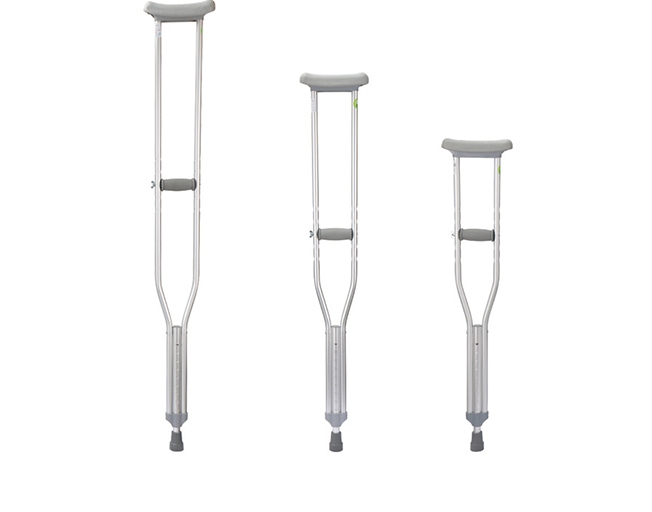
Proper height adjustment remains essential to reduce armpit pressure and support better gait efficiency. The XY-925 Aluminum Underarm Medical Crutch supports flexible height matching through a 9-level foot tube adjustment and a 5-level grip adjustment system. Users can adjust the lower tube to match their overall height range, then set the handgrip position for better arm support and walking posture. This dual adjustment design helps reduce the risk of an unsuitable fit, which is especially important for hospitals, rehabilitation centers, and distributors handling users of different heights.
The Influence of Biomechanics on Crutch Design Choices
Understanding biomechanics helps designers build crutches that follow natural body movement instead of working against it.
Alignment with Human Motion Dynamics
Crutches designed around natural arm-swing patterns help create a smoother walking rhythm and greater stability on uneven ground. Shock absorption systems built into the crutches can greatly reduce repeated joint impact. This matters a lot for long-term rehabilitation cases. Without such features, sustained use could lead to upper-body fatigue.
Pressure Distribution Across Contact Points
Even load distribution across hands or underarms prevents localized pain that often stops users from continued use. Anatomically contoured supports match body structure. At the same time, adjustable padding thickness meets personal preferences for comfort or responsiveness.
User-Centered Considerations When Selecting Crutches in 2026
Procurement teams must check how product design factors turn into real-world usability for different user groups.
Evaluating Daily Usability Factors for Different Lifestyles
Urban users often choose compact, foldable models that fit easily into vehicles or public transport. Active people like injured athletes require frames that can move dynamically while resisting flexing. Long-term users gain from enhanced cushioning systems that prevent repetitive strain injuries common among heavy users of crutches.
Balancing Aesthetics, Functionality, and Comfort in Purchase Decisions
Modern consumers value functional aesthetics. They look for sleek designs that appear professional and stay practical in public spaces like offices or hospitals. Customizable color options allow users to express personal identity. These options keep medical-grade functionality at the same time. This trend grows among premium lifestyle mobility device suppliers who target younger rehabilitation markets.
Procurement Advice for Buyers: Reduce Complaints Before Bulk Orders
Before placing large-volume orders, buyers should make sure products meet both technical standards and end-user expectations. They can do this through careful verification steps.
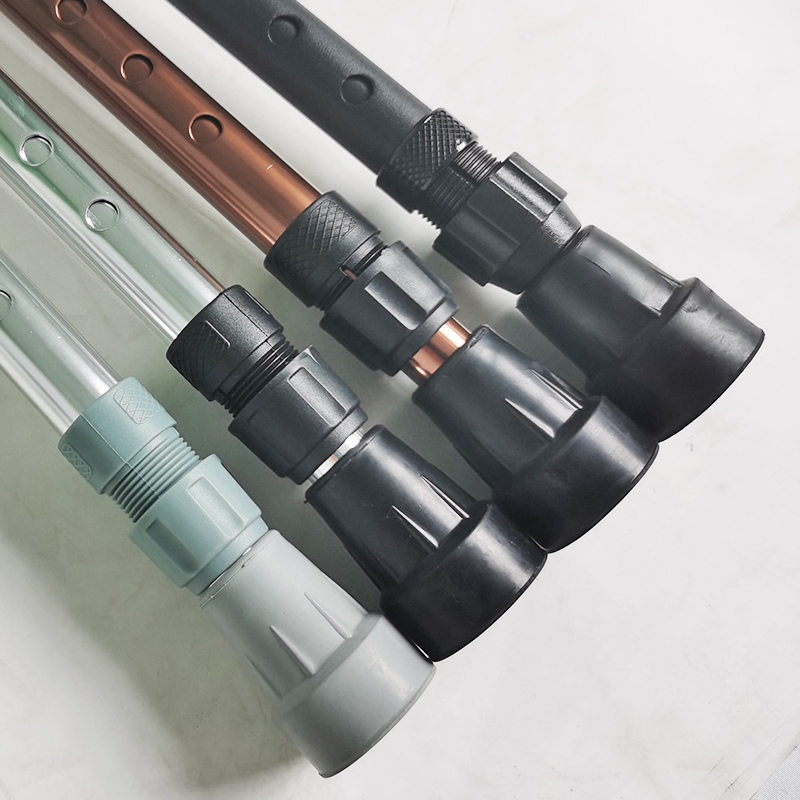
Buyers should verify fit by checking height adjustment range against expected user demographics. This ensures coverage across age groups or patient profiles. They also need to check pads, handgrips, and rubber tips together. Mismatched components often cause early wear complaints from distributors or hospitals. In addition, teams should review tube strength, locking buttons, and frame stability under repeated load tests before final approval.
Buyers must confirm replacement parts availability along with after-sales support terms. This step reduces downtime during maintenance at care institutions. Clear installation instructions should be required because improper setup continues to be one of the top causes of misuse complaints worldwide. This issue appears especially with imported goods that local technicians must assemble.
Finally, teams should compare batch consistency before increasing orders beyond pilot quantities. Uniform quality control across production runs is very important when sourcing from OEMs like Foshan Xunyu Medical Technology Co., Ltd. This company has always followed technological innovation as its core approach. It continues to improve product design and functions so the items better match the actual needs of the elderly.
FAQ
Q1: How can procurement teams evaluate whether a supplier’s crutches are suitable for diverse end-users?
A1: Assess adjustability features like spring-button systems that allow height customization for various body types. Review ergonomic handle designs as well. Request test samples before bulk purchase to confirm comfort levels during extended trials.
Q2: What maintenance practices extend product lifespan?
A2: The routine checking of the rubber tip, regular screw tightening, cleaning using mild detergents instead of harsh chemicals, and proper storage in dry places will contribute towards extending its lifetime.
Q3: Are lightweight carbon fiber models worth higher upfront costs?
A3: Yes. Lightweight frames reduce user fatigue over time while keeping strong structural integrity under heavy loads. They also make logistics easier because of lower shipping weights.
Q4: Where can I find reliable suppliers offering customizable crutches?
A4: Buyers can look for medical mobility aid manufacturers with stable production capacity, OEM/ODM support, and experience in rehabilitation product supply. Xunyu Medical is a practical option for buyers who need customizable crutches, walking aids, wheelchairs, bath chairs, and other home care products from one supplier.


