

O guia completo para cadeiras de rodas elétricas de bateria de lítio: Capacidades e carga explicadas
Hora : de abril de 2026 Ver: 1.295
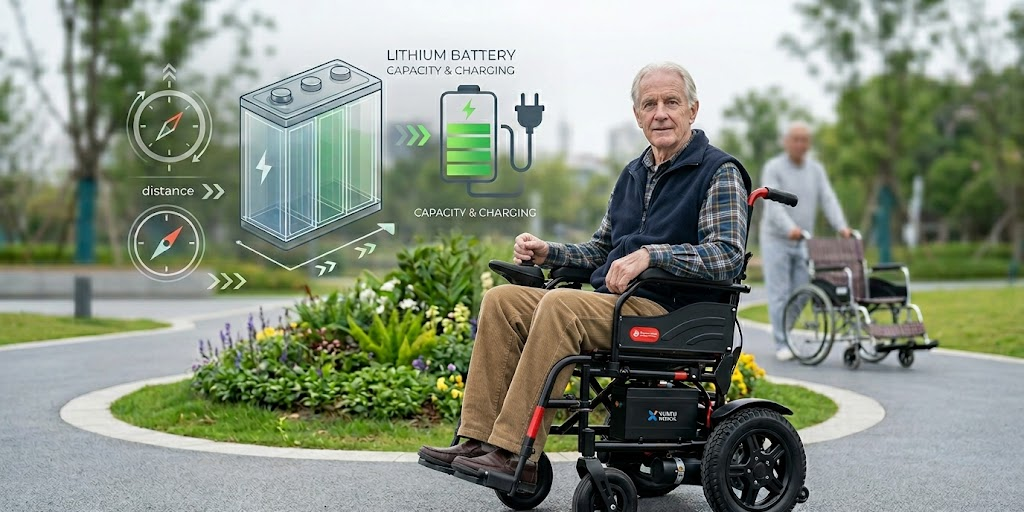
O design de equipamentos de mobilidade sofreu uma mudança estrutural durante a última década. Anteriormente, os compradores enfrentaram uma escolha rígida. Eles poderiam selecionar cadeiras pesadas e difíceis capazes de funcionar todo o dia, ou eles se instalaram para quadros manuais fornecendo assistência mecânica mínima. A paisagem atual se concentra fortemente em configurações ligeiras de energia. Planificar uma viagem de rotina muitas vezes introduz um estresse operacional específico para indivíduos que gerem mobilidade limitada: esgotamento de bateria. O equipamento estrangulado apresenta um grave fracasso logístico. A cadeira de rodas de bateria de lítio diretamente aborda essa vulnerabilidade, estabelecendo uma nova base para independência pessoal. Essas configurações específicas eliminam peso excessivo de quadro. Concurrentemente, eles fornecem a produção mecânica necessária para operação diária contínua. A análise seguinte examina como capacidades variadas ditam capacidades de viagem, o valor operacional da infraestrutura moderna de carga e as métricas específicas necessárias para avaliar sistemas de cadeira de rodas.
A mecânica de uma bateria de cadeira de rodas
As métricas de distância dependem inteiramente da arquitetura de armazenamento de energia subjacente. O setor de fabricação médica abandonou configurações pesadas de ácido de chumbo em favor de estruturas químicas avançadas. Essa transição produz uma produção mecânica superior sem introduzir um fardo estrutural desnecessário.
Por que as células terrestres dominam o mercado
Estruturas internas revelam a diferença primária entre auxílios legais de mobilidade e uma cadeira de rodas elétrica moderna de bateria de lítio. Fabricantes especificaram historicamente unidades padrões de ácido de chumbo para produção. Enquanto custo-eficaz para fabricar, esses componentes acrescentaram peso enorme e sofreram degradação rápida da capacidade após ciclo diário mínimo. O padrão da indústria mudou para a bateria ternária de lítio. Essa composição química oferece fundamentalmente uma proporção superior de densidade energética. A unidade de energia física requer menos volume e mass a, mas facilmente armazena energia suficiente para conduzir um motor com pincel de alta potência de 250W*2. A massa global reduzida significa que o sistema de propulsão gasta menos energia movendo o próprio chassis. Essa eficiência física prolonga a duração operacional de um único ciclo de carga. Além disso, o peso reduzido do componente remove a tensão física previamente imposta aos cuidadores que manipulam equipamento pesado.
Descodificação das especificações Amp-Hour
Manuais técnicos denotam consistentemente o volume de energia usando o “ AH” ou especificação Amp-Hour. Essa métrica serve como indicador primário da capacidade de bateria de cadeira de rodas. Uma especificação maior de AH traduz diretamente para maior energia armazenada e duração operacional prolongada. Modelos médicos de base geralmente implementam uma bateria de cadeira de rodas elétrica 6AH. No entanto, os fabricantes configuram capacidades diversas para acomodar padrões de uso altamente variados. Certos perfis operacionais envolvem uma navegação estritamente interna – movendo-se entre áreas de morada e espaços externos adjacentes. Por outro lado, perfis estendidos requerem trânsito contínuo através da cidade. A avaliação dos padrões de movimento de rotina permanece o único método para determinar os requisitos adequados de capacidade. - Especificações insuficientes introduzem ansiedade de alcance. O excesso de especificação simplesmente infla os custos de aquisição sem benefício operacional.
Mapping Out Your Wheelchair Travel Range
Identificar o tamanho correto de armazenamento de energia inicia o processo de avaliação. A tradução dessas figuras técnicas em quilogramas práticos permite aos compradores construir parâmetros operacionais realistas, evitando falhas de energia de trânsito médio durante atividades de rotina.
Capacidades padrão para os Comutados Locales
A distância física que um dispositivo de mobilidade cobre por carga define sua faixa de viagem na cadeira de rodas. Para ambientes operacionais restritos principalmente a interiores residenciais ou perimetros imediatos de bairro, um sistema 6AH padrão estabelece uma distância de viagem confiável de 6 a 10 quilômetros. Essa capacidade apoia adequadamente atividades fundamentais como missões locais ou breve tránsito comunitário. A implantação de células de energia menores mantém um peso bruto mais baixo do veículo, o que melhora drasticamente a resposta diretiva. O Xunyu Medical XY-D02L, por exemplo, registra um peso líquido de apenas 21kg quando equipado com configurações padrão de energia. Minimizar a massa traduz-se em alta maneuverabilidade dentro de espaços arquitetônicos restritos, como corredores estreitos ou banheiros residenciais, prevenindo colisões estruturais frequentes.
Opções actualizadas para usuários ativos
Exigir perfis operacionais ao ar livre necessitam de reservas de energia robustas. Navigar complexos comerciais expansivos, atender às funções comunitárias alargadas, ou utilizar sistemas de trânsito municipais requer uma cadeira de rodas de long a distância. Os fabricantes resolvem esse requisito integrando melhorias de capacidade mais elevadas diretamente durante a fase de montagem. especificando um módulo opcional 10AH amplia o raio operacional para 10-15 quilômetros. Para autonomia absoluta de trânsito, a especificação opcional 20AH fornece 15 a 25 quilômetros por ciclo de carga. Integrar uma fonte 20AH numa cadeira de rodas elétrica de bateria de lítio elimina efetivamente o fardo logístico de coordenar o trânsito em torno da infraestrutura de carga. Os usuários podem iniciar movimento de manhã e concluir operações tarde à tarde, confiando no motor de escova de alta potência 250W*2 para executar desempenho contínuo e estável. Essa expansão da capacidade eleva o hardware de uma ajuda localizada a um veículo de trânsito primário.
Métodos de cobrança e manutenção diaria
A armazenagem de energia de alta capacidade perde valor operacional se o processo de renovação apresentar barreiras físicas ou técnicas. A engenharia contemporânea prioriza mecanismos de carga acessíveis, possibilitando manutenção de hardware simples sem exigir esforço físico forte.
Explorar o modo de duas cargas
A interface específica usada para conectar o hardware à rede elétrica representa uma característica operacional crítica. As configurações de prémio frequentemente incorporam um modo de dupla carga. Essa abordagem de engenharia fornece dois métodos independentes para renovação energética. Os usuários podem dirigir o cabo de energia diretamente através da interface de joystick enquanto ocupam o assento ou enquanto o chassis permanece estável. Este método suporta a carga localizada dentro dos espaços primários de vida. Alternativamente, a caixa de bateria se desconecta inteiramente do quadro principal. Os usuários podem extrair o módulo e conectá-lo a uma saída de parede independentemente. Essa capacidade isolada de carga é inestimável quando o chassis primário deve permanecer em garagens não aquecidos ou compartimentos de armazenamento de veículos. Ela concede flexibilidade logística crítica, eliminando o requisito físico de dobrar ou manipular equipamentos pesados perto de saídas de nível de chão.
As melhores práticas para a Longevidade
Maximizar o rendimento do investimento requer aderência rigorosa aos protocolos de manutenção da bateria. A arquitetura superior de energia ainda experimentará degradação acelerada em condições de ciclo inadequadas. O equipamento padrão funciona através de corrente constante, exigindo várias horas para alcançar a capacidade máxima. Estabelecer um calendário de renovação durante a noite constitui um excelente protocolo de manutenção. Os usuários devem evitar o depósito total de energia antes de iniciar um ciclo de carga. Frequentes replenimentos parciais preservam ativamente a estrutura química interna das células. Ao preparar o hardware para armazenamento extenso, o protocolo exige cargar a unidade para cerca de 50% de capacidade. Abandonar um módulo completamente esgotado no armazenamento causará degradação química irreversível. Executar procedimentos básicos de manutenção reduz diretamente os gastos de substituição de componentes a longo prazo.
Combinando a Portabilidade com a Potência Fiável
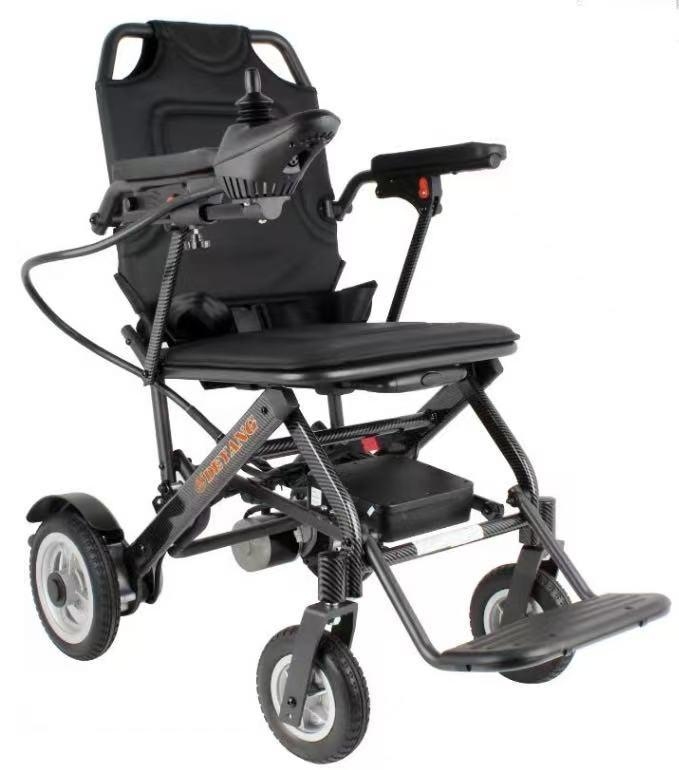
As especificações energéticas operam em conjunto com o design do chassis. A arquitetura física que carrega o sistema de propulsão dita a funcionalidade do mundo real. Isso se torna altamente evidente quando avalia a logística do equipamento de carga em veículos de trânsito ou gerencia dos requisitos de armazenamento.
O papel dos materiais de quadro
Massa excessiva do chassis acelera o consumo de energia. O design industrial aborda essa realidade física especificando materiais demonstrando alta força de tensão e baixa densidade. - A liga de alumínio atualmente domina os padrões de produção. Modelos específicos, incluindo XY-D02L, avançar esse paradigma aplicando um processo de transfer ência de carbono de material de liga de alumínio. Esse tratamento de superfície fornece um perfil visual sofisticado de fibra de carbono pura ao mesmo tempo que mantém economia de produção viável. Crucialmente, essa abordagem arquitetônica suporta uma carga máxima de 100 kg. A plataforma estrutural resultante resiste à deformação e evita desperdiçar energia de propulsão no peso do chassis. A inclusão de um cuscino de assento espesso impede a fadiga física durante períodos operacionais prolongados, priorizando a resistência do usuário ao lado da capacidade mecânica.
A Mecânica de uma cadeira de rodas elétricas pliável
As especificações de contratos exigem frequentemente cadeira de rodas elétrica dobrável que mantém a produção mecânica primária e estruturas de suporte de usuários. O pessoal que gerencia a logística do equipamento evita ativamente projetos rígidos exigindo operações de levantamento multipessoais. Modelos avançados implementam um mecanismo de dobramento de uma chave. Essa solução de engenharia evita processos complexos de desmontagem. A configuração XY-D02L mediu 98cm de comprimento total e 95cm de altura total durante a operação padrão. Para trânsito e armazenamento, a estrutura se condensa a um perfil medindo 56cm de comprimento dobrado, 29cm de largura dobrada e 95cm de altura dobrada. Essa geometria compacta se integra sem problemas com dimensões padrões de carga de veículos. Fusionando este mecanismo de colapso com ferros que levantam para facilitar a embarcação esquerda e direita sem se dobrar gera hardware projetado para implantação dinâmica. Procurar uma cadeira de rodas elétrica dobrável equivale autonomia contínua com restrições logísticas rigorosas.
Conclusão
Finalizar o contrato de hardware de mobilidade necessita de uma avaliação precisa dos requisitos de trânsito de rotina. A integração dos sistemas modernos de energia estabelece um forte contraste de desempenho com modelos legais. Analisar especificações de AH permite aos compradores alinhar capacidades de hardware com perfis operacionais precisos, variando da navegação localizada até um trânsito municipal extenso. Implementações de engenharia, incluindo módulos de energia removíveis e arquiteturas de chassis colapsíveis, transformam hardware clínico em soluções de trânsito altamente funcionais. As especificações técnicas demonstradas por modelos como o XY-D02L validam o impacto de ligas ligeiras e saída avançada do motor. A avaliação rigorosa desses parâmetros garante a seleção de um sistema de bateria de cadeira de rodas de energia capaz de proporcionar independência operacional sustentada e confiável.
Contacte o médico Xunyu para suas soluções de mobilidade
Selecionar o hardware de mobilidade precisa envolve revisão de inúmeros detalhes técnicos. A equipe da Xunyu Medical fornece apoio direto para ajudar os compradores a combinar capacidades específicas de cadeira de rodas com seus ambientes de trânsito. Se você quiser discutir as dimensões estruturais do XY-D02L, revisar nossas estruturas de preços, ou fazer perguntas específicas sobre nossas configurações de bateria de lítio, por favor contactar nosso departamento de vendasEstamos prontos para fornecer os dados exatos que você precisa para finalizar seus planos de aquisição.


