

Концентрированные и отдаленные районы: как спланировать линейку мобильных продуктов.
Время: 3 августа 2026 г. Просмотр : 516
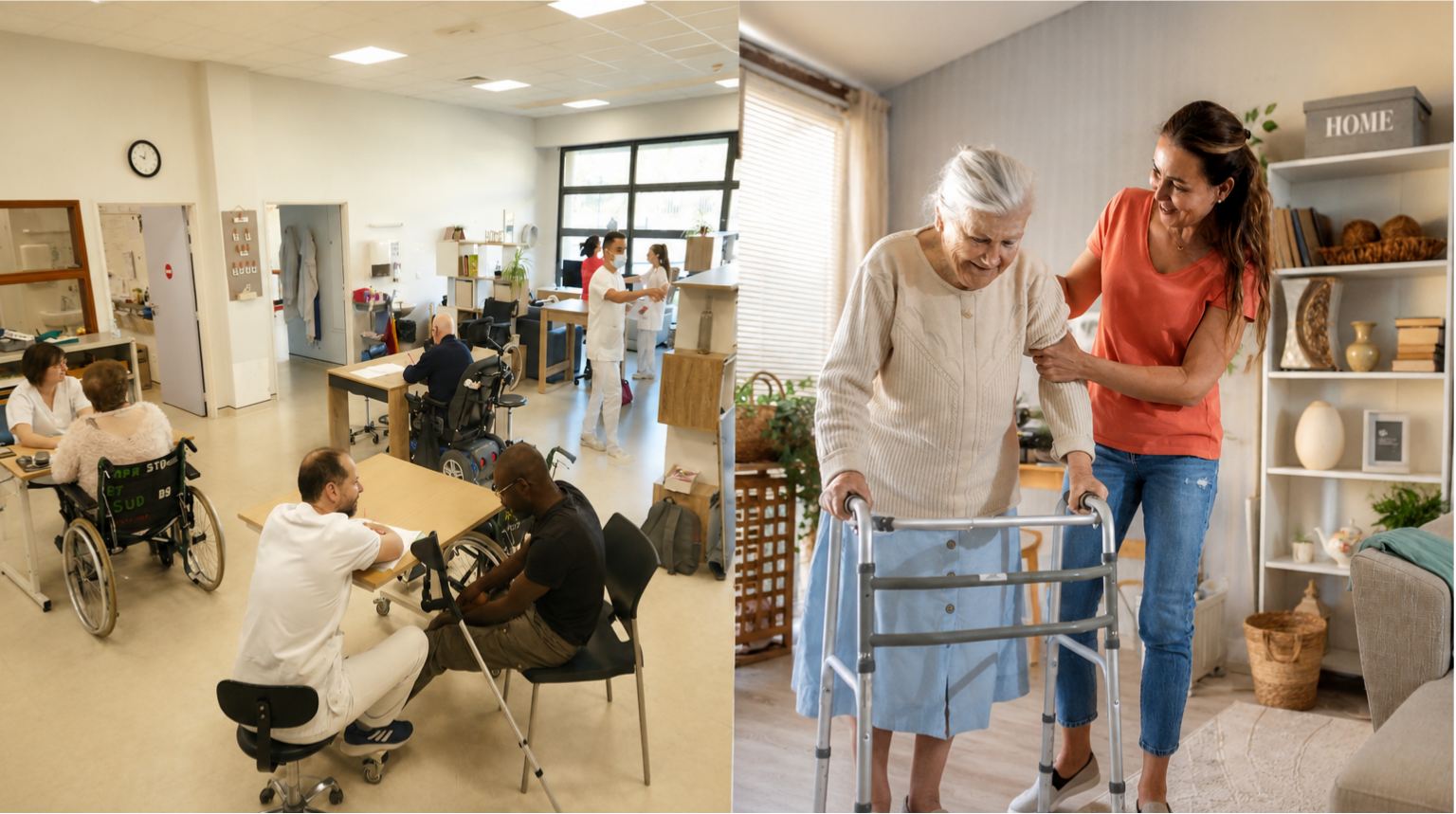
Больничная сеть в густонаселенном столичном городе функционирует в совершенно иных условиях, чем сельская семья, ухаживающая за пожилым родственником в нескольких часах езды от сервисного центра. В густонаселенных районах продукция должна подходить для узких помещений, оживленных транспортных магистралей и многократного использования в учреждениях. В отдаленных районах приоритет часто смещается в сторону доступной цены, простой установки, долговечных деталей и обслуживания, которое можно проводить на месте. линейка продукции Начинается все с этого различия, а не рассматривается как незначительное изменение в продажах.
Почему для густонаселенных и отдаленных районов необходимы разные средства передвижения?
Городские покупатели обычно имеют доступ к больницам, реабилитационному персоналу и специализированным дистрибьюторам. В их тендерах может потребоваться несколько товаров, которые используются совместно в палатах, процедурных кабинетах, сестринских постах и транспортных средствах для пациентов. Площадь, время уборки, организация рабочего процесса персонала и безопасность транспортировки могут иметь такое же значение, как и первоначальная цена за единицу товара.
Проекты, реализуемые в удаленных районах, сталкиваются с еще одним набором проблем. Продукт может преодолевать неровные дороги, прежде чем достигнет дома или небольшой клиники. У местного оператора может не быть специализированных инструментов, а отсутствие винта, резинового наконечника или регулировочной детали может вывести из строя устройство, которое в противном случае было бы пригодным к использованию. Эти последствия должны определять техническое задание и план по запасным частям с самого начала.
Потребности в мобильности в густонаселенных городских районах
Больницам необходимы эффективные системы транспортировки и перемещения пациентов.
Инвалидные коляски, используемые в больницах, должны быть такими, чтобы проходить через двери, лифты, коридоры и зоны посадки, не препятствуя передвижению медицинского персонала. Складная спинка, откидные подлокотники, съемная подставка для ног и самоблокирующиеся или двойные тормоза — вот некоторые из опций, полезных для пересаживания из кровати в кресло, при условии, что они возвращаются в исходное положение после того, как пользователь сядет.
Высокопрочная сварная рама из алюминиевого сплава позволяет снизить вес, который приходится поднимать сопровождающим, а заданная грузоподъемность гарантирует, что изделие будет предназначено для нужной группы пациентов. Ассортимент ручных инвалидных колясок Продукция компании Xunyu Medical предоставляет полезную точку сравнения по ширине сиденья, расположению колес, типу тормозов, складным элементам и компонентам обслуживания.
Проверки следует проводить непосредственно на маршруте. Убедитесь, что кресло не качается после раскладывания, тормоза надежно держатся на неподвижной поверхности, а подножки не препятствуют пересадке. Инструкции к инвалидным креслам также предусматривают проверку устойчивости, аккуратное складывание, регулярную чистку и осмотр соединений. Эти детали должны быть включены в контрольный список приемки в больнице, поскольку небольшая проблема в эксплуатации может привести к жалобам персонала или провалу приемочных испытаний.
Реабилитационным центрам необходима регулируемая поддержка.
В реабилитационных центрах наблюдается изменение силы и равновесия у пациентов. В таких случаях регулировка высоты, удобство захвата, резиновые наконечники для лучшего сцепления и повторяемая фиксация оказываются более полезными, чем декоративные элементы. Ходунки должны раскрываться равномерно и сохранять заданную высоту после многократного складывания; костыли должны легко поддаваться настройке без необходимости постоянной регулировки специалистом.
Профессиональным учреждениям сестринского ухода необходим доступ для уборки.
В домах престарелых часто используют одни и те же вспомогательные средства для разных пациентов. Санитарные стулья должны иметь устойчивые ножки, противоскользящие опоры, надежные винты, видимую регулировку высоты и поверхности, которые можно протирать, не оставляя следов. Прикроватные поручни должны быть прочными, легко переставляться и совместимы с кроватями, используемыми в учреждении.
Для регулируемого стула для ванной все ножки должны находиться на одинаковой высоте, а каждая кнопка должна быть полностью нажата. Ассортимент стульев для ванной может размещаться рядом с инвалидными креслами и прикроватными вспомогательными средствами, если тендер включает в себя купание, перемещение и безопасность в спальне в одном пакете.
Складные ходунки также актуальны в учреждениях с высокой плотностью пациентов, поскольку их можно хранить рядом с кроватью и доставать для проведения терапии или коротких перемещений внутри помещений. Рама должна открываться без усилий, оставаться ровной на полу, а винты и задние колеса должны быть легко проверяемыми для персонала. Фотографии изделия недостаточно; процесс складывания следует повторить при утверждении образца.
Потребности в мобильности в отдаленных и сельских районах
Для ухода за семьей необходимы простые и доступные товары.
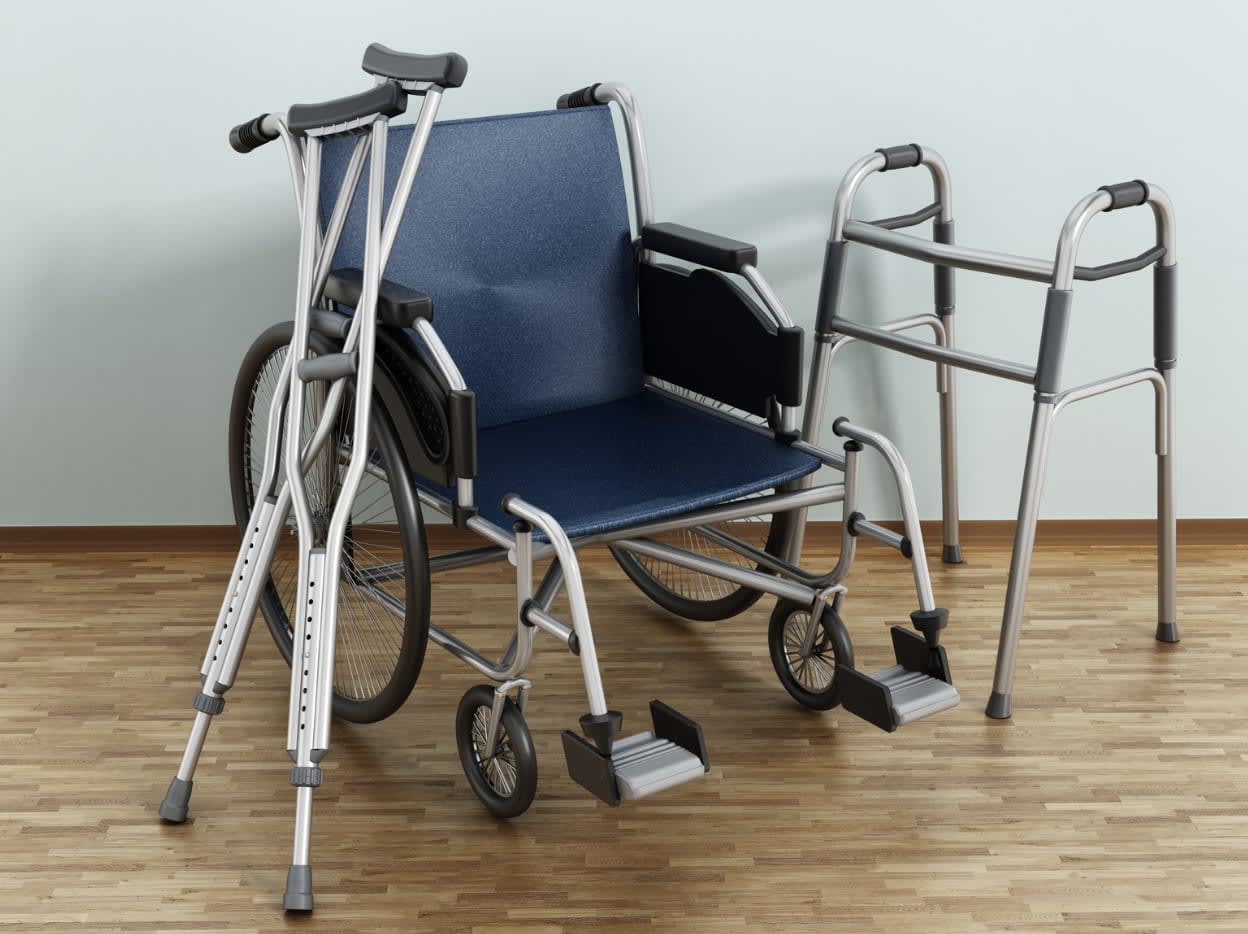
В отдаленных населенных пунктах один из членов семьи может быть основным опекуном и оператором устройства. Регулируемые костыли, простые ходунки, инвалидные коляски с ручным управлением и поручни у кровати должны быть понятны без длительного обучения. Размер в сложенном виде имеет значение, когда устройство перевозится в небольшом транспортном средстве, но механизм складывания не должен зависеть от хрупких деталей, которые трудно заменить.
Цена по-прежнему имеет значение, но самые дешевые характеристики не всегда являются самым дешевым вариантом. Слабый резиновый наконечник, неустойчивая кнопка регулировки высоты или трудноочищаемая подушка могут привести к повторной покупке и вызову сервисного центра. Покупателям следует сравнивать весь цикл использования, включая упаковку, время сборки, запасные части и стоимость возврата поврежденного устройства.
Основное медицинское оборудование должно быть долговечным и пригодным для обслуживания.
Для сельских клиник и общественных программ необходимы изделия, которые выдерживают транспортировку, влажность, неровности пола и нечастую техническую поддержку. Алюминиевая рама с покрытием может обеспечить малый вес и устойчивость к коррозии, но соединения, тормоза, опорные площадки, винты и оси колес все равно нуждаются в проверке. Конструкция должна позволять проводить плановые проверки визуально, а не прятать их за сложными кожухами.
Для использования в ванной комнате в доме необходимы ровные ножки, надежные винты и сменные накладки на ножки. Для ходунков нужны надежные регуляторы высоты и устойчивые резиновые ножки. Для инвалидной коляски необходимы тормоза, которые удерживают коляску во время пересадки пользователя, а также удобный способ приобретения колес, подушек или подножек по мере их износа.
Инструкции по чистке должны соответствовать местной практике. Инвалидные коляски следует протирать разбавленным нейтральным моющим средством, сушить после контакта с влагой и избегать очистки под высоким давлением или паром, которые могут повредить компоненты. Такие рекомендации — это не просто бумажные документы; они уменьшают количество жалоб на ржавчину, посторонний шум и бактерии во влажных районах.
Как покупатели могут создать две взаимосвязанные линейки мобильных продуктов
Раздельные производственные линии не требуют создания двух совершенно отдельных цепочек поставок. Покупатель может сотрудничать с поставщиком, который предлагает инвалидные коляски, ходунки, костыли, стулья для ванной и прикроватные поручни, а затем определить различные конфигурации для городских учреждений и удаленной дистрибуции. Xunyu Медицинская является одним из примеров поставщика, чей более широкий ассортимент продукции может поддержать такое планирование, не превращая товар в каталог.
В городской линейке можно использовать инвалидные коляски для интенсивного использования, регулируемые ходунки, стулья для ванных комнат и прикроватные поручни, предназначенные для компактных помещений, профессиональной транспортировки, уборки и регулярного осмотра. В удаленной линейке можно использовать меньшее количество моделей с более простой фурнитурой, прочными рамами, меньшими комплектами аксессуаров и распространенными запасными частями. Разница должна быть четко указана в техническом описании и на этикетке коробки.
Перед началом серийного производства протестируйте обе линии в реалистичных условиях. Для городских условий измерьте ширину дверного проема, доступ для лифта, пространство для поворота, зазор для перегрузки и время очистки. Для удаленных мест проверьте погрузку в транспортное средство, распаковку без специальных инструментов, неровные поверхности внутри помещений, воздействие влаги, а также способность местного оператора заменить резиновый наконечник или правильно затянуть винт.
В документации по закупкам должны быть указаны утвержденный образец, допустимая нагрузка, материал рамы, диапазон регулировки, тип тормоза, габариты в сложенном виде, размер коробки, количество принадлежностей, язык руководства, перечень запасных частей, минимальный объем заказа, сроки поставки и информация о гарантийном обслуживании. Если поставщик меняет фитинг или принадлежность между образцом и серийным производством, это может привести к смешанной партии, отказу в принятии тендера или дорогостоящему послепродажному обслуживанию.
OEM/ODM может помочь, когда дистрибьютору требуются другие этикетки, размеры коробок, комплекты аксессуаров или небольшие изменения для местного канала сбыта. Компания Xunyu Medical OEM/ODM услуги Этот вопрос следует обсуждать совместно с утверждением образцов, файлами упаковки, запасными частями и протоколами контроля качества партии, а не только как запрос на логотип.
Часто задаваемые вопросы
В1: Какие средства передвижения лучше всего подходят для проектов с высокой плотностью населения в городских районах?
A1: Складные инвалидные коляски с ручным управлением, регулируемые ходунки, стулья для ванной и прикроватные поручни — это хорошие отправные точки. Окончательный набор должен соответствовать дверным проемам, лифтам, процедурам перемещения, частоте уборки и персоналу, который будет работать с этими изделиями.
В2: Что наиболее важно при снабжении отдаленных районов?
A2: Приоритетными параметрами являются разумная цена, простая сборка, прочные рамы, понятные инструкции, распространенные запасные части и техническое обслуживание, не требующее специальных инструментов. Игнорирование этих моментов может превратить небольшой дефект в длительную задержку в обслуживании.
Вопрос 3: Может ли один поставщик поддерживать отдельные производственные линии для городских и удаленных районов?
A3: Да, если поставщик может обеспечить единообразие образцов, спецификаций, упаковки, комплектующих и запасных частей для каждой конфигурации. Покупателям следует подтвердить эти данные до начала серийного производства, чтобы избежать ситуации, когда две линии поставляются с комплектующими разного типа или с неясными условиями технической поддержки.


