

Как складные средства передвижения помогают снизить затраты при оптовых перевозках
Время: 3 августа 2026 г. Просмотр : 597
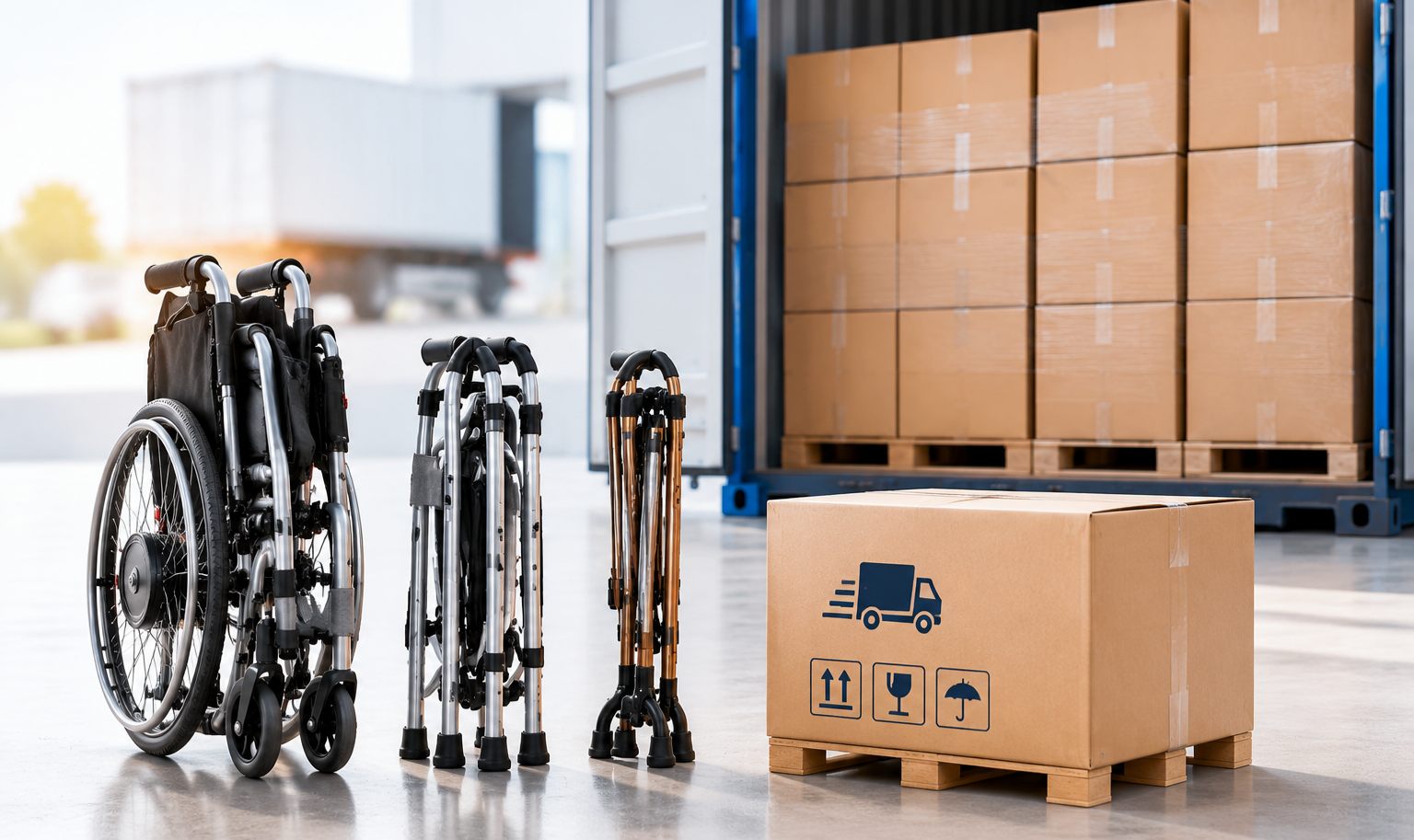
Для зарубежных дистрибьюторов медицинских изделий проблема стоимости оптовых поставок стала особенно актуальной. Тарифы на перевозку грузов меняются, но реальное давление часто начинается раньше: объём коробок, погрузка товаров разных марок, складские площади, обработка грузов дилерами и проблемы с упаковкой после прибытия.
Почему складная конструкция важна для зарубежных дистрибьюторов медицинских изделий
Стоимость доставки — это уже не просто вопрос расчета стоимости грузоперевозки.
Низкая заводская цена за единицу товара может показаться привлекательной, пока не будут измерены размеры коробки. Товары для людей с ограниченными возможностями передвижения часто имеют неудобные размеры: широкие рамы, ручки, колеса, зарядные устройства, винты и отдельные аксессуары. При оптовой закупке эти детали влияют на погрузку, прочность поддонов, стоимость курьерской доставки и претензии по поврежденным коробкам.
Для дистрибьюторов, обслуживающих аптеки, магазины товаров для реабилитации, дома престарелых, больницы и каналы электронной коммерции, стоимость за объем отображается дважды.
Складные изделия снижают давление еще до того, как товары попадут на склад.
Хорошая складная конструкция должна складываться повторяющимся образом, защищать ключевые детали и оставлять фиксированное пространство для инструкций, батарей, колес и мелких аксессуаров. Если компактная рама давит на тормозной трос, ручку или батарейный отсек, картонная упаковка все равно может создать проблемы после продажи.
Опыт работы в определенной категории поставщиков является преимуществом. Медицинские технологии Фошань Сюнью Компания базируется в городе Фошань, провинция Гуандун, и имеет завод площадью 4000 квадратных метров, специализирующийся на вспомогательных устройствах для пожилых людей, включая ходунки, костыли, стулья для душа, туалетные кресла, поручни и инвалидные коляски. Такой ассортимент помогает покупателям сравнивать складные конструкции различных средств ухода.
Где складные средства передвижения снижают затраты в цепочке поставок
Загрузка контейнеров, объем коробок и планирование ассортимента товаров.
Первая экономия достигается за счет эффективности использования картонных коробок. Сложенная продукция дает покупателям больший контроль над объемом, особенно когда одна партия включает инвалидные коляски, ходунки, поручни для кроватей и средства безопасности для ванных комнат. Одинаковая высота коробок также упрощает укладку на поддоны.
Размеры в развернутом виде, в сложенном виде, общий вес и размеры упаковки следует рассматривать в совокупности.
Складское хранение, комплектация заказов и давление на запасы со стороны дилеров.
После прибытия сложенные товары продолжают работать на покупателя. Дилерам нужен товар на складе, не занимая при этом слишком много места. Операторы электронной коммерции также обращают внимание на размеры коробок, поскольку плата за хранение и тарифы курьерских служб могут быстро снизить прибыль.
Это важно для товаров смешанных категорий. Продажи инвалидных колясок могут оставаться стабильными, в то время как продажи ходунков и поручней для кроватей могут расти в связи с проектами по уходу или тендерами. Складные коробки позволяют дистрибьюторам хранить более широкий ассортимент товаров, не замораживая склад для одной крупногабаритной позиции.
Доставка «последней мили», возврат товаров из розничной сети и обработка замен.
Последний этап часто игнорируется при закупке. Если товар сложно переупаковать после возврата, дилеры тратят дополнительное время на проверку и переупаковку. Если аксессуары спрятаны, пользователи могут сообщать о недостающих деталях, даже если они находятся внутри коробки.
Маркировка должна соответствовать рынку покупателя. В инструкциях должно быть четко указано положение товара в сложенном и развернутом виде. Эти детали снижают количество жалоб и предотвращают превращение каждой поставки в звонок в службу поддержки со стороны отдела продаж.
Что покупателям следует проверить, прежде чем назвать товар удобным для доставки
Размеры в сложенном виде, общий вес, прочность коробки и размещение аксессуаров.
Для удобной транспортировки продукции недостаточно складного шарнира. Отделы закупок должны запрашивать размеры в сложенном виде, общий вес, размер коробки, количество загружаемого груза и фотографии упаковки, сделанные при фактической отправке. Образец коробки полезен только в том случае, если он соответствует окончательной производственной упаковке. Прочность коробки также имеет значение. Углы, колеса, ручки и регулировочные винты должны быть защищены.
Этапы сборки, маркировка, инструкции и риск отсутствия деталей.
Складная конструкция должна сокращать время сборки, а не создавать путаницу. Если дилеру требуется десять минут, чтобы объяснить, как разложить раму, зафиксировать направляющую, отрегулировать высоту или установить аккумулятор, экономия на трудозатратах уже сводится на нет.
Складные инвалидные коляски для путешествий, перемещения и пополнения запасов в проливе
Компактные инвалидные коляски с ручным управлением для больниц, домов престарелых, путешествий и транспортных проектов.
Складные инвалидные коляски с ручным управлением по-прежнему важны при оптовых закупках, поскольку они используются для повседневной работы по перемещению пациентов. Больницам, школам, домам престарелых и компаниям, предоставляющим транспортные услуги, необходимы коляски, которые можно быстро перемещать между помещениями, транспортными средствами и складскими помещениями.
Медицинский центр Сюнью Складная дорожная инвалидная коляска XY-1001A Предназначен для использования в больницах, домах престарелых, школах, автобусах, скоростных поездах и при транспортировке пассажиров в самолетах. Его легкая конструкция и складной формат идеально подходят для мест, где пространство для персонала и хранения имеет такое же значение, как и само кресло.
Легкие электрические инвалидные коляски важны, когда в сложенном виде имеют значение как размер, так и вместимость аккумулятора.
Электрические модели требуют дополнительной проверки при транспортировке. Покупателям необходимо проверить расположение батареи, упаковку зарядного устройства, общий вес и защиту электрических компонентов. Недостаточный контроль за комплектующими может привести к увеличению объема послепродажного обслуживания по сравнению с более крупной коробкой с лучшей внутренней упаковкой.
В Электрическая инвалидная коляска XY-D02L из углеродного волокна Это полезный пример, поскольку он сочетает в себе быстрое складывание одним нажатием кнопки с весом нетто 15 кг, размерами в сложенном виде 56 x 29 x 78 см и размерами в упаковке 58 x 38 x 83 см. Съемный аккумуляторный отсек также поддерживает режимы зарядки и хранения для домашнего использования, путешествий и демонстрационных образцов у дилеров.
Складные ходунки и костыли для повышения эффективности использования картонной упаковки.
Складные ходунки для домашнего ухода, реабилитации и розничной торговли.
Вспомогательные средства для ходьбы выглядят просто, но они могут занимать лишнее место в коробке, если рама не складывается аккуратно. Зарубежным дистрибьюторам, продающим продукцию в сфере домашнего ухода, реабилитации и розничной торговли, необходимы товары, которые подходят для магазинов, клиник, фургонов и складов дилеров.
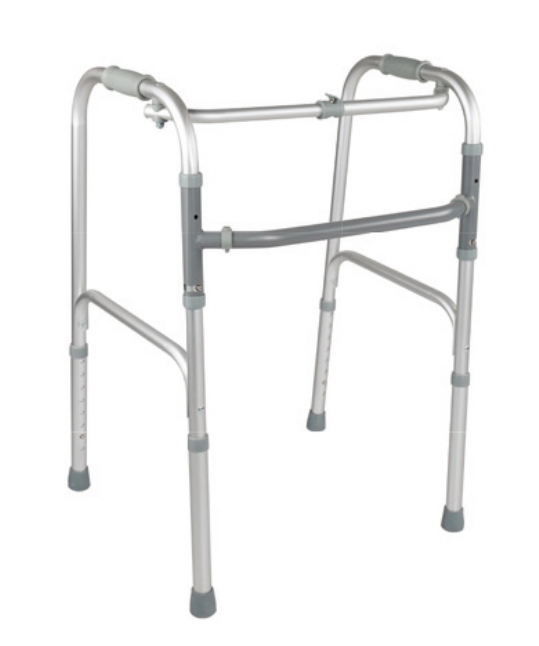
В Складная ходунка XY913L-5 В нем показаны детали, на которые покупателям следует обратить внимание. Его конструкция из алюминиевого сплава, складная рама, восемь уровней регулировки высоты и грузоподъемность 100 кг подходят для реабилитационных центров и учреждений по уходу на дому. Регулировка высоты позволяет подобрать наиболее подходящий вариант для разных пользователей, а складная рама облегчает транспортировку коробок в больших объемах.
Регулировка высоты, колеса и легкие рамы как удобные элементы для транспортировки.
При выборе ходунков и костылей покупателям следует проверить, как защищены регулировочные отверстия, колеса, резиновые наконечники и рукоятки. Рама может быть прочной в использовании, но при этом иметь поцарапанные трубки или погнутые аксессуары, если упаковка ненадёжна.
Также следует предусмотреть запасные части. Резиновые наконечники, рукоятки, винты и мелкие регулировочные детали стоят недорого, но от них зависит, сможет ли дилер быстро устранить неисправность или ему придется заменить весь прибор.
Съемные боковые ограждения для кровати, не требующие сверления, в комплектах для оптовой доставки.
Почему съемные прикроватные ограждения могут снизить нагрузку при установке и хранении
Ограждения для кроватей также относятся к категории затрат. Стационарные ограждения могут хорошо подойти, если требуется постоянная установка, но сверление, изменение рельефа местности и трудозатраты на монтаж могут значительно увеличить стоимость проекта еще до начала использования ограждений.
Съемные или не требующие сверления поручни подходят для ухода на дому, краткосрочной реабилитации и программ проката оборудования. Они сокращают трудозатраты на объекте и могут перемещаться между комнатами или пользователями при изменении потребностей в уходе.
Плоская упаковка, контроль за аксессуарами и риски на уровне картонной коробки при заказе поручней для кроватей.
В Съемный прикроватный поручень XY-429 Это соответствует данной логике. Он изготовлен из углеродистой стали, включает в себя сумку для хранения и ручку из пеноматериала, поддерживает регулировку высоты от 83 до 107 см и имеет грузоподъемность 136 кг. Данные об упаковке также помогают оптовым покупателям сравнить стоимость с учетом доставки: упаковка в коробку размером 32 x 10 x 43 см и упаковка в картонную коробку из пяти предметов размером 54 x 34 x 45 см.
При заказе бортиков для кровати кронштейны, винты, пакеты и инструкции следует четко разделить. Отсутствие какого-либо аксессуара может помешать установке на месте и потребовать дополнительного визита для доставки.
Вывод
Для зарубежных дистрибьюторов складные средства передвижения — это не только облегчение транспортировки для конечных пользователей. Они также влияют на эффективность доставки, управление складом, работу дилеров и долгосрочные затраты на обслуживание. При оценке средств передвижения для оптовых заказов покупателям следует учитывать в совокупности такие факторы, как конструкция в сложенном виде, контроль упаковки, стабильность качества продукции и поддержка поставщиков. Хорошо спланированная линейка продукции может помочь дистрибьюторам снизить логистическую нагрузку, удовлетворяя при этом различные потребности в уходе и средствах передвижения на своих рынках.
Часто задаваемые вопросы
В1: Какие складные мобильные устройства обычно стоит протестировать в первую очередь при планировании оптовых поставок?
A1: Начните с самых больших коробок и наиболее быстро продаваемых товаров. Складные инвалидные коляски, ходунки и съемные бортики для кроватей быстро демонстрируют различия в доставке, поскольку в разложенном виде они громоздки, а в сложенном — легко поддаются измерению.
В2: Какие проверки образцов наиболее важны перед подтверждением оптового заказа?
A2: Проверьте размеры в сложенном виде, размеры коробки, общий вес, расположение аксессуаров, ясность инструкции и возможность переупаковки товара после проверки. Если образец коробки отличается от упаковки для оптовой продажи, расчеты загрузки могут быть неверными.
В3: Как дистрибьюторам следует сравнивать заводские цены и стоимость доставки?
A3: Сравните себестоимость одной единицы товара с учетом доставки. Немного более высокая цена за единицу товара может быть оправданной, если продукт упакован более плотно, имеет меньше нареканий по поводу отсутствующих деталей и его проще хранить или возвращать дилерам.
Вопрос 4: Может ли компания Xunyu Medical принимать заказы на складные мобильные устройства, как для зарубежных, так и для комбинированных товаров?
A4: Компания поставляет вспомогательные устройства для пожилых людей, включая инвалидные коляски, ходунки, костыли, прикроватные поручни, средства безопасности для туалета, стулья для душа, туалетные кресла и сопутствующие товары, экспортируя их в Европу, Северную Америку, Ближний Восток и Азиатско-Тихоокеанский регион. Покупатели могут обсудить детали. OEM-упаковкаметоды упаковки в картонные коробки и потребности в запасных частях до начала производства.


