

Что делает душевой стул безопаснее для пожилых людей в ванных комнатах с повышенной влажностью?
Время: 1 июня 2026 г. Просмотр : 1 331
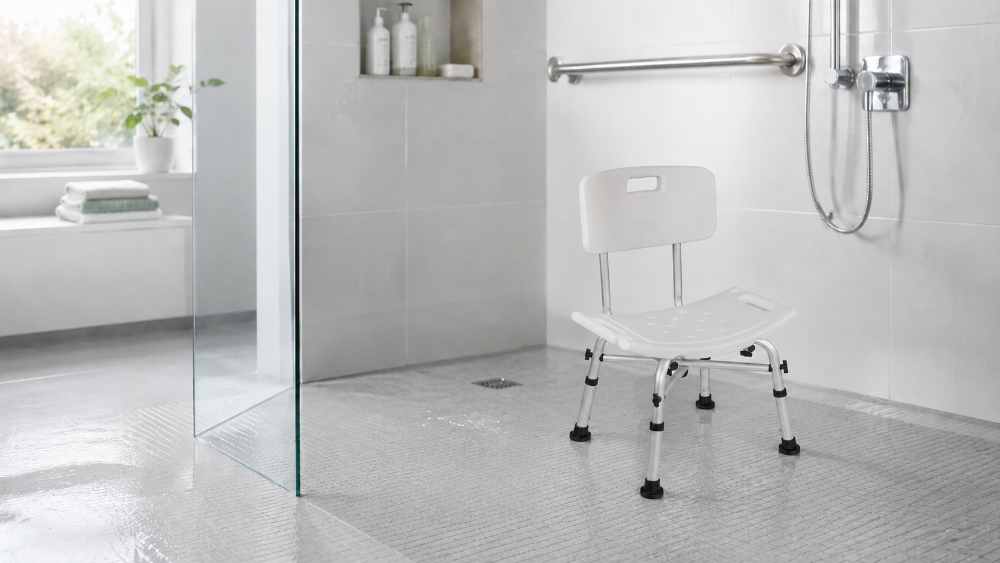
Безопасность в ванной комнате стала более серьезной проблемой, поскольку пожилые люди дольше остаются дома, а семьи ищут практические способы снизить риски, связанные с ежедневным уходом. Влажная ванная комната отличается от большинства других помещений. Вода, остатки мыла, гладкий пол, узкие зоны для передвижения и частое сидение или вставание могут сделать даже короткую процедуру принятия ванны неуверенной для людей с нарушенным равновесием. Для дистрибьюторов товаров для ухода, поставщиков реабилитационных услуг и розничных продавцов товаров для домашнего медицинского обслуживания вопрос больше не в том, полезно ли сиденье для ванны. Настоящий вопрос заключается в том, какое сиденье для душа будет самым безопасным для пожилых людей, когда ванная комната влажная, компактная и используется ежедневно.
Более безопасное кресло для душа должно поддерживать весь процесс купания, а не просто служить местом для сидения. Устойчивость, высота, дренаж, сцепление, поддержка спины и удобство использования — все это влияет на то, насколько хорошо изделие будет работать в реальных домашних условиях и учреждениях по уходу.
Почему наличие мокрых ванных комнат создает повышенные требования к безопасности для пожилых людей
Риски, связанные с ванной комнатой, часто недооцениваются, поскольку принятие ванны — это привычное ежедневное занятие. Однако в мокрой ванной комнате сочетаются несколько опасностей на небольшой площади: твердый пол, вода на поверхности, ограниченная опора для рук и частые движения тела. Для покупателей B2B это означает, что выбор продукта должен начинаться с условий использования, а не с внешнего вида кресла.
Риск поскользнуться возникает еще до того, как пользователь сядет.
Первый фактор риска часто возникает еще до того, как пользователь сядет. Пожилой человек может войти в душевую, держа в руках полотенце, регулируя температуру воды или тянется за мылом. Если стул расположен слишком далеко, имеет неправильную высоту или слегка смещается на полу, пользователь может замешкаться. Эта нерешительность может усилить неустойчивость.
Таким образом, душевой стул должен обеспечивать удобство при приближении, перемещении и принятии душа сидя. Стул должен располагаться в пределах досягаемости, а высота сиденья должна облегчать процесс сидения и вставания. Если пользователю приходится сильно наклоняться или упираться в неустойчивые поверхности, изделие не решает реальную проблему безопасности.
Именно поэтому самое безопасное душевое кресло для пожилых людей следует оценивать не только как сиденье для ванны, но и как средство для облегчения перемещения. Изделие должно иметь устойчивый контакт с полом, подходящую поверхность сиденья и достаточную структурную поддержку, чтобы помочь пользователям легче передвигаться во время купания.
Для влажных поверхностей требуется больше, чем просто базовая грузоподъемность.
Грузоподъемность важна, но ее недостаточно для оценки безопасности в ванной комнате. Стул может выдерживать заявленный вес и при этом казаться небезопасным, если ноги скользят, сиденье наполняется водой или каркас трясется при небольших движениях тела. Во влажных помещениях трение, дренаж и жесткость каркаса становятся практическими факторами безопасности.
Нескользящее кресло для душа для пожилых людей должно снижать риск скольжения в обеих точках контакта: между пользователем и сиденьем, а также между креслом и полом. Текстурированная поверхность сиденья может улучшить контакт с влажной поверхностью, а дренажные отверстия уменьшают скопление воды на сиденье. На уровне пола нескользящие ножки обеспечивают лучшее сцепление кресла с кафельной плиткой в ванной комнате.
Для отделов закупок эти детали полезнее, чем общие утверждения. Покупателям следует поинтересоваться, как ведет себя кресло, когда пользователь наклоняется в сторону, переносит вес или полощет рот, сидя. Именно в такие моменты обычное кресло может выявить свои слабые места.
Какие конструктивные особенности повышают безопасность душевого стула?
Безопасность душевого кресла обеспечивается сочетанием конструкции, материала и удобства для пользователя. Ни одна отдельная характеристика не может сделать продукт подходящим для каждого пользователя. Вместо этого, покупатели в сегменте B2B должны обращать внимание на устойчивость кресла в сидячем положении, поддержку спины, удобство для рук, соответствие высоте и контакт с полом в обычных условиях принятия душа.
Поддержка спины и помощь рукам при перемещении.
Многие пожилые люди чувствуют себя наиболее уязвимыми, когда садятся или встают. Во время этих движений им необходима контролируемая поддержка, а не стул, который служит лишь пассивным сиденьем. Стул для душа со спинкой и подлокотниками может быть более подходящим для пользователей, которые быстро устают, имеют ослабленную силу в нижней части тела или чувствуют себя неуверенно, сидя без боковой поддержки.
Поддержка спины помогает уменьшить неустойчивость в положении сидя и обеспечивает пользователю более устойчивое положение. Поддержка подлокотников может способствовать контролируемым движениям, когда пользователь опускает тело или готовится встать. Преимущество заключается не только в физической поддержке; оно также повышает уверенность пользователя. Когда кресло кажется предсказуемым, пожилые люди с большей вероятностью будут использовать его правильно и последовательно.
Для тех, кто ухаживает за больными, душевое кресло со спинкой и подлокотниками проще объяснить семьям и лицам, осуществляющим уход, поскольку его функциональность и безопасность очевидны. Изделие поддерживает правильную осанку, помогает при перемещении и позволяет мыть голову сидя в одной конструкции. Это делает его более практичным, чем простой табурет, для пользователей, которым требуется больше, чем просто поддержка в сидячем положении.
Регулировка высоты, дренаж и сцепление с полом.
Высота сиденья напрямую влияет на безопасность во время купания. Слишком низкое сиденье может потребовать чрезмерного сгибания коленей и больших усилий при вставании. Слишком высокое сиденье может помешать пользователю удобно расположить ноги на полу. В обоих случаях это может снизить устойчивость.
Регулируемое по высоте кресло для душа предоставляет продавцам и лицам, осуществляющим уход, большую гибкость при подборе товара в соответствии с потребностями разных пользователей и планировкой ванных комнат. Регулировка высоты особенно важна в условиях домашнего ухода, где пользователи могут различаться по росту, силе и способности к перемещению. Однако перед использованием всегда следует проверять регулировку. Ножки должны быть установлены ровно, кнопки должны быть полностью нажаты, а кресло должно устойчиво стоять на ровной поверхности.
Дренаж также имеет значение. Накопление воды может сделать сиденье скользким и неудобным, особенно во время длительного принятия душа. Дренажные отверстия помогают поверхности эффективнее отводить воду, а текстурированная поверхность сиденья улучшает контакт с поверхностью. В сочетании с противоскользящими ножками эти детали делают нескользящее душевое кресло для пожилых людей более подходящим для влажных условий ванной комнаты.
Как покупателям в сегменте B2B следует оценивать душевые кресла для различных сценариев ухода за больными
Разные каналы сбыта могут предъявлять разные требования к приоритетам при выборе товара. Продавец медицинского оборудования для дома может сосредоточиться на простоте использования и возможности установки членами семьи. Поставщик реабилитационного оборудования может больше заботиться об удобстве перемещения и уверенности пользователя. Медицинское учреждение может учитывать такие факторы, как чистка, повторное использование и инструкции для персонала. Выбор наиболее безопасного продукта зависит от того, как будет использоваться кресло.
Ванные комнаты для ухода на дому и обустройства жилья для пожилых людей
В домашних ванных комнатах часто бывает мало места. Семьям может понадобиться стул, который можно быстро собрать, переместить при необходимости и безопасно разместить в душевой зоне или рядом с местом для мытья. В таких условиях практичным может оказаться легкий алюминиевый табурет для душа, поскольку лицам, осуществляющим уход, может потребоваться переставить его, почистить или убрать после использования.
Для пожилых людей, желающих оставаться дома, важна простота в обращении, но кресло не должно казаться хрупким. Легкий каркас должен обеспечивать надежную устойчивость. Этот баланс важен для семей, которые хотят приобрести изделие, не занимающее много места, но при этом удобное для ежедневного принятия ванны.
Регулируемое по высоте душевое кресло также полезно в домашних ванных комнатах, поскольку его можно подобрать под позу пользователя и состояние пола. В сочетании с поддержкой спины, опорой для рук, дренажем и нескользящими ножками, изделие становится более подходящим для пожилых людей, которым необходима ежедневная поддержка при принятии душа, а не просто удобство время от времени.
Реабилитационные центры, магазины розничной торговли и учреждения по уходу за престарелыми.
В учреждениях реабилитации и ухода часто встречаются люди с различными потребностями в плане передвижения. Некоторые могут восстанавливаться после операции, у других может быть нарушена координация движений, а третьим может потребоваться присмотр во время купания. В таких условиях душевое кресло со спинкой и подлокотниками может помочь создать более устойчивое положение для принятия ванны.
Продавцам и дистрибьюторам также следует уделить внимание информированию потребителей о продукте. Четкие инструкции по регулировке высоты, размещению ножек и проверке перед использованием могут снизить вероятность неправильного использования. В описании стула для ванной, приведенном в исходном файле, также указаны основные, но важные проверки, такие как поддержание ножек стула на одной и той же высоте, проверка винтов и устойчивости, а также проверка полного зацепления кнопок регулировки перед использованием.
Подобные рекомендации ценны для покупателей в сегменте B2B, поскольку они способствуют повышению безопасности конечного пользователя и снижают вероятность недоразумений после продажи. Кресло продается не только как товар; оно также рассматривается как часть более безопасной процедуры принятия ванны.
Как Xunyu Medical XY798L-02 способствует более безопасному принятию ванны
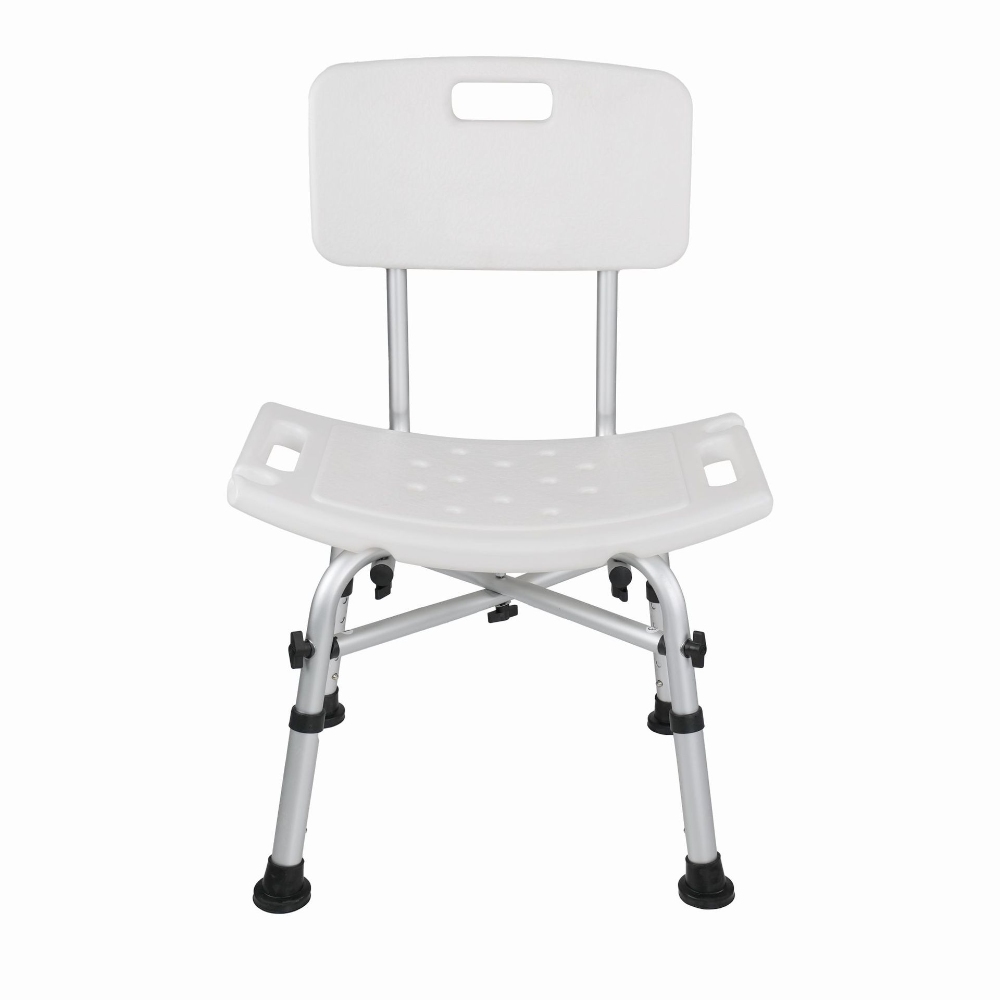
Для покупателей, разрабатывающих линейки товаров для ухода за пожилыми людьми, выбор поставщика часто связан с ассортиментом продукции, соответствием сценариям использования и простотой коммуникации. Xunyu Медицинская Компания поставляет вспомогательные товары, включая стулья для ванны, инвалидные коляски, костыли, ходунки и прикроватные поручни, что делает ее актуальной для покупателей, которым требуется более одной категории товаров для ухода за пожилыми людьми и поддержки передвижения на дому.
Конфигурация изделия, имеющая отношение к безопасности в ванной комнате во влажных условиях.
В Належащий алюминиевый стул для ванны XY798L-02 Предназначен для пожилых людей, беременных женщин, пациентов, детей и людей с ограниченной подвижностью. Он имеет легкий каркас из алюминиевого сплава, сиденье из полиэтилена высокой плотности, спинку для активного отдыха, скрытые встроенные подлокотники, держатели для душа с обеих сторон, текстурированную противоскользящую поверхность сиденья, дренажные отверстия и противоскользящие наклонные подножки.
Размеры изделия: длина 56 × ширина 40 × высота 75 см, общий вес 2,4 кг, максимальная нагрузка до 100 кг. Пятиуровневая регулировка высоты позволяет адаптировать кресло под разных пользователей и планировку ванной комнаты. Усиленная поперечная скоба укрепляет раму, а утолщенные нескользящие износостойкие ножки со встроенными шайбами обеспечивают надежный контакт с полом и долговечность.
Благодаря этим характеристикам модель XY798L-02 подходит покупателям, ищущим легкий алюминиевый табурет для душа, обеспечивающий большую поддержку, чем обычное сиденье для ванны. Он также отвечает потребностям розничных продавцов и дистрибьюторов, стремящихся найти самый безопасный стул для душа для пожилых людей в повседневных домашних условиях.
Выбор продукции должен соответствовать полному плану обеспечения безопасности.
Безопасная обстановка в ванной комнате не должна зависеть только от одного предмета. Рекомендации по предотвращению падений в домашних условиях обычно советуют уменьшить количество опасных элементов в ванной, использовать нескользящие поверхности и добавить опоры, такие как поручни, рядом с ваннами и душевыми кабинами. Стул для ванной наиболее эффективен, когда он является частью этой более широкой обстановки.
Для покупателей B2B практическая ценность модели XY798L-02 заключается в ее многофункциональности: дренаж сиденья, противоскользящая поверхность, поддержка спины, встроенные подлокотники, регулировка высоты и устойчивая алюминиевая конструкция. Эти детали помогают ответить на главный вопрос закупки: может ли продукт обеспечить более безопасное купание для пользователей, которым необходима помощь в поддержании равновесия, коррекции осанки или обеспечении комфорта при сидении.
Покупатели, сравнивающие модели стульев для ванной, ассортимент средств по уходу или варианты доставки, могут Ознакомьтесь с вариантами поддержки и обслуживания продукции Xunyu Medical. перед окончательным утверждением технических характеристик. Это особенно полезно, когда выбор продукции должен одновременно удовлетворять потребности розничной торговли товарами для домашнего ухода, реабилитационной поддержки и ухода за пожилыми людьми.
Вывод
Безопасность душевого кресла определяется не одной видимой деталью. Она зависит от того, как рама, сиденье, ножки, регулировка высоты, спинка, подлокотники, слив и инструкция по использованию взаимодействуют в условиях влажной ванной комнаты. Для пожилых людей безопасность начинается еще до того, как они сядут, и продолжается на протяжении всего процесса принятия ванны. Для покупателей B2B правильный продукт должен быть простым в использовании, практичным в установке, устойчивым в эксплуатации и подходящим для различных сценариев ухода. Модель XY798L-02 является наглядным примером того, как нескользящее душевое кресло для пожилых людей может сочетать в себе поддержку, комфорт и практичность в повседневном использовании, не будучи при этом чрезмерно сложным.


