

ไม้ค้ำยันหรือรถเข็นช่วยเดินสำหรับเข่า: ผู้ซื้อควรเลือกอะไรสำหรับการเดินทางเพื่อฟื้นฟูร่างกายระยะสั้นกลางแจ้ง?
เวลา: 20 กรกฎาคม 2569 ผู้เข้าชม : 727
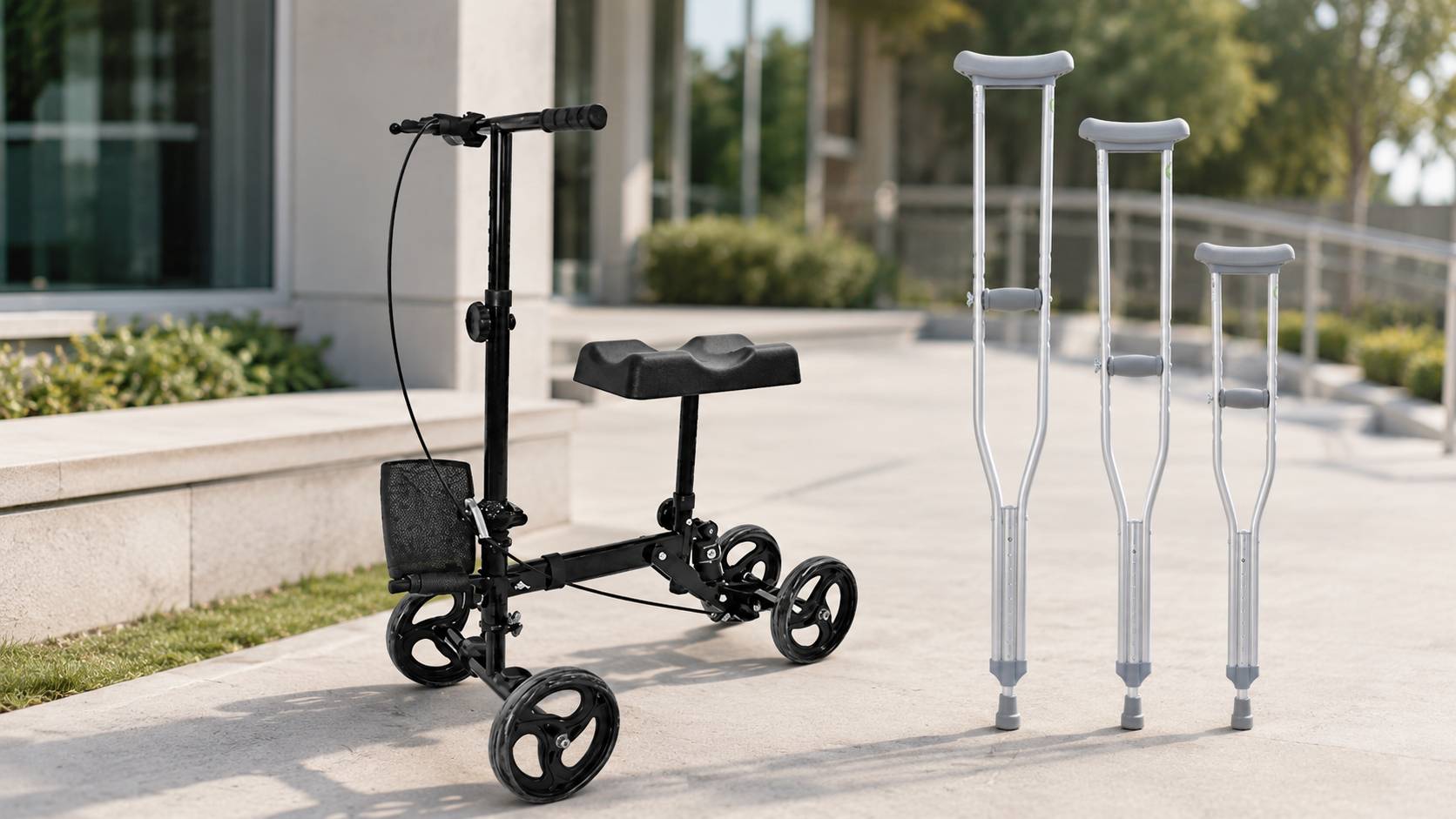
การเดินทางระยะสั้นกลางแจ้งหลังการผ่าตัดขาอาจมีระยะทางเพียงไม่กี่ร้อยเมตร แต่ก็อาจสร้างภาระให้กับอุปกรณ์ช่วยเดินมากกว่าการฝึกซ้อมในร่มหลายครั้ง ผู้ใช้อาจต้องข้ามรอยต่อของทางเท้า ผ่านทางเข้าแคบๆ รออยู่ข้างรถ เลี้ยวเข้าร้านขายยา และกลับมาให้ถึงที่หมายก่อนที่ความเหนื่อยล้าจะส่งผลต่อการควบคุม สำหรับผู้จัดจำหน่ายอุปกรณ์ทางการแพทย์ ร้านค้าปลีกอุปกรณ์ฟื้นฟูสมรรถภาพ คลินิก และโปรแกรมให้เช่า การเลือกใช้ระหว่างไม้ค้ำยันและรถเข็นช่วยเดินสำหรับเข่าควรพิจารณาจากเส้นทางทั้งหมดมากกว่าคุณสมบัติของผลิตภัณฑ์เพียงอย่างเดียว บริเวณที่บาดเจ็บ ระดับการรับน้ำหนักที่กำหนด ความสามารถของร่างกายส่วนบน ความสามารถในการงอเข่า สภาพพื้น และพื้นที่จัดเก็บ ล้วนส่งผลต่อความเหมาะสม ผู้ซื้อที่เปรียบเทียบอุปกรณ์ทางการแพทย์ประเภทไม้ค้ำยันกับอุปกรณ์ช่วยเดินขาแบบมีล้อ จำเป็นต้องมีวิธีการที่ชัดเจนในการแยกแยะอุปกรณ์ทั้งสองประเภทนี้ คู่มือนี้จะตรวจสอบว่าแต่ละตัวเลือกเหมาะสมกับการใช้งานในสถานการณ์ใด และผลิตภัณฑ์อะลูมิเนียมแบบปรับได้สองชนิดนี้สามารถรองรับการฟื้นฟูที่เฉพาะเจาะจงได้อย่างไร
เงื่อนไขการฟื้นตัวใดบ้างที่ควรใช้เป็นแนวทางในการเลือกเบื้องต้น?
การตัดสินใจเบื้องต้นควรพิจารณาจากสภาพการฟื้นตัวมากกว่าความสะดวกสบายที่รับรู้ได้จากอุปกรณ์นั้นๆ ไม้ค้ำยันและรถเข็นช่วยพยุงเข่าช่วยปกป้องอวัยวะส่วนที่ได้รับผลกระทบด้วยรูปแบบการรองรับที่แตกต่างกัน ทีมจัดซื้อควรตรวจสอบว่าผู้ใช้คาดว่าจะรับน้ำหนักอย่างไร ข้อต่อใดที่ต้องได้รับการปกป้อง และผู้ใช้สามารถควบคุมอุปกรณ์ช่วยได้อย่างปลอดภัยตลอดการเดินทางหรือไม่
คำแนะนำเกี่ยวกับการรับน้ำหนักเป็นตัวกำหนดวิธีการรองรับ
ไม้ค้ำยันสามารถรองรับรูปแบบการเดินที่กำหนดไว้หลายแบบ เนื่องจากผู้ใช้สามารถควบคุมปริมาณน้ำหนักที่ลงไปยังขาข้างที่ได้รับบาดเจ็บได้ สามารถใช้ได้ในระหว่างการพักฟื้นโดยไม่ลงน้ำหนัก การลงน้ำหนักบางส่วน หรือในระหว่างการฟื้นตัวทีละน้อย เมื่อแพทย์ได้ให้คำแนะนำที่เหมาะสมแล้ว ไม้ค้ำยันที่ดีที่สุดสำหรับการผ่าตัด ACL ควรมีการปรับแต่งที่เพียงพอสำหรับท่าทางที่ถูกต้อง และควรเลือกใช้หลังจากที่ทราบรูปแบบการเดินและระยะการฟื้นตัวที่ต้องการอย่างชัดเจนแล้วเท่านั้น
อุปกรณ์ช่วยพยุงเข่า (knee rollator) ช่วยพยุงขาข้างที่ได้รับบาดเจ็บด้วยแผ่นรองนุ่ม ผู้ใช้จะงอขาข้างหนึ่ง วางเข่าหรือหน้าแข้งส่วนบนลงบนแผ่นรอง และใช้ขาอีกข้างหนึ่งช่วยพยุงอุปกรณ์ อุปกรณ์นี้อาจเหมาะสำหรับกรณีการฟื้นตัวจากอาการบาดเจ็บที่เท้า ข้อเท้า หรือขาบางกรณี แต่จะไม่เหมาะสมหากเข่าข้างที่ผ่าตัดไม่สามารถทนต่อการงอ แรงกด หรือการสัมผัสเป็นเวลานานได้ ดังนั้น การเลือกใช้ระหว่างอุปกรณ์ช่วยพยุงเข่ากับไม้ค้ำยัน จึงต้องแยกแยะความแตกต่างระหว่างการฟื้นตัวของเข่ากับการบาดเจ็บที่อยู่ต่ำกว่าเข่า
ความสามารถของร่างกายส่วนบนและการควบคุมขาขณะยืนนั้นแตกต่างกัน
ไม้ค้ำยันใต้รักแร้ทำให้มือ ข้อมือ ไหล่ และลำตัวต้องรับภาระซ้ำๆ ผู้ใช้ต้องประสานงานไม้ค้ำยันทั้งสองข้าง เว้นระยะห่างใต้แผ่นรองรักแร้ และวางปลายยางให้มั่นคง หากไม้ค้ำยันไม่พอดี อาจทำให้เกิดการเสียดสี รับน้ำหนักที่ข้อมือมากเกินไป หรือทำให้ผู้ใช้โน้มตัวไปข้างหน้า
อุปกรณ์ช่วยเดินแบบมีล้อที่เข่าช่วยลดการยกของซ้ำๆ บริเวณช่วงบนของร่างกาย แต่ก็ทำให้ภาระการทำงานไปอยู่ที่ขาข้างที่ยืนอยู่มากขึ้น ผู้ใช้ต้องทรงตัวขณะเคลื่อนที่ ควบคุมทิศทางด้วยมือทั้งสองข้าง หยุดอย่างนุ่มนวล และวางขาข้างที่รองรับไว้บนแผ่นรองตลอดเวลา ผู้ใช้ที่มีกำลังขาข้างที่ยืนอยู่น้อย หรือควบคุมทิศทางได้ไม่ดี อาจต้องการอุปกรณ์ช่วยอื่นๆ หรือความช่วยเหลือที่ใกล้ชิดกว่า
การเดินทางครั้งนี้ควรพิจารณาจากเส้นทางเดียว
ลานบ้านที่ราบเรียบอาจดูเหมาะสมสำหรับอุปกรณ์ที่มีล้อ แต่เส้นทางอาจเริ่มต้นด้วยขั้นบันไดและสิ้นสุดข้างประตูรถที่แคบ ไม้ค้ำยันสามารถปรับตำแหน่งได้ในพื้นที่จำกัดและนำขึ้นรถได้ง่ายกว่า อุปกรณ์ช่วยเดินสำหรับเข่าต้องการความกว้างที่เพียงพอ พื้นที่เลี้ยวที่ควบคุมได้ และวิธีการยกขึ้นที่ใช้งานได้จริง
ส่วนที่ต้องการความต้องการมากที่สุดควรเป็นแนวทางในการให้คำแนะนำ ผู้ซื้อควรพิจารณาความกว้างของประตู ขั้นบันได ธรณีประตู ความลาดชัน คุณภาพพื้นผิวทางเดิน ระยะเวลารอ และว่าผู้ใช้ต้องหยุดรถใกล้กับยานพาหนะที่กำลังเคลื่อนที่หรือไม่
ไม้ค้ำยันใต้วงแขนให้ความกระชับมากกว่าในกรณีใดบ้าง?
ไม้ค้ำยันใต้รักแร้ยังคงมีประโยชน์สำหรับการเดินทางระยะสั้นกลางแจ้งที่มีทางเข้าออกหลากหลายรูปแบบ ขนาดที่กะทัดรัด การจัดเก็บที่ง่าย และความเข้ากันได้กับรูปแบบการเดินที่กำหนดไว้ ทำให้ไม้ค้ำยันชนิดนี้ใช้งานได้จริงในคลินิก ร้านจำหน่ายอุปกรณ์ฟื้นฟู และโปรแกรมการดูแลผู้ป่วยหลังออกจากโรงพยาบาล อย่างไรก็ตาม คุณค่าของไม้ค้ำยันชนิดนี้ขึ้นอยู่กับการเลือกขนาดที่ถูกต้องและกระบวนการปรับให้เข้ากับร่างกายอย่างมีระเบียบวินัย
ทางเข้าแคบ บันได และทางเชื่อมเปลี่ยนทิศทาง ความโปรดปราน การรองรับแบบกะทัดรัด
ไม้ค้ำยันสามารถผ่านทางเข้าที่แคบ เคลื่อนที่ไปรอบๆ รถที่จอดอยู่ และใช้ขึ้นบันไดสั้นๆ ได้เมื่อผู้ใช้ได้รับการฝึกอบรมที่เหมาะสมแล้ว ไม่จำเป็นต้องมีพื้นที่ล้อต่อเนื่อง และสามารถวางไว้ข้างที่นั่งได้ขณะเดินทางหรือรอคอย
ไม้ค้ำยันสำหรับผู้พิการไม่ควรถูกมองว่าเป็นประเภทเดียวกันทั้งหมด ข้อกำหนดในการสั่งซื้อควรระบุกลุ่มผู้ใช้ รูปแบบการรองรับที่ต้องการ ระยะทางในการเดินทางที่คาดการณ์ได้ และพื้นผิวที่คาดว่าจะใช้งาน ร้านค้าปลีกที่ให้บริการผู้ใหญ่ที่ยังคงเคลื่อนไหวได้หลังการผ่าตัด อาจต้องการขนาดไม้ค้ำยันที่แตกต่างจากผู้ให้บริการดูแลผู้สูงอายุที่มีกำลังกายจำกัด
จุดปรับแต่งที่แยกจากกันช่วยเพิ่มความแม่นยำในการประกอบ
ความสูงของโครงโดยรวมส่งผลต่อระยะห่างใต้วงแขน ในขณะที่ความสูงของด้ามจับส่งผลต่อมุมข้อศอกและการรับน้ำหนักของมือ การปรับเพียงจุดเดียวอาจทำให้ผู้ใช้ได้ความสูงของโครงที่ยอมรับได้ แต่ตำแหน่งการจับไม่เหมาะสม ผู้ซื้อควรตรวจสอบหาการปรับแต่งที่แยกอิสระระหว่างท่อด้านล่างและด้ามจับ รวมถึงจุดล็อคที่มองเห็นได้ซึ่งเจ้าหน้าที่สามารถตรวจสอบได้
แผ่นรองใต้วงแขนควรช่วยประคองโครงโดยไม่รับน้ำหนักตัวทั้งหมด ผู้ใช้ควรลงน้ำหนักที่บริเวณจับเป็นหลัก โดยให้ไหล่ผ่อนคลาย และปรับไม้ค้ำยันทั้งสองข้างให้มีความสูงเท่ากัน ในโปรแกรมอุปกรณ์ทางการแพทย์สำหรับไม้ค้ำยัน รายละเอียดการปรับให้เหมาะสมเหล่านี้มีผลต่อความสบาย เวลาในการฝึก และโอกาสที่จะเกิดการร้องเรียนที่สามารถหลีกเลี่ยงได้
XY-925 รองรับการครอบคลุมขนาดตามแผน
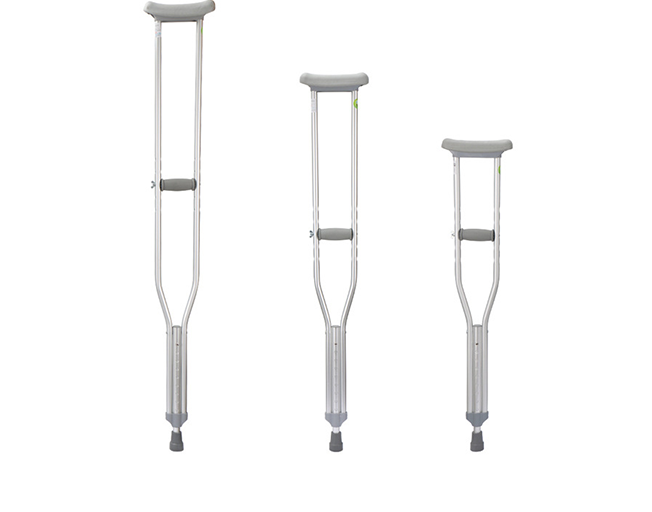
Xunyu แพทย์ จัดจำหน่ายผลิตภัณฑ์เพื่อการเคลื่อนไหวและดูแลผู้สูงอายุ สำหรับการฟื้นฟู การขนส่ง และการสนับสนุนในชีวิตประจำวัน อะลูมิเนียม ไม้ค้ำยันทางการแพทย์ใต้วงแขน XY-925 ผลิตจากอลูมิเนียมอัลลอยสีเงินด้าน อุปกรณ์เสริมสีเงิน แผ่นยางกันลื่น และมีให้เลือกความหนาท่อ 3 ระดับ คือ 1.0 มม. 1.1 มม. และ 1.2 มม.
ส่วนปลายเท้าสามารถปรับได้ 9 ระดับ ขณะที่ส่วนจับสามารถปรับได้ 5 ระดับ มีให้เลือก 3 ขนาด คือ เล็ก กลาง และใหญ่ ครอบคลุมช่วงความสูง 945–1143 มม., 1145–1348 มม. และ 1345–1548 มม. ตามลำดับ การกำหนดค่านี้ช่วยให้ทีมจัดซื้อสามารถวางแผนสินค้าคงคลังโดยคำนึงถึงกลุ่มความสูงของผู้ใช้หลายกลุ่ม แทนที่จะพึ่งพาขนาดมาตรฐานเพียงขนาดเดียว สำหรับช่องทางการจำหน่ายไม้ค้ำยันที่ดีที่สุดสำหรับการผ่าตัด ACL คุณค่าอยู่ที่ความยืดหยุ่นในการปรับให้เข้ากับผู้ใช้งานและการพกพาที่กะทัดรัด ขณะที่การใช้งานขั้นสุดท้ายยังคงสอดคล้องกับคำแนะนำการฟื้นฟูจากผู้เชี่ยวชาญ
เมื่อใดที่รถเข็นช่วยเดินสำหรับเข่าจึงเหมาะสมกับการเดินทางมากกว่ากัน?
รถเข็นช่วยเดินแบบใช้ที่เข่าจะมีประสิทธิภาพเมื่อผู้ใช้จำเป็นต้องยกเท้าหรือขาช่วงล่างให้พ้นจากพื้น และสามารถรับน้ำหนักที่ขาในท่าโค้งงอได้อย่างปลอดภัย อาจเหมาะสำหรับเส้นทางที่ปูด้วยพื้นเรียบซึ่งการกระโดดซ้ำๆ จะทำให้เหนื่อย ผู้ซื้อยังคงต้องประเมินความกว้างของโครง การเลี้ยว การประกอบ และการจัดเก็บก่อนนำไปใช้ในโปรแกรมการช่วยเดินระยะสั้น
อุปกรณ์รองรับขาที่บุด้วยวัสดุนุ่มสามารถลดการยกของซ้ำๆ ได้
โดยวางขาข้างที่ได้รับผลกระทบไว้บนแผ่นรองเข่า ผู้ใช้จะใช้ขาข้างที่ไม่ได้รับผลกระทบในการผลักดันตัวเองแทนการยกตัวขึ้นในแต่ละก้าวของการใช้ไม้ค้ำยัน สำหรับผู้ใช้ที่เหมาะสม วิธีนี้อาจช่วยลดภาระของไหล่และใต้วงแขน และทำให้การเคลื่อนที่บนพื้นราบมีความต่อเนื่องมากขึ้น
วิธีการพยุงเข่ามีข้อจำกัดที่ชัดเจน การงอเข่า ความสามารถในการรับแรงกด และการควบคุมขาข้างที่ยืนอยู่เป็นสิ่งสำคัญ ในการเปรียบเทียบระหว่างรถเข็นพยุงเข่ากับไม้ค้ำยัน ทีมจัดซื้อควรตรวจสอบว่าบริเวณที่บาดเจ็บสามารถวางบนแผ่นรองได้หรือไม่ และผู้ใช้สามารถขึ้นลง บังคับทิศทาง เบรก และลงจากรถเข็นได้อย่างปลอดภัยหรือไม่
การควบคุมล้อขึ้นอยู่กับคุณภาพของพื้นผิวและพื้นที่ว่าง
รถเข็นช่วยเดินแบบใช้เข่าเหมาะกับเส้นทางแห้งและเรียบพอสมควรที่มีความกว้างเพียงพอสำหรับการบังคับทิศทางและการเลี้ยว รอยต่อของพื้นผิวถนน ทางลาดแคบๆ หินหลวมๆ ขอบทาง และทางลาดชันอาจขัดขวางการเคลื่อนที่ของล้อ ผู้ใช้อาจต้องการพื้นที่เพิ่มเติมเมื่อเข้าใกล้ประตูหรือเปลี่ยนตำแหน่งข้างรถยนต์
อุปกรณ์ช่วยเดินสำหรับผู้พิการมีหลายโครงสร้าง แต่ควรระบุรถเข็นช่วยเดินแบบใช้เข่าตามวิธีการรองรับส่วนล่างของร่างกายโดยเฉพาะ ซึ่งไม่เหมือนกับรถเข็นช่วยเดินทั่วไป รถเข็นช่วยเดินแบบนั่ง หรือโครงช่วยเคลื่อนที่อเนกประสงค์ การตั้งชื่อที่ชัดเจนจะช่วยให้ผู้จัดจำหน่ายกำหนดข้อจำกัดของเส้นทางและหลีกเลี่ยงการแนะนำที่ไม่เหมาะสมได้
อุปกรณ์ช่วยเดินสำหรับเข่า รุ่น 602 รองรับการเดินป่ากลางแจ้งอย่างถูกวิธี
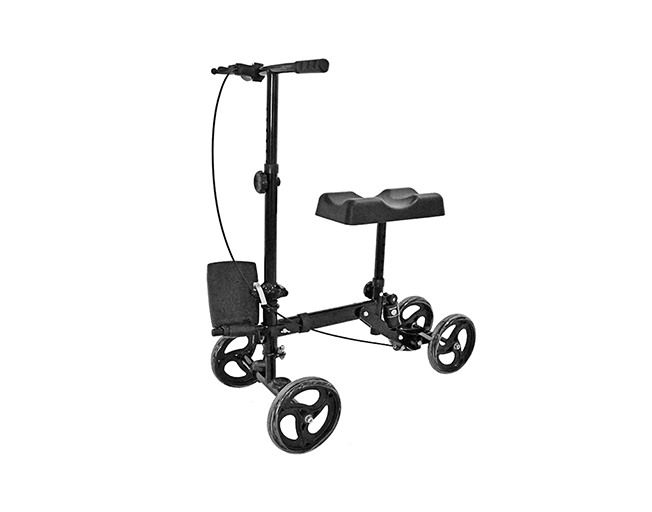
ที่ เข่า Rollator-602 ผลิตจากอลูมิเนียมอัลลอยหนา 1.2 มม. เคลือบสีเงินด้าน สามารถปรับความสูงได้ 8 ระดับ พับเก็บได้ รับน้ำหนักได้ 100 กก. และเมื่อกางออกจะมีขนาด ยาว 53 × กว้าง 46 × สูง 75 ซม. ชุดอุปกรณ์ประกอบด้วย โครงหลัก ล้อหน้าสองล้อ สกรู สกรูหัวดาว และแผ่นรองเข่า
สำหรับโปรแกรมการจัดจำหน่ายและการให้เช่า การประกอบที่ถูกต้องเป็นส่วนหนึ่งของการเตรียมความพร้อมของผลิตภัณฑ์ โครงล้อหลัง เสาหัวรถจักร ล้อหน้า แฮนด์ และแผ่นรองเข่าต้องยึดให้แน่นก่อนใช้งาน ควรตรวจสอบตัวยึดว่าหลวม สึกหรอ หรือเสียหายหรือไม่ สามารถทำความสะอาดภายนอกด้วยผ้าชุบน้ำหมาดๆ แต่ควรหลีกเลี่ยงน้ำยาทำความสะอาดที่มีฤทธิ์กัดกร่อนและสารเคมีที่มีฤทธิ์กัดกร่อน
ผู้ซื้อจะสร้างระยะทางการเดินทางระยะสั้นที่มีประโยชน์มากขึ้นได้อย่างไร?
ผลิตภัณฑ์ที่เหมาะสมนั้นไม่จำเป็นต้องมีอุปกรณ์เพียงชิ้นเดียวที่ชนะทุกการเปรียบเทียบ แต่ต้องมีการแบ่งแยกอย่างชัดเจนระหว่างอุปกรณ์ช่วยพยุงขาแบบพับได้ขนาดกะทัดรัดกับอุปกรณ์ช่วยพยุงขาแบบมีล้อ ผู้ซื้อสามารถจัดการผลิตภัณฑ์ได้ง่ายขึ้นโดยการเชื่อมโยงแต่ละผลิตภัณฑ์เข้ากับโปรไฟล์ผู้ใช้ สภาพเส้นทาง กระบวนการติดตั้ง และบริการหลังการขายที่กำหนดไว้
สร้างข้อเสนออุปกรณ์ช่วยพยุงโดยคำนึงถึงความเหมาะสมและการเข้าถึงเป็นหลัก
ผลิตภัณฑ์ไม้ค้ำยันควรครอบคลุมกลุ่มความสูงที่พบได้บ่อยที่สุดในกลุ่มเป้าหมาย และควรมีวิธีการตรวจสอบที่ง่ายสำหรับการตรวจสอบระยะห่างใต้วงแขน ตำแหน่งการจับ ความสูงที่เท่ากัน จุดล็อค และสภาพของปลายยาง ควรพิจารณาจัดหาปลายสำรองและคำแนะนำในการติดตั้งไว้ในแผนการจัดหาด้วย
ไม้ค้ำยันมักเป็นตัวเลือกที่เหมาะสมกว่าในกรณีที่เส้นทางมีทางเข้าแคบ การขึ้นลงรถ บันไดที่ต้องควบคุม หรือการเปลี่ยนตำแหน่งบ่อยครั้ง นอกจากนี้ ไม้ค้ำยันสำหรับผู้พิการยังต้องการการแบ่งประเภทที่ชัดเจนยิ่งขึ้นตามระยะการฟื้นตัว การควบคุมส่วนบนของร่างกาย และสภาพการเดินทาง มากกว่าการกำหนดคุณสมบัติแบบเดียวที่ใช้ได้กับทุกกรณี
วางอุปกรณ์ช่วยเดินสำหรับเข่าไว้บริเวณจุดควบคุมเส้นทาง
รถเข็นช่วยเดินสำหรับผู้ที่มีปัญหาที่เข่า ควรสงวนไว้สำหรับผู้ใช้ที่สามารถรับการพยุงขาในท่าที่งอได้ และสามารถควบคุมโครงล้อบนพื้นราบที่คาดเดาได้ ข้อมูลผลิตภัณฑ์ควรระบุขนาดเมื่อกางออก ความสามารถในการรับน้ำหนัก การปรับความสูง วิธีการพับ การตรวจสอบการประกอบ และขั้นตอนการบำรุงรักษา
อุปกรณ์ประเภทนี้สามารถใช้เสริมกับไม้ค้ำยันได้ เหมาะสำหรับกรณีการฟื้นฟูเท้า ข้อเท้า และขาช่วงล่าง โดยเฉพาะอย่างยิ่งในกรณีที่เส้นทางส่วนใหญ่เป็นทางลาดยาง ทางเข้ากว้าง และมีขอบทางเท้าไม่มาก ควรแยกประเภทอุปกรณ์ช่วยเดินสำหรับผู้พิการตามโครงสร้างและวิธีการช่วยพยุง เพื่อไม่ให้เจ้าหน้าที่ใช้เครื่องช่วยเดินแบบมีล้อทุกประเภทแทนกันได้
กำหนดขอบเขตการแนะนำสินค้าที่ชัดเจนให้กับทีมขาย
บุคลากรทางการแพทย์จำเป็นต้องมีคำอธิบายที่กระชับและชัดเจนที่สามารถนำไปใช้ได้โดยไม่ต้องอ้างอิงทางการแพทย์ ไม้ค้ำยันเหมาะสำหรับผู้ใช้ที่สามารถประสานการทรงตัวส่วนบนของร่างกายได้ และต้องการเข้าถึงพื้นที่ที่มีลักษณะภูมิประเทศหลากหลายได้อย่างสะดวก ส่วนรถเข็นช่วยเดินสำหรับเข่าเหมาะสำหรับผู้ใช้บางกลุ่มที่สามารถวางขาบนแผ่นรอง ทรงตัวบนขาข้างที่ยืนอยู่ และควบคุมล้อบนทางราบได้ การใช้งานขั้นสุดท้ายควรสอดคล้องกับคำแนะนำในการฟื้นฟูจากผู้เชี่ยวชาญ
ทีมจัดซื้อที่ต้องการประเมินตัวเลือกแบบมีล้ออย่างละเอียดมากขึ้น สามารถตรวจสอบข้อมูลเพิ่มเติมได้จากเอกสารนี้ การเลือกใช้รถเข็นช่วยเดินสำหรับเข่าเพื่อการฟื้นฟูสมรรถภาพ, รวมถึงความเหมาะสมของผู้ใช้งาน สภาพเส้นทาง การปรับแต่ง การตรวจสอบ และการบำรุงรักษา
ขอบเขตนี้ช่วยให้ผู้ซื้อรักษาความสอดคล้องของผลิตภัณฑ์ ลดการทดแทนที่ไม่เหมาะสม และทำให้การเสนอราคาแม่นยำยิ่งขึ้น ทีมจัดซื้อสามารถเปรียบเทียบทั้งสองหมวดหมู่ได้ ขอแผนจัดหาอุปกรณ์กู้ภัยสำหรับเที่ยวบินระยะสั้น โดยพิจารณาจากกลุ่มผู้ใช้เป้าหมาย สภาพเส้นทาง ขนาดที่ต้องการ และปริมาณการสั่งซื้อที่คาดการณ์ไว้


