

ไม้ค้ำยันสำหรับผู้พิการ: ปัจจัยในการจัดซื้อสำหรับผู้ซื้ออุปกรณ์ทางการแพทย์
เวลา: 18 มิถุนายน 2569 ผู้เข้าชม : 924
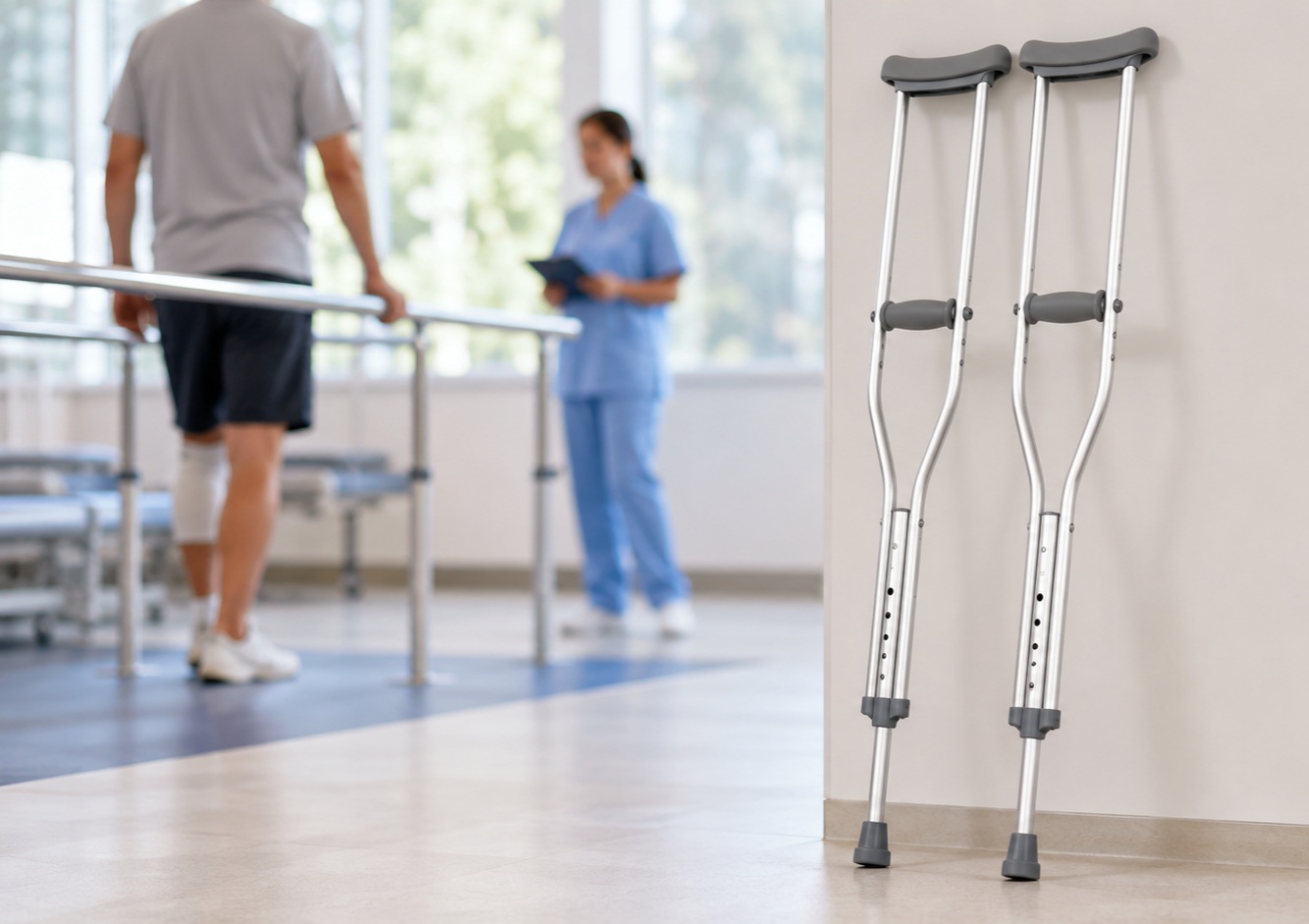
สำหรับผู้ซื้ออุปกรณ์ทางการแพทย์ แท่ง ผลิตภัณฑ์เหล่านี้เป็นส่วนหนึ่งของกลุ่มอุปกรณ์ช่วยการเคลื่อนไหวที่ใช้กันอย่างแพร่หลายในโรงพยาบาล ศูนย์ฟื้นฟูสมรรถภาพ ร้านขายยา ร้านจำหน่ายสินค้าสำหรับผู้สูงอายุ และผู้จัดจำหน่ายในระดับภูมิภาค ดังนั้นการตัดสินใจซื้อจึงไม่ควรหยุดอยู่ที่ราคาเพียงอย่างเดียว คำถามที่แท้จริงคือ ผลิตภัณฑ์นั้นสามารถคงคุณภาพไว้ได้สม่ำเสมอแม้สั่งซื้อในปริมาณมาก รองรับผู้ใช้งานที่แตกต่างกัน และลดข้อร้องเรียนหลังการส่งมอบได้หรือไม่
เหตุใดไม้ค้ำยันจึงยังคงมีความสำคัญในการจัดซื้ออุปกรณ์ช่วยเหลือการเคลื่อนที่
ไม้ค้ำยันเป็นสินค้าพื้นฐาน โรงพยาบาลอาจต้องการใช้สำหรับการพักฟื้นระยะสั้น ผู้จัดจำหน่ายอาจเก็บไว้เป็นสินค้าคงคลังประจำวัน โครงการฟื้นฟูอาจซื้อไม้ค้ำยันพร้อมกับอุปกรณ์ช่วยเดิน รถเข็น และอุปกรณ์เพื่อความปลอดภัยในห้องน้ำ ผู้ซื้อต้องการการสนับสนุนที่มั่นคง ข้อมูลจำเพาะที่ชัดเจน และการจัดหาที่สม่ำเสมอ
สำหรับผู้ซื้อแล้ว คุณค่าของไม้ค้ำยันไม่ได้อยู่ที่ราคาต่อหน่วยเพียงอย่างเดียว ผลิตภัณฑ์ไม้ค้ำยันที่น่าเชื่อถือควรให้การรองรับที่มั่นคง มีตัวเลือกขนาดที่ชัดเจน ปรับความสูงได้ง่าย ปลายยางทนทาน และมีคุณภาพสม่ำเสมอในการสั่งซื้อซ้ำ หากโครงสร้างหลวม ด้ามจับไม่สบาย หรือแผ่นยางสึกหรอเร็วเกินไป แม้แต่ผลิตภัณฑ์ราคาถูกก็อาจก่อให้เกิดข้อร้องเรียนและแรงกดดันหลังการขายได้
ด้วยเหตุนี้ ไม้ค้ำยันสำหรับผู้พิการจึงควรได้รับการพิจารณาเสมือนเป็นสินค้ามาตรฐานประเภทหนึ่ง แต่ต้องคัดสรรอย่างพิถีพิถัน แม้จะมีรูปลักษณ์เรียบง่าย แต่ก็ส่งผลโดยตรงต่อความปลอดภัยของผู้ใช้ ชื่อเสียงของผู้จัดจำหน่าย และความเชื่อมั่นในการซื้อในระยะยาว
ประเภทหลักของไม้ค้ำยันสำหรับผู้พิการ
ใต้แขน Crutches
ไม้ค้ำยันใต้รักแร้ยังคงเป็นที่นิยมใช้กันทั่วไปสำหรับการออกจากโรงพยาบาล การพักฟื้นระยะสั้น และเป็นสินค้ามาตรฐานที่จัดจำหน่าย ผู้ใช้คุ้นเคยกับสินค้าประเภทนี้ อธิบายได้ง่าย และโดยทั่วไปแล้วเป็นที่ยอมรับในช่องทางการจัดจำหน่ายที่คำนึงถึงราคาเป็นหลัก
สำหรับผู้ซื้อแบบ B2B สิ่งสำคัญไม่ได้อยู่ที่ว่าแผ่นรองด้านบนจะนุ่มหรือไม่เท่านั้น แต่ต้องตรวจสอบโครงสร้างโดยรวมด้วย ส่วนรองรับใต้วงแขนไม่ควรเลื่อนไปมาเมื่อถูกกด ที่จับมือควรล็อคแน่น รูปรับความสูงควรตรงกันอย่างเรียบร้อย หากผู้ใช้ต้องปรับแต่งผลิตภัณฑ์อยู่เรื่อยๆ เพราะการตั้งค่าครั้งแรกไม่ถูกใจ ช่องทางการจำหน่ายก็จะได้รับทราบเรื่องนี้อย่างรวดเร็ว
บริษัท ซุนหยู เมดิคอล ไม้ค้ำยันทางการแพทย์อลูมิเนียม XY-925 สำหรับใช้ใต้วงแขน เหมาะสมกับทิศทางการจัดซื้อกระแสหลักนี้ ใช้โครงสร้างอลูมิเนียมอัลลอยสีเงินด้าน ปรับระดับท่อขาได้ 9 ระดับ ปรับระดับการยึดจับได้ 5 ระดับ มีแผ่นยางกันลื่น และมีให้เลือก 3 ขนาด ความหนาของท่อ 1.0 มม. 1.1 มม. และ 1.2 มม. ยังช่วยให้ผู้ซื้อมีตัวเลือกมากขึ้นเพื่อตอบสนองความต้องการของตลาดที่แตกต่างกัน
ไม้ค้ำยันสำหรับแขนท่อนล่างและไม้ค้ำยันใช้งานพิเศษ
ไม้ค้ำยันแบบใช้แขนท่อนล่างมักถูกใช้ในช่องทางการจำหน่ายสินค้าสำหรับผู้ใช้งานระยะยาว ร้านจำหน่ายอุปกรณ์ฟื้นฟู หรือผู้ซื้อที่มองหาผลิตภัณฑ์ที่มีขนาดกะทัดรัด ไม้ค้ำยันแบบนี้ต้องใช้การควบคุมแขนมากกว่าไม้ค้ำยันแบบใช้ใต้รักแร้ แต่ก็อาจเคลื่อนไหวได้ง่ายกว่าในชีวิตประจำวัน และยังเข้ากันได้ดีกับไม้เท้าและอุปกรณ์ช่วยในการเคลื่อนที่อื่นๆ ด้วย
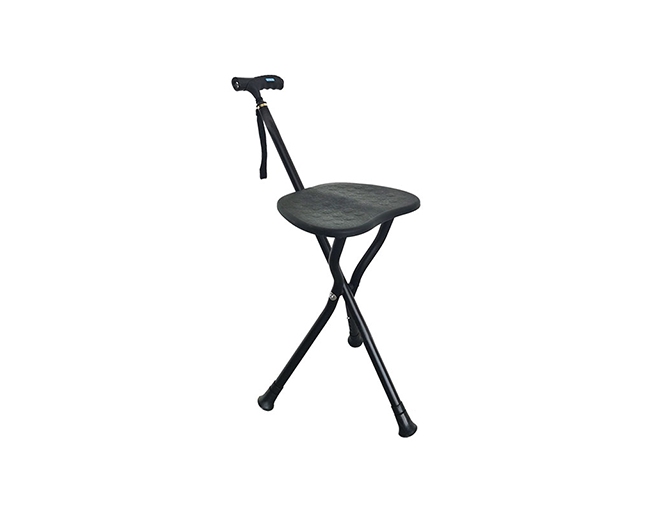
ไม้ค้ำยันที่นั่ง และรุ่นใช้งานเฉพาะทางอื่นๆ นั้นมีความเฉพาะเจาะจงมากกว่า อาจเหมาะสำหรับโครงการดูแลผู้สูงอายุหรือโครงการฟื้นฟู แต่ผู้ซื้อควรตรวจสอบการประกอบ คู่มือการใช้งาน ชิ้นส่วนอะไหล่ และการป้องกันกล่องบรรจุภัณฑ์อย่างละเอียดถี่ถ้วนยิ่งขึ้นสำหรับรุ่นเหล่านี้
ผู้ซื้อควรตรวจสอบข้อมูลจำเพาะของผลิตภัณฑ์
วัสดุ ความหนาของท่อ และสัมผัสของเฟรม
โลหะผสมอะลูมิเนียมนั้นใช้งานได้จริงสำหรับไม้ค้ำยันหลายประเภท เพราะช่วยควบคุมน้ำหนักได้ดีในขณะที่ยังคงให้การรองรับในชีวิตประจำวัน อย่างไรก็ตาม “อะลูมิเนียม” เพียงอย่างเดียวนั้นไม่เพียงพอ ผู้ซื้อควรสอบถามเกี่ยวกับความหนาของท่อ การเคลือบผิว ความสามารถในการรับน้ำหนัก และว่าวัสดุที่ใช้จะเป็นชนิดเดียวกันตลอดทั้งคำสั่งซื้อหรือไม่
ในวิดีโอตัวอย่าง ท่อขนาดเล็กอาจดูใช้ได้ แต่เมื่อสั่งซื้อจำนวนมาก ปัญหาต่างๆ ก็จะปรากฏให้เห็นชัดเจนขึ้น การงอเล็กน้อย ข้อต่อที่ส่งเสียงดัง รูที่ไม่เรียบ หรือรอยขีดข่วนบนพื้นผิว ล้วนเป็นสิ่งที่เห็นได้ชัดเจนเมื่อกล่องสินค้ามาถึงคลังสินค้า
ช่วงการปรับความสูง
การปรับความสูงเป็นสิ่งแรกๆ ที่ควรตรวจสอบ ไม้ค้ำยันที่สูงเกินไปอาจทำให้เกิดแรงกดบริเวณใต้วงแขน ส่วนไม้ค้ำยันที่ต่ำเกินไปอาจทำให้ผู้ใช้ต้องก้มตัวไปข้างหน้า สำหรับทีมจัดซื้อแล้ว นั่นหมายความว่าต้องทราบช่วงขนาดที่ชัดเจนก่อนสั่งซื้อ
เครื่อง XY-925 มีให้เลือกสามขนาด คือ เล็ก กลาง และใหญ่ โดยระบุช่วงความสูงสำหรับแต่ละขนาดไว้ด้วย ซึ่งช่วยให้ผู้จัดจำหน่ายตัดสินใจได้ว่าจะซื้อขนาดคละแบบหรือเริ่มจากขนาดที่นิยมใช้มากที่สุดก่อน
แผ่นรอง, ที่จับ และปลายยาง
แผ่นรองใต้วงแขน ที่จับ และปลายนิ้ว เป็นชิ้นส่วนเล็กๆ แต่ผู้ใช้มักสังเกตเห็นก่อน แผ่นรองใต้วงแขนที่แข็งเกินไปอาจทำให้เกิดข้อร้องเรียน ที่จับที่หลวมทำให้รู้สึกไม่ปลอดภัยแม้ว่าโครงสร้างจะแข็งแรง และปลายนิ้วยางที่สึกหรอเร็วจะทำให้ผู้จัดจำหน่ายต้องเสียค่าใช้จ่ายในการบำรุงรักษา
แผ่นยางกันลื่นเป็นสิ่งที่ควรกล่าวถึง เพราะการสัมผัสกับพื้นเป็นจุดคุณภาพที่เรียบง่ายแต่สำคัญมาก ฐานของผลิตภัณฑ์ Xunyu Medical รุ่น XY-911 มีแผ่นยางสีดำแบบรังผึ้งที่ยึดเกาะได้ดีบนกระเบื้องและทางเท้า นอกจากนี้ ผู้ซื้อควรสอบถามด้วยว่ามีชิ้นส่วนยางอื่นๆ เช่น ปลายยาง ที่จับ และแผ่นรอง สามารถจัดหาเป็นอะไหล่ได้หรือไม่
ปัจจัยการจัดซื้อจำนวนมาก
การวางแผน SKU สำหรับช่องทางการขายต่างๆ
ผู้ซื้อที่ให้บริการโรงพยาบาลอาจไม่ต้องการสีมากมายนัก ผู้จัดจำหน่ายยาอาจให้ความสำคัญกับบรรจุภัณฑ์และการจัดวางบนชั้นวางมากกว่า โครงการของภาครัฐหรือองค์กรพัฒนาเอกชนอาจเน้นที่ขนาดที่ครอบคลุมและระยะเวลานำส่งที่คงที่
อุปกรณ์ที่ใช้งานได้จริงอาจรวมถึงไม้ค้ำยันใต้รักแร้สำหรับการฟื้นฟูร่างกายทั่วไป ไม้ค้ำยันปลายแขนสำหรับการช่วยพยุงการเคลื่อนไหวในระยะยาว และรุ่นพิเศษบางรุ่นสำหรับดูแลผู้สูงอายุหรือโครงการฟื้นฟูสมรรถภาพ เมื่อผู้จำหน่ายมีอุปกรณ์ช่วยเดิน รถเข็น เก้าอี้อาบน้ำ และที่วางแขนสำหรับโถสุขภัณฑ์ด้วย ก็จะทำให้การจัดส่งสินค้ารวมกันและการจัดซื้อตามหมวดหมู่ทำได้ง่ายขึ้น
ความเสี่ยงด้านบรรจุภัณฑ์ การติดฉลาก และการขนส่ง
ไม้ค้ำยันเป็นผลิตภัณฑ์ที่มีลักษณะยาวและเทอะทะ กล่องบรรจุภัณฑ์ที่อ่อนแอจะเสียหายได้ง่าย ผู้ซื้อควรตรวจสอบขนาดกล่อง การป้องกันภายใน การติดฉลาก บาร์โค้ด และพิจารณาว่าบรรจุภัณฑ์นั้นเหมาะสมกับการขายปลีกหรือการจัดส่งแบบจำนวนมาก
ป้ายกำกับที่ชัดเจนช่วยให้พนักงานแยกขนาดได้อย่างรวดเร็ว คำแนะนำที่เข้าใจง่ายช่วยลดการใช้งานผิดวิธี รายละเอียดเหล่านี้ช่วยประหยัดเวลาเมื่อมีสินค้าจำนวนมากหลายสิบหรือหลายร้อยชิ้นมาส่งพร้อมกัน
ปริมาณสั่งซื้อขั้นต่ำ การปรับแต่ง และการยืนยันตัวอย่าง
ควรพิจารณาปริมาณสั่งซื้อขั้นต่ำ (MOQ) โดยคำนึงถึงรุ่น สี บรรจุภัณฑ์ และระดับการปรับแต่ง โดยปกติแล้วสินค้ามาตรฐานจะมีราคาเริ่มต้นที่ต่ำกว่าสินค้าที่ผลิตภายใต้แบรนด์ของตนเองซึ่งมีโลโก้ กล่องบรรจุภัณฑ์แบบกำหนดเอง หรือคำแนะนำเฉพาะสำหรับตลาดนั้นๆ ก่อนยืนยันการสั่งซื้อจำนวนมาก ควรขอตัวอย่างสินค้าที่มีความหนา ขนาด รูปแบบแผ่นรอง และบรรจุภัณฑ์ที่ตรงกับความต้องการซื้อจริง
วิธีการประเมินผู้จำหน่ายไม้ค้ำยันทางการแพทย์
ความสม่ำเสมอในการผลิต
คุณค่าที่แท้จริงของซัพพลายเออร์จะปรากฏให้เห็นได้จากการผลิตซ้ำอย่างสม่ำเสมอ ตรวจสอบว่าระยะห่างของรู การล็อคด้วยปุ่มกด ตำแหน่งการจับ การพอดีของปลายยาง และผิวสำเร็จของพื้นผิวมีความสม่ำเสมอหรือไม่ นอกจากนี้ควรสอบถามด้วยว่าซัพพลายเออร์ตรวจสอบชิ้นส่วนที่เข้ามาและผลิตภัณฑ์สำเร็จรูปก่อนการบรรจุอย่างไร
Xunyu แพทย์ จุดเด่นคือโรงงานขนาด 4,000 ตารางเมตรและระบบควบคุมการผลิตอุปกรณ์ช่วยเหลือ ซึ่งมีความสำคัญสำหรับผู้ซื้อที่ต้องการมากกว่าแค่แคตตาล็อกสินค้า โรงงานที่มีสายการผลิตอุปกรณ์ช่วยเหลือการเคลื่อนไหวที่หลากหลายมักจะสามารถรองรับคำสั่งซื้อแบบผสมผสานและวางแผนผลิตภัณฑ์ระยะยาวได้
การสนับสนุน OEM และโครงการ
สำหรับแบรนด์และผู้จัดจำหน่าย การสนับสนุน OEM ไม่ได้หมายถึงแค่การพิมพ์โลโก้เท่านั้น แต่ยังอาจรวมถึงการเลือกสี การออกแบบกล่อง คู่มือผู้ใช้ ฉลากบาร์โค้ด ภาษาที่ใช้ในการตลาด ชิ้นส่วนอะไหล่ และการจับคู่ผลิตภัณฑ์กับอุปกรณ์ช่วยเหลือต่างๆ ด้วย
ในโครงการส่งเสริมการเคลื่อนไหวที่ไร้กังวลอย่างแท้จริง ผู้ใช้จะไม่ได้รับเพียงผลิตภัณฑ์เดียว พวกเขาอาจต้องการไม้ค้ำยัน อุปกรณ์ช่วยเดิน เก้าอี้อาบน้ำ หรือรถเข็นวีลแชร์ในแต่ละช่วงเวลา ผู้ซื้อที่วางแผนโดยคำนึงถึงการเดินทางนั้นจะสามารถสร้างกลุ่มผลิตภัณฑ์ที่ครอบคลุมมากขึ้นได้
คำถามที่พบบ่อย
คำถามที่ 1: ผู้ซื้อควรตรวจสอบอะไรบ้างก่อนซื้อไม้ค้ำยันจำนวนมาก?
A1: ผู้ซื้อควรตรวจสอบประเภทผลิตภัณฑ์ ช่วงขนาด ความหนาของท่อ ความสามารถในการรับน้ำหนัก ระดับการปรับ วัสดุแผ่นรอง คุณภาพปลายยาง วิธีการบรรจุ และการจัดหาอะไหล่ สำหรับคำสั่งซื้อแบบผสมจากโรงพยาบาลหรือผู้จัดจำหน่าย ควรตรวจสอบเพิ่มเติมว่าสามารถจัดส่งขนาดเล็ก กลาง และใหญ่พร้อมกันได้หรือไม่
คำถามที่ 2: สามารถปรับแต่งไม้ค้ำยันให้เหมาะกับแบรนด์หรือผู้จัดจำหน่ายอุปกรณ์ทางการแพทย์ได้หรือไม่?
A2: ใช่ค่ะ การปรับแต่งอาจรวมถึงโลโก้ สี การออกแบบกล่อง ฉลาก คู่มือการใช้งาน และบางครั้งอาจรวมถึงการกำหนดค่าผลิตภัณฑ์ด้วย ปริมาณการสั่งซื้อขั้นต่ำอาจเปลี่ยนแปลงไปขึ้นอยู่กับว่าผู้ซื้อเลือกแบบมาตรฐานหรือแบบติดฉลากส่วนตัว ตัวอย่างจะต้องได้รับการอนุมัติก่อนการผลิตจำนวนมาก
คำถามที่ 3: การติดตั้งหรือบำรุงรักษาไม้ค้ำยันหลังการใช้งานนั้นยากหรือไม่?
A3: ไม้ค้ำยันมาตรฐานส่วนใหญ่ประกอบง่าย แต่ผู้ซื้อควรให้คำแนะนำที่ชัดเจนเกี่ยวกับการปรับความสูงและการใช้งานอย่างปลอดภัย การบำรุงรักษาหลักๆ เกี่ยวข้องกับการตรวจสอบปลายยาง แผ่นรอง ที่จับ ปุ่มกด และสกรู สำหรับผู้จัดจำหน่าย การมีปลายยางและแผ่นรองสำรองจะช่วยลดภาระงานหลังการขายได้


