

ล้อด้านหน้าของเก้าอี้ล้ออิทธิพลต่อการเคลื่อนไหวเก้าอี้ด้วยมือวิธี
เวลา : 16 เมษายน 2026 ครั้งที่เข้าดู : 1,379
คนมักมองล้อด้านหน้าบนเก้าอี้รถเข็น แต่ส่วนเล็กเหล่านี้มีบทบาทใหญ่ในการเคลื่อนไหวของเก้าอี้ ขนาด วัสดุ และที่พวกเขานั่ง สามารถเปลี่ยนแปลงได้ง่ายแค่ไหน ที่จะเดินทางไปที่ที่แตกต่างกัน การรู้เกี่ยวกับพวกเขาช่วยให้ผู้ใช้รู้สึกสบายมากขึ้นและเคลื่อนที่ดีขึ้นทุกวัน
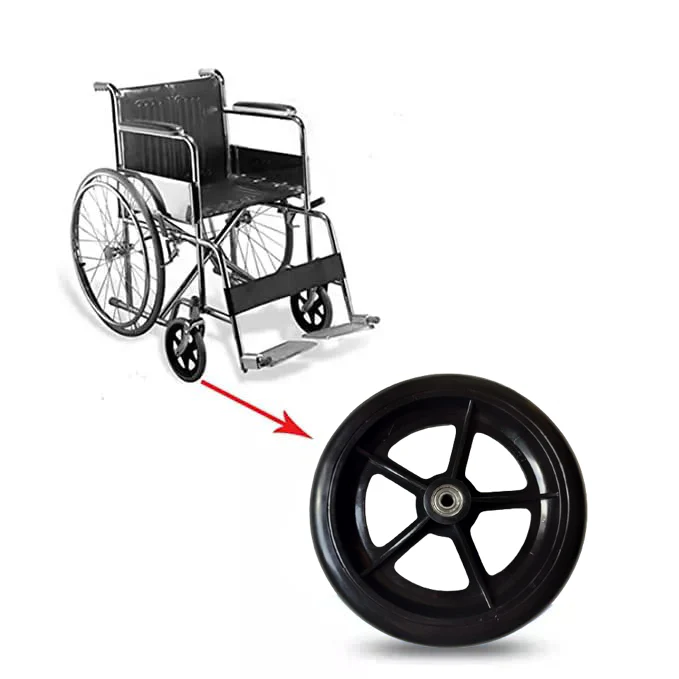
ล้อหน้ามีบทบาทอะไรในการเคลื่อนไหวของรถเข็น?
ล้อด้านหน้า ซึ่งคนเรียกว่า ล้อ ทํามากกว่าเพียงแค่ยืนเก้าอี้ พวกเขาทำหน้าที่เป็นจุดสำคัญในการหัน ล้อเหล่านี้ตัดสินใจว่าคุณสามารถเปลี่ยนทิศทางได้อย่างรวดเร็วแค่ไหน เดินหลังมุม และยังคงมั่นคง และการตั้งค่าของมันมีผลต่อวิธีการที่พลังผลัก คุณอาจเลื่อนผ่านทางเดินที่แข็งแรงภายในอาคาร หรือข้ามพื้นที่หยาบข้างนอก ล้อเลือกที่ดีที่สุดทําให้เก้าอี้รถเข็นรู้สึกเหมือนส่วนหนึ่งของร่างกายของคุณ
เก้าอี้รถเข็นทั่วไปมีชิ้นส่วนที่เชื่อมต่อหลายชิ้น รวมถึงกรอบด้านหน้า, กรอบด้านหลัง, กรอบ U, กรอบหลัง, กรอบแขน, เท้า, เบรก, ล้อด้านหน้า, ล้อด้านหลัง และแผ่ เพราะทุกอย่างทํางานร่วมกัน ล้อหน้าช่วยให้มีความสมดุลและการหมุนโดยตรง
ขนาดล้อหน้าส่งผลต่อการเคลื่อนไหวและความมั่นคง
ความกว้างของล้อเปลี่ยนแปลงวิธีการทำงานของเก้าอี้บนชั้นต่างๆ ล้อเล็ก ๆ มักจะกว้างประมาณ 6 ถึง 8 นิ้ว ทําให้คุณเลี้ยวอย่างคม พวกมันทำงานได้ดีภายในอาคาร ที่พื้นที่จํากัด และคุณสามารถหมุนได้อย่างรวดเร็วในพื้นที่เล็ก ๆ เช่น ลิฟท์ หรือเส้นทางสำนักงานแคบ อย่างไรก็ตาม บางครั้งล้อเล็กๆ นี้ติดอยู่บนจุดที่กระแทก หรือบิตที่หลวมบนพื้น
ล้อที่ใหญ่กว่าให้การสนับสนุนที่คงที่มากขึ้นและการนั่งกลางแจ้งที่ดีขึ้น พวกเขาดูดถึงกระแทก และม้วนง่ายบนหินหรือหญ้าเล็ก ๆ ใช้ เอกสาร XY-608J เก้าอี้รถเข็นแบบมือเป็นตัวอย่าง มันมาพร้อมกับล้อด้านหน้าแข็ง PVC มาตรฐาน 8 นิ้ว ที่มีฮับพลาสติกที่แข็งแกร่ง ซึ่งให้การควบคุมที่ดีภายในขณะที่จัดการกับการใช้งานกลางแจ้ง
การได้รับการผสมผสานที่เหมาะสมของขนาดและจุดสําหรับล้อลดความเมื่อยล้าเมื่อคุณดัน เมื่อตั้งอย่างถูกต้อง ล้อขนาดใหญ่ยังช่วยให้เก้าอี้มั่นคงในระหว่างการเริ่มต้นหรือหยุด นี่ช่วยให้คุณควบคุมทิศทางโดยไม่ต้องพยายามเพิ่มเติม
ทำไมวัสดุล่อสําคัญสําหรับประสิทธิภาพ
สิ่งที่ใช้ในการทําให้ล้อเปลี่ยนแปลงว่าพวกเขาจับดีแค่ไหน และความพยายามที่จะม้วน ประเภทยางอ่อนให้ความยึดแข็งแรงบนพื้นในร่มแบน อย่างไรก็ตาม มันสามารถสวมใส่ได้เร็วขึ้น ถ้าคุณนำมันออกไปบ่อยครั้ง โพลียูรีเทนหรือ PU ล้อเคลื่อนที่ด้วยความลากน้อยลง มันยาวนานบนพื้นผิวเรียบ
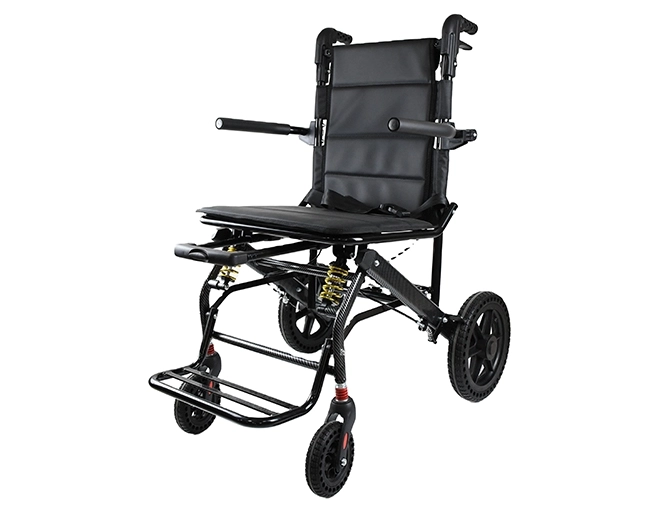
ดูที่ XY-A13-46 รูปแบบดูดซับแรงกระแทกใช้ล้อด้านหน้า PU 8 นิ้ว รูปร่างรังผึ้งเพิ่มความแข็งแรงและช่วยลดการกระแทก วัสดุเช่นนี้ยังคงสั่นออกจากแขนและไหล่ของคุณขณะที่คุณดัน นั่นหมายถึงความเหนื่อยล้าลงในร่างกายบนของคุณ
การเลือกยางอ่อนหรือ PU ขึ้นอยู่กับจุดหลักของคุณในการใช้งาน บางคนอยู่ในบ้าน คนอื่นๆ ออกไปบนพื้นที่ผสมมาก
ตำแหน่งลูกมีอิทธิพลต่อประสิทธิภาพการหมุนอย่างไร?
ที่ล้อนนั่งยังช่วยสร้างรูปร่างวิธีการเลื่อนที่รวดเร็วและง่าย ถ้ามันนั่งใกล้กับจุดสมดุลของร่างกายของคุณ เก้าอี้จะตอบสนองอย่างรวดเร็ว คุณจะได้รับการเคลื่อนไหวที่รวดเร็วขึ้น แต่ความเร็วนั้นสามารถทําให้เก้าอี้น้อยลง เมื่อไปตรงไป
การตั้งค่าที่ดีทําให้การเปลี่ยนปลอดภัยและราบรื่น มันไม่ใช่เพียงแค่เกี่ยวกับความสะดวกสบาย การออกแบบถูกสร้างขึ้นอย่างซับซ้อน เพื่อให้สอดคล้องกับวิธีที่ร่างกายของคุณเคลื่อนไหว เปลี่ยนความแข็งแรงของแขนเป็นการเปลี่ยนแปลงทิศทางที่
การวางไปข้างหน้าหรือข้างหลังเปลี่ยนแปลงความไดนามิกได้อย่างไร
เมื่อล้อติดตั้งออกจากกลางกรอบ พวกเขายืดฐานเล็กน้อย นี้กระจายน้ำหนักเท่าเทียมกันไปทุกล้อและเพิ่มความมั่นคง แต่มันต้องใช้แรงมากกว่าที่จะสวิงเก้าอี้รอบ ๆ เพราะฐานยาว
ในทางกลับกัน ล้อที่วางใกล้ใกล้กับศูนย์แรงโน้มถ่วง ทําให้มีการเปลี่ยนเบาและรวดเร็ว นี่เหมาะกับผู้ใช้ที่มักจะย้ายไปในจุดภายในขนาดเล็ก แม้แต่คุณต้องการการควบคุมอย่างระมัดระวัง เนื่องจากเก้าอี้อาจรู้สึกมั่นคงน้อยลงบนเนินเขาหรือลาน
ตัวอย่างเช่น สีดำ 8 นิ้ว ใช้พวงมาลัยหน้า PVC ชิ้นเดียว 6 ชิ้น นักออกแบบวางมันในสถานที่ที่ฉลาด เพื่อความเร็วที่สมดุล เก้าอี้เปลี่ยนทิศทางอย่างราบรื่นและยังคงอยู่บนเส้นทางเมื่อม้วนตรง
การเปลี่ยนตำแหน่งล้อปรับปรุงวิธีการทำงานของเก้าอี้ มันยังช่วยลดความเครียดบนไหล่ในระหว่างการเลื่อนซ้ำซ้ำ ผู้ใช้ประจำวันที่ผลักดันมากด้วยแขนของพวกเขาสังเกตเห็นความช่วยเหลือนี้ทันที
ความสมดุลความคล่องตัวและความปลอดภัยในการใช้งานประจำวัน
ความปลอดภัยไปพร้อมกับการเคลื่อนไหวอย่างรวดเร็วในการออกแบบเก้าอี้รถเข็นที่ดี การจัดเรียงขวาหยุดการเลี้ยวในระหว่างการเลี้ยวอย่างรวดเร็วหรือหยุดในฉับพลัน รูปร่างที่สมดุลให้การจัดการอย่างต่อเนื่องบนพรม, ถนนเส้นทาง, หรือพื้นผิวอื่น ๆ
เบรกหลักใช้อุปกรณ์เบรกข้อศอก หลังจากคุณหยุด เก้าอี้จะยังคงอยู่ นี่แสดงให้เห็นว่าชิ้นส่วนทั้งหมดทํางานร่วมกันเพื่อควบคุมและการป้องกัน คนงานที่มีทักษะมักจะปรับมุมล้อเพื่อให้บรรลุความสมดุลนี้ การเปลี่ยนแปลงเล็กน้อยสามารถทําให้การเดินทางทั้งหมดรู้สึกดีขึ้นมาก
คุณสามารถปรับปรุงการตั้งค่าล้อหน้าของเก้าอี้ล้อของคุณสำหรับการเคลื่อนที่ประจําวันได้อย่างไร
การปรับการตั้งค่าล้อทำมากกว่าการแก้ไขปัญหาทางกลไก มันยังสนับสนุนทางที่ดี และช่วยให้ข้อต่อสุขภาพดีในระยะยาว การตั้งค่าที่ไม่ดีอาจดึงไม่สม่ำเสมอ และทําให้เกิดความเครียดเพิ่มเติมบนไหล่หรือข้อมือ
ปัจจัยหลักเมื่อเลือกล้อหน้าตามความต้องการของคุณ
เริ่มต้นด้วยการคิดเกี่ยวกับสถานที่ปกติของคุณ:
-
สําหรับจุดภายใน เลือกล้อเล็ก ๆ ที่มีพื้นผิวนุ่มกว่า พวกเขาช่วยให้คุณเคลื่อนย้ายได้ง่ายในพื้นที่ที่แคบ
-
สําหรับพื้นที่กลางแจ้ง ล้อ PU ขนาดใหญ่จัดการจุดที่ไม่สม่ำเสมอดีขึ้น
-
สําหรับการผลักดันอย่างแข็งแกร่ง วัสดุเบา เช่น คาร์บอนไฟเบอร์ จะลดความพยายามในการเริ่มต้น
ให้แน่ใจว่าล้อเหมาะกับรูปร่างกรอบของเก้าอี้ของคุณ การแข่งขันที่ผิดสามารถย้ายจุดสมดุลในวิธีที่ไม่ดี
ประโยชน์ของบริการปรับมืออาชีพ
ผู้เชี่ยวชาญที่ปรับเก้าอี้รถเข็น จัดเรียงมุมล้อ กับวิธีที่คุณนั่งและวิธีที่คุณผลักดัน พวกเขาตรวจสอบทุกอย่างบ่อยครั้งเพื่อหยุดการสึกหรอก่อนบนแบริ่งหรือการสูญเสียยางที่ไม่สม่ำเสมอจากการจัดตำแหน่งที่ไม่
คนงานยังตั้งความแข็งแรงของส้อมล้อเพื่อให้ล้อเลื่อนตรงโดยไม่สั่น ซึ่งประหยัดพลังงานผลักดันในระยะไกลไกล การตรวจสอบทุกไม่กี่เดือนจะช่วยให้แบริ่งเรียบและไม่มีสกปรก ล้อสะอาดหยุดการสั่นสะเทือนเพิ่มเติม ที่อาจทำร้ายข้อต่อแขนในภายหลัง
คุณสามารถหาชิ้นส่วนเก้าอี้รถเข็นที่ออกแบบอย่างมืออาชีพได้ที่ไหน?
หากคุณต้องการเครื่องมือการเคลื่อนย้ายที่สร้างขึ้นด้วยความสมดุลระหว่างการเคลื่อนย้ายอย่างรวดเร็วและการใช้งานที่ปลอดภัย ดูที่ Xunyu Medical Foshan Xunyu Medical Technology Co., Ltd. ตั้งอยู่ในเมือง Danzao, เขต Nanhai, เมือง Foshan, จังหวัดกวางดง, มุ่งเน้นไปที่อุปกรณ์ที่มีประโยชน์ที่นําความสะดวกสบายและอิสระให้กับผู้ใหญ่ผ่
เก้าอี้รถเข็นมือของพวกเขามีระบบล้อปรับได้ที่ตรงกับการกระจายน้ำหนักและระดับการกิจกรรมของบุคคล ผู้ใช้สามารถปรับให้ละเอียดได้ตามชนิดของพื้นที่ที่พวกเขาข้าม กรอบยังคงเบา แต่แข็งแกร่ง เพราะพวกเขาใช้อลูมิเนียมหรือผสมคาร์บอนไฟเบอร์ ผลิตภัณฑ์ทุกสินค้าผ่านการทดสอบคุณภาพที่ยากลำบากเพื่อความน่าเชื่อถืออย่างยั่งยืน
บริษัทมีเป้าหมายที่ชัดเจน “ใช้เทคโนโลยีเพื่อให้ชีวิตผู้สูงอายุอบอุ่น และใช้งานฝีมือเพื่อปกป้องสุขภาพของพวกเขา” ความคิดนี้ผลักดันให้พวกเขาปรับปรุ พวกเขามีเก้าอี้พับขนาดกะทัดรัดสำหรับการเดินทาง รวมถึงรุ่นไฟฟ้าที่ก้าวหน้าพร้อมล้อ PU honeycomb ที่ดูดซับแรงกระแทก เช่นบน ขาว 12 นิ้ว.
การเลือกสินค้าจาก Xunyu Medical หมายถึงการเลือกการเคลื่อนไหวที่น่าเชื่อถือที่สร้างขึ้นอยู่กับความต้องการของมนุษย์ที่แท้จริงแทนการแก้ เก้าอี้เหล่านี้ช่วยให้คนมีความมั่นใจในการเลื่อนผ่านห้องพักในร่มและเส้นทางกลางแจ้งเดียวกัน
คำถามที่พบบ่อย
Q: ฉันควรตรวจสอบล้อด้านหน้าของเก้าอี้ล้อเพื่อบํารุงรักษาบ่อยเท่าไหร่?
ตอบ: ตรวจสอบพวกเขาครั้งต่อเดือนเพื่อค้นหาสัญญาณการสึกหรอเช่นพื้นที่แบนหรือแบริ่งที่หลวม และทำความสะอาดพวกเขาเป็นประจําเพื่อให้สิ่งสกปรกไม่ช้าลงการเลื่อน
Q: การเปลี่ยนขนาดล้อเพื่อปรับปรุงประสิทธิภาพของเก้าอี้รถเข็นของฉันในร่มได้หรือไม่?
ตอบ: ใช่ ล้อเล็ก ๆ ทําให้การเดินทางในพื้นที่ใกล้ชิดง่ายขึ้น แม้ว่าพวกเขาอาจรู้สึกสบายไม่ได้บนพื้นที่หยาบหยาบ ดังนั้นเลือกสิ่งที่ตรงกับจุดหลัก
Q: สัญญาณใดบ่งบอกว่าการจัดเรียงล้อของฉันต้องปรับ?
ตอบ: ถ้าเก้าอี้ดึงไปด้านหนึ่งเมื่อคุณผลักตรงหรือสั่นเกินไปมากในระหว่างการเลื่อน มันอาจต้องมีช่างเทคนิคที่ได้รับการฝึกอบรมเพื่อแก้ไขการติดตามและน


